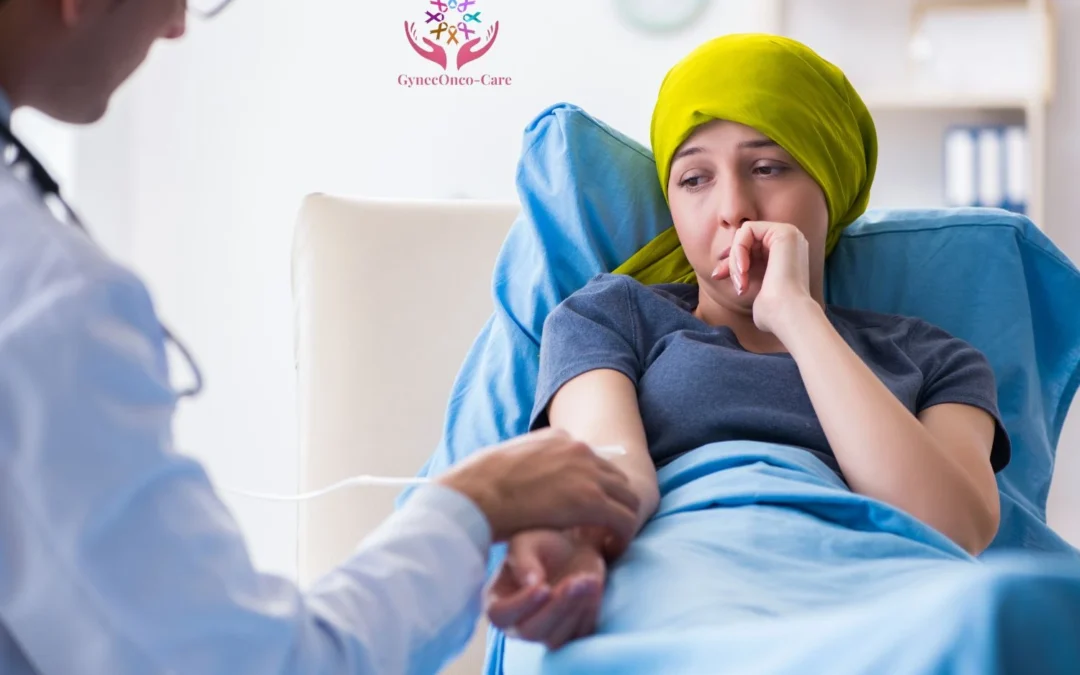
Because Your Health Deserves Time, Care, and Understanding 

Because Your Health Deserves Time, Care, and Understanding 

For most women, their health comes last. It’s simple to overlook the dull discomfort, the erratic cycle, or the unexpected fatigue that keeps returning because of job, family, and everyday routines. However, these are your body’s signals for attention, and paying attention to them now might help you save a lot of stress later. 

 There is more to see a reputable gynecologist in Indore than just receiving treatment. It’s about providing comfort, compassion, and a chance to finally discuss your worries without fear of rejection or condemnation. 

When Minor Symptoms Indicate More Serious Issues 

 Many women cope with their pain in silence because they believe it to be “normal.” However, a competent gynecologist is aware that minor symptoms might conceal more serious conditions like PCOS, thyroid imbalance, or hormonal fluctuations. It makes all the difference to consult early. 

 The best gynecologist in Indore helps you understand what’s going on and why, so you don’t have to speculate or worry alone about irregular periods, abrupt weight fluctuations, or mood swings. 

Personalized Care 

 As each woman’s body is different, so are her health requirements. Personalized treatment is important because of this. Before beginning any therapy, a sympathetic gynecologist hears your narrative, not just your symptoms. 

 What makes the experience reassuring is this: 

  •  A quiet, secluded setting where one can speak freely 
  •  Diagnosed with tact and deference 
  •  Sincere responses to delicate inquiries 
  •  Advice that fits your way of life 

 This method gives women a sense of security, understanding, and support. 

Being disease-free is only one aspect of good health; another is having self-confidence in your physical appearance. That may be achieved by open conversation with your doctor, early care, and routine visits. 

 Not only are you receiving treatment when you see the best gynecologist in Indore, but you are also establishing a lasting relationship for your well-being. Because every woman has the right to feel powerful, heard, and fully comfortable in her own skin. 

Managing Irregular Periods: When to Consult a Gynecologist

Managing Irregular Periods: When to Consult a Gynecologist

Menstruation is an important part of every woman’s health. While some changes in the menstrual cycle are normal, frequent irregularities can be worrying. Many women ignore these changes, assuming they are common or temporary. However, irregular periods may sometimes signal hormonal imbalances or health conditions that need medical care. Understanding the causes, symptoms, and when to consult a gynecologist is key to ensuring overall well-being. This blog by Dr. Renu Sharma, best gynecologist in Indore, talks about irregular periods, it’s causes, and effective treatents.

What Do We Mean by Irregular Periods?

A normal menstrual cycle usually lasts between 21 to 35 days. Bleeding typically continues for three to seven days. If your cycle comes earlier than 21 days, later than 35 days, or varies significantly from month to month, it is considered irregular. Missing periods, unusually heavy bleeding, spotting between cycles, or painful cramps may also fall into this category.

Common Causes of Irregular Periods

There are many factors that can disturb the natural rhythm of your cycle:

  • Hormonal Imbalances: The most common cause. Conditions like polycystic ovary syndrome (PCOS) or thyroid disorders affect the hormones that regulate menstruation.
  • Lifestyle Stressors: Stress, rapid weight loss or gain, poor diet, and lack of sleep often disturb cycles.
  • Excessive Exercise: Intense physical activity can lower body fat and disrupt the production of reproductive hormones.
  • Underlying Medical Conditions: Fibroids, endometriosis, diabetes, and pelvic inflammatory disease can influence the cycle.
  • Medications & Birth Control: Certain contraceptives or long-term medications may alter bleeding patterns.
  • Life Stages: It is common to have irregular periods during adolescence, when cycles are still stabilizing, and near menopause.

When Should You Be Concerned?

Not every irregular cycle is a cause for alarm. But you should consult a gynecologist if you notice:

  • Missing periods for more than three consecutive months (without pregnancy).
  • Excessively heavy bleeding or passing large blood clots.
  • Bleeding between periods or after intercourse.
  • Severe abdominal or pelvic pain.
  • Symptoms of PCOS such as acne, facial hair growth, or unexplained weight gain.
  • Difficulty in conceiving after trying for several months.

These signs may indicate an underlying issue that requires timely evaluation.

Why It’s Important to See a Gynecologist

Many women delay seeking help due to hesitation or lack of awareness. But a gynecologist can help identify the root cause and provide suitable treatment. At a consultation, your doctor may:

  • Take a detailed medical and menstrual history.
  • Recommend tests like blood work, thyroid checks, pelvic ultrasound, or hormone profiling.
  • Provide guidance on treatment, which may include lifestyle changes, hormonal therapy, or specific medications.
  • Support you with fertility planning if irregular periods are affecting your ability to conceive.

Early intervention can prevent complications and give you peace of mind.

Managing Irregular Periods Effectively

The treatment approach depends on the underlying cause, but some common strategies include:

  • Healthy Lifestyle: Eating a balanced diet, exercising in moderation, and managing stress through yoga or meditation often help regulate cycles.
  • Weight Management: Maintaining a healthy weight is especially important for women with PCOS.
  • Medical Treatments: Hormonal therapy, thyroid medications, or treatment for fibroids and endometriosis may be necessary.
  • Cycle Tracking: Keeping a period diary or using a mobile app can help both you and your doctor understand patterns and progress.
  • Regular Follow-Ups: Ongoing medical guidance ensures that the chosen treatment remains effective and safe.

Conclusion

Irregular periods are common but should not be ignored if they happen frequently or are associated with pain and other symptoms. They may point to hormonal imbalances or underlying health conditions. Consulting a specialist like Dr. Renu Sharma, an experienced gynecologist in Indore, ensures you receive timely diagnosis and treatment tailored to your needs. With the right medical support and lifestyle changes, you can restore balance to your cycle, protect your fertility, and improve your overall health.

Understanding the LBC Test | Best Gynecologist in Indore | Dr. Renu Sharma

Understanding the LBC Test | Best Gynecologist in Indore | Dr. Renu Sharma

Taking charge of your health starts with timely checkups and preventive screenings. Among these, one of the most important tests for women is the LBC test, also known as Liquid-Based Cytology. It’s a modern screening method that helps detect changes in cervical cells that could lead to cervical cancer if left untreated.

Dr. Renu Sharma, one of the best gynecologists in Indore covers all women need to know about screening tools and personalized care for early detection of gynecological cancers. In this blog, we’ll explain what the LBC test is, why it’s important, how it works, and what benefits it offers.

What Is the LBC Test?

The LBC test is a newer, more advanced method of cervical screening. It checks for abnormal cells in the cervix, the lower part of the uterus that opens into the vagina. These abnormal cells may be early signs of cervical cancer, inflammation, or infections like HPV (Human Papillomavirus).

In this test, the sample is directly smeared on a glass slide,and the collected sample is placed into a liquid solution. This solution preserves the cells more effectively and allows for better analysis in the lab.

How Is the LBC Test Performed?

The LBC test is a quick and mostly painless procedure. Here’s what happens:

  1. You will be asked to lie down on the examination table.
  2. The doctor gently inserts a speculum into the vagina to view the cervix.
  3. A soft brush or spatula is used to collect a small sample of cells from the cervix.
  4. Instead of transferring the cells directly to a slide, the tool is dipped into a vial filled with a liquid preservative.
  5. This vial is sent to the lab, where technicians prepare the sample for closer examination.

The test takes only a few minutes and is generally not painful, though you may feel slight discomfort or pressure.

Benefits of the LBC Test

The LBC test has several key advantages that make it an excellent choice for cervical screening:

  • Better Sample Quality: The liquid preservative ensures a cleaner sample, making it easier to spot any abnormal cells.
  • More Accurate Results: By filtering out mucus, blood, or debris, the test provides a clearer view of the actual cells.
  • Lower Chance of Errors: Reduces the likelihood of false negatives or unclear results, minimizing the need for repeat tests.
  • Multiple Tests from One Sample: In most cases, the same sample can be used for HPV testing, saving time and discomfort.
  • Quick and Comfortable: The test is safe, simple, and over in a few minutes.

Who Should Get an LBC Test?

The LBC test is recommended for:

  • Women between 21 and 65 years as part of regular cervical screening.
  • Women over 30 years in combination with an HPV DNA test.
  • Women with a history of abnormal Pap smears.
  • Women with high-risk HPV infections or a family history of cervical cancer.

If you are unsure whether you need this test, it’s best to consult an expert like Dr. Renu Sharma, who can guide you based on your age, history, and symptoms.

How to Prepare for the LBC Test

To get the most accurate results, follow these simple preparation tips:

  • Avoid intercourse, douching, or using any vaginal creams 48 hours before the test.
  • Try to schedule the test when you’re not menstruating, ideally mid-cycle.
  • Inform your doctor if you’re pregnant or have any ongoing infections or symptoms.

What Happens After the Test?

Results are usually available within 7 to 10 days. If your result is normal, you may not need another test for a few years, depending on your age and health condition. If the result shows any abnormalities, your doctor may recommend further testing such as HPV testing, colposcopy, or a biopsy.

An abnormal result doesn’t always mean cancer,  it could indicate minor changes that can be treated early with proper follow-up care.

Conclusion

The LBC test is a safe, advanced, and highly effective way to protect yourself from cervical cancer. It helps identify problems early,  often before any symptoms appear so they can be treated quickly and successfully.Dr. Renu Sharma is a skilled gynecologic oncologist with deep expertise in managing cervical abnormalities, HPV-related changes, and early-stage cancers. Her clinic provides women with access to modern, accurate screening tools like the LBC test, along with personalized care in a safe and supportive environment.

If you’re due for a cervical screening or have never had one, don’t wait. Book your appointment with Dr. Renu Sharma, best doctor for cervical cancer, and take a confident step toward safeguarding your reproductive health.

The Importance of Yoga for Women’s Health

The Importance of Yoga for Women’s Health

In today’s fast-paced world, women carry the immense responsibility of balancing careers, families, relationships, and personal goals. Amid this continuous hustle, physical and mental well-being often take a backseat. The importance of yoga lies in its ability to offer a holistic path to healing—restoring balance, enhancing health, and supporting women through every phase of life, from adolescence to menopause and beyond.

On this Yoga Day, Dr. Renu Sharma, one of the best gynecologists in Indore, emphasizes the powerful role yoga plays in supporting women’s health, physically, mentally, and hormonally. Whether you’re managing menstrual health, pregnancy, menopause, or daily stress, yoga can be your daily dose of healing and strength.

Importance of Yoga

Unlike conventional workouts, yoga is not just about physical fitness, it unites the body, mind, and spirit. Women experience unique health challenges at every stage of life, including hormonal changes, menstrual irregularities, pregnancy, emotional stress, and aging. Yoga helps manage these transitions with grace by enhancing flexibility, improving circulation, calming the nervous system, and supporting hormonal balance.

1. Hormonal Harmony Through Yoga

Hormonal imbalance is a common concern for women and may lead to mood swings, irregular cycles, thyroid issues, PCOS, or early menopause. Yoga helps stimulate the endocrine system, which controls hormone production. Postures like Bridge Pose (Setu Bandhasana) and Cobra Pose (Bhujangasana) are known to regulate thyroid and adrenal functions, offering relief from common hormonal issues.

2. Relief from Menstrual Discomfort and PCOS

Many women suffer from menstrual cramps, bloating, or PCOS-related symptoms. Gentle yoga stretches improve pelvic blood flow, reduce inflammation, and help release muscle tension. Pranayama (breathwork) further eases stress, which plays a significant role in hormone regulation. Regular practice brings relief, improves cycle regularity, and promotes better reproductive health.

3. Supporting Mental and Emotional Well-being

Mental health is just as important as physical health. Yoga promotes emotional stability by reducing stress, anxiety, and depression. Simple breathing techniques like Anulom Vilom and Bhramari calm the nervous system and help manage daily stress. Meditation and mindfulness practices create space for self-awareness and inner peace, something every woman deserves.

4. Safe Practice During Pregnancy and After Childbirth

Prenatal yoga supports a healthy pregnancy by improving posture, easing back pain, and preparing the body for childbirth. It strengthens pelvic muscles and promotes relaxation, essential during labor. After delivery, postnatal yoga helps restore core strength, improve mood, and combat postpartum depression. Always practice under expert guidance and after consulting your doctor.

5. Strengthening Bones and Joints

As women age, especially after menopause, the risk of osteoporosis and joint issues increases. Yoga encourages bone-building and enhances balance and coordination. Standing postures like Tree Pose (Vrikshasana) and Warrior Pose (Virabhadrasana) strengthen the legs, spine, and hips, key areas affected by age-related changes.

6. Better Heart Health and Weight Management

Yoga helps maintain a healthy heart by reducing blood pressure, regulating cholesterol, and lowering stress levels. It also supports gentle weight loss through improved metabolism and mindfulness. For women who dislike intense workouts or have joint concerns, yoga provides an effective, low-impact solution to stay fit.

7. Improving Sleep and Daily Energy

Insomnia, fatigue, and restlessness are common among working women and mothers. Yoga helps improve sleep quality by calming the mind and body. Even 15-20 minutes of gentle yoga before bed can result in deeper, more restorative sleep, leading to better energy, focus, and productivity the next day.

Final Thoughts from Dr. Renu Sharma

You don’t need to be flexible or fit to begin yoga. Start with simple poses and breathing techniques. Choose a beginner class or follow online sessions. What matters most is consistency. Even 20 minutes a day can bring noticeable results in a few weeks.

Yoga is a gift every woman should give herself. Whether you’re managing your period, navigating pregnancy, dealing with work stress, or entering menopause, yoga offers a safe, natural, and empowering way to care for your mind and body.

Take a deep breath. Unroll your mat. And start your journey to better health today.

Life After Cancer Treatment: Recovery Tips for Women

Life After Cancer Treatment: Recovery Tips for Women

Cancer treatment is a challenging journey, but the road to recovery can be just as difficult. For women who have undergone gynecological cancer treatments, the physical, emotional, and mental aftermath can be overwhelming. Dr. Renu Sharma, a best Gynec Oncologist, emphasizes that recovery is a multi-faceted process. It involves nurturing both the body and mind while rebuilding strength and confidence after the cancer battle. 

Recovery Tips:

Here are some important recovery tips for women to consider as they navigate life after cancer treatment:

1. Focus on Physical Recovery

Once treatment is completed, the body requires time to heal. Women may experience side effects such as fatigue, pain, and changes in appetite, which can be taxing. It’s essential to prioritize physical health during recovery.

cancer
  • Exercise and Physical Activity: Light activities like walking, yoga, or stretching can help regain muscle strength, reduce fatigue, and improve overall well-being. Exercise releases endorphins, which can also help reduce stress and boost mood. However, it’s important to start slow and gradually increase activity. Always consult with your doctor before starting any exercise routine to ensure it’s safe for your recovery.
  • Nutrition: A healthy, balanced diet plays a significant role in physical recovery. Women who have undergone cancer treatment may experience changes in appetite and taste. Consuming nutrient-dense foods like fruits, vegetables, whole grains, and lean proteins is essential for rebuilding strength. A dietitian can guide women in maintaining proper nutrition during this period.
  • Managing Pain and Fatigue: It’s common to experience pain and fatigue after treatment. Effective pain management strategies, including prescribed medications and relaxation techniques, can help alleviate discomfort. Adequate rest is just as crucial as physical activity in aiding recovery.

2. Prioritize Emotional and Mental Well-Being

The emotional impact of this treatment can linger long after physical healing begins. Anxiety, fear of recurrence, and depression are common feelings for women who’ve battled cancerous cells once. Addressing mental health is essential for complete recovery.

  • Support Systems: Counseling and support groups offer women a safe space to discuss their experiences and share their feelings. Many women benefit from joining cancer support groups, where they can connect with others who understand the emotional rollercoaster of treatment and recovery. Therapy with a mental health professional can provide guidance through this emotional journey.
  • Mindfulness and Stress Relief: Techniques like meditation, deep breathing exercises, and journaling can help reduce stress and anxiety. These practices improve mental clarity, enhance emotional well-being, and promote a more peaceful state of mind during recovery.
  • Self-Care: Prioritize self-care by engaging in activities that bring joy, relaxation, and peace. Whether it’s reading, taking a warm bath, or spending quality time with loved ones, it’s important to nurture oneself during this time.

3. Address Sexual Health and Intimacy

Gynecological cancer treatments often affect sexual health, with some women experiencing vaginal dryness, loss of libido, and changes in sexual function. These changes may impact a woman’s intimate relationships and confidence.

  • Communication with Partners: Open and honest communication with partners is essential for navigating changes in sexual health. Discussing concerns and creating a supportive environment can strengthen relationships during this period.
  • Vaginal Health: Vaginal dryness and discomfort during intercourse are common side effects of treatments like chemotherapy and radiation. Vaginal moisturizers or lubricants may provide relief. Pelvic floor exercises, such as Kegels, can also help improve vaginal tone and sexual function.
  • Professional Guidance: Dr. Renu Sharma, best gynecologist in Indore, can provide personalized advice on how to manage the changes in sexual health post-treatment. She can recommend therapies and strategies to improve intimacy and sexual well-being.

4. Follow-Up Care and Monitoring

Regular follow-up appointments with a gynec oncologist are essential after this treatment. These appointments help monitor the recovery process and detect any signs of cancer recurrence. Women may undergo routine exams, blood tests, and imaging scans during follow-up visits to ensure their health is on track.

Adhering to follow-up care plans is crucial for early detection of any potential health issues. Regular monitoring ensures that women stay on top of their health and can address any concerns promptly.

Conclusion

Recovering from cancer treatment is a personal journey that requires time, patience, and resilience. While the path to full recovery can seem daunting, many women emerge from their cancer experience stronger, more resilient, and with a renewed sense of purpose. Focusing on physical healing, mental well-being, sexual health, and regular follow-up care are crucial steps in reclaiming a healthy, balanced life after cancer treatment.

If you’re looking for cancer or post-cancer care, you should book a consultation with Dr. Renu Sharma, leading cervical cancer doctor in Indore, for expert guidance!