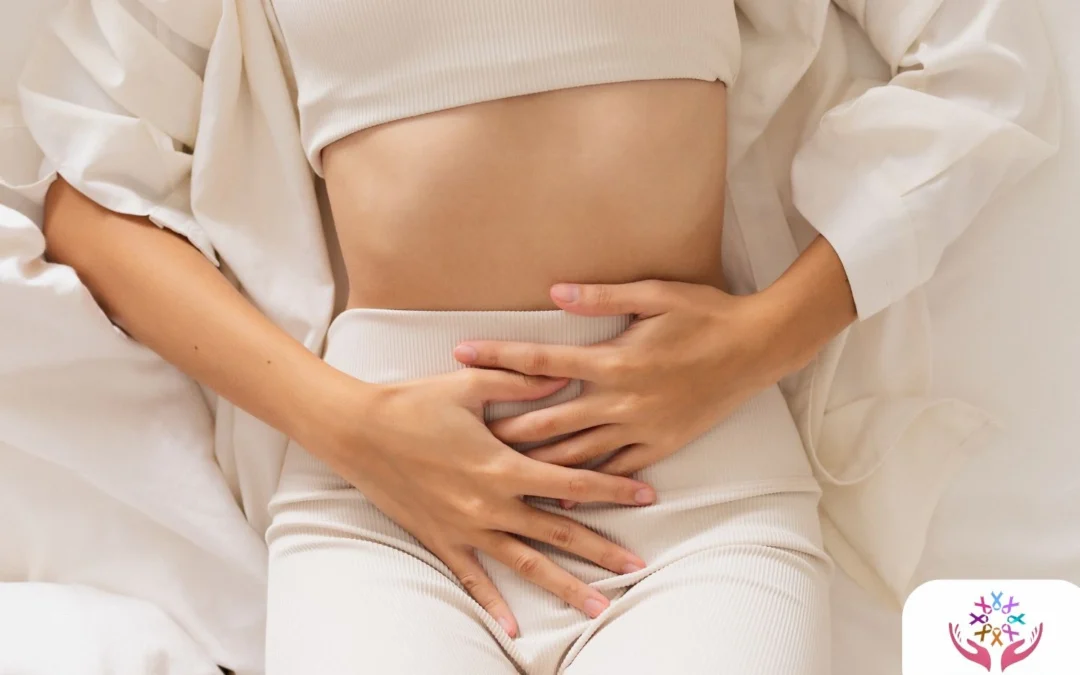
Understanding Polycystic Ovary Syndrome (PCOS): Symptoms and Management

Understanding Polycystic Ovary Syndrome (PCOS): Symptoms and Management

Polycystic Ovary Syndrome (PCOS) is a common hormonal disorder affecting women of reproductive age. It is one of the leading causes of irregular menstrual cycles, infertility, and hormonal imbalance. While the exact cause is not fully understood, early diagnosis and proper management can help prevent long-term complications such as diabetes, heart disease, and endometrial cancer. In this blog, Dr. Renu Sharma, PCOS Doctor in Indore, explains all about Polycystic Ovary Syndrome and some fitness tips. 

What is PCOS?

Polycystic Ovary Syndrome occurs when the ovaries produce an abnormal amount of androgens, male hormones that are usually present in women in small amounts. The condition is named after the small fluid-filled sacs, or cysts, that may form in the ovaries. However, not all women with Polycystic Ovary Syndrome have these cysts, and having cysts does not always mean you have Polycystic Ovary Syndrome.

Common Symptoms

It can present in different ways, and symptoms may vary from person to person. The most common signs include:

  1. Irregular periods – Fewer than nine periods a year, very heavy bleeding, or no periods at all.
  2. Excess hair growth (Hirsutism) – Dark, coarse hair growth on the face, chest, or back.
  3. Acne and oily skin – Persistent acne, especially on the face, back, and chest.
  4. Weight gain – Difficulty losing weight or unexplained weight gain.
  5. Hair thinning – Hair loss or thinning hair on the scalp.
  6. Dark patches on the skin – Usually around the neck, armpits, or under the breasts.
  7. Fertility issues – Difficulty getting pregnant due to irregular ovulation.

Causes and Risk Factors

The exact cause of PCOS is not known, but certain factors may increase the risk:

  • Insulin resistance – Many women have insulin resistance, leading to higher insulin levels, which may cause excess androgen production.
  • Hormonal imbalance – Elevated levels of luteinizing hormone (LH) and testosterone can disrupt ovulation.
  • Genetics – It often runs in families, suggesting a genetic link.
  • Low-grade inflammation – Women with Polycystic Ovary Syndrome may have chronic low-grade inflammation that stimulates the ovaries to produce androgens.

Health Risks Associated with PCOS

If left untreated, it can lead to several complications, including:

  • Type 2 diabetes
  • High cholesterol and high blood pressure
  • Sleep apnea
  • Depression and anxiety
  • Endometrial cancer
  • Infertility

Diagnosis

There is no single test for diagnosing Polycystic Ovary Syndrome. Doctors usually follow the Rotterdam criteria, which require at least two of the following:

  • Irregular or absent ovulation
  • Elevated androgen levels
  • Polycystic ovaries seen on ultrasound

Blood tests, physical examinations, and medical history are also considered to rule out other conditions.

Management and Treatment

While there is no cure for PCOS, its symptoms can be managed effectively through lifestyle changes, medications, and supportive therapies.

1. Lifestyle Changes

  • Healthy diet – Focus on a balanced diet rich in fruits, vegetables, lean proteins, and whole grains. Limit sugar and processed foods.
  • Regular exercise – At least 30 minutes of moderate activity most days can improve insulin sensitivity and help with weight management.
  • Weight management – Even a small amount of weight loss (5–10% of body weight) can restore regular periods and improve symptoms.

2. Medications

  • Birth control pills – Regulate periods, reduce androgen levels, and improve acne.
  • Metformin – Improves insulin resistance and can help restore ovulation.
  • Fertility medications – Such as Clomiphene citrate for women trying to conceive.
  • Anti-androgen medications – Reduce excess hair growth and acne.

3. Skin and Hair Treatments

  • Laser hair removal, electrolysis, or topical creams can help manage unwanted hair growth.
  • Acne treatments, including topical retinoids or antibiotics, may be prescribed.

4. Emotional Support

It can impact mental health, causing stress, anxiety, and depression. Support groups, counseling, and stress management techniques like yoga or meditation can be helpful.

Living with PCOS

It is a lifelong condition, but with the right management, women can lead healthy, fulfilling lives. Early detection, consistent monitoring, and a personalized treatment plan are key to reducing symptoms and preventing complications.

Conclusion

Understanding Polycystic Ovary Syndrome (PCOS) is the first step toward effective management. If you notice symptoms like irregular periods, excessive hair growth, or sudden weight gain, consult a gynecologist for timely evaluation. Through a combination of healthy lifestyle choices, medical treatments, and emotional support, it can be managed effectively, improving both physical and emotional well-being.

Top 7 Lifestyle Changes to Prevent Endometrial Cancer Naturally!

Top 7 Lifestyle Changes to Prevent Endometrial Cancer Naturally!

Endometrial Cancer also known as Uterine Cancer is becoming very common among the women, especially in the urban areas. While the word “Cancer” can itself give chills to anyone, the best part is a few lifestyle changes can significantly reduce the chances of developing this Cancer. This blog by Dr. Renu Sharma, leading lady Gynaecologist in Indore will help you understand top lifestyle changes by which one can avoid the chances of developing Endometrial Cancer. 

Top 7 lifestyle changes to prevent cancer naturally- 

  1. Exercise Regularly- 

It is considered that even if you do 30 minutes of exercise daily then you can prevent most of the diseases naturally. Regular physical activity doesn’t just help with weight management, it also regulates insulin levels and reduces inflammation- the two major factors linked with cancer development. Whether it’s yoga, dancing, cycling, or swimming, choose something that you enjoy so it becomes a habit and not a chore.

  1. Maintain a Healthy Body Weight-

Obesity is one of the major risk factors for Endometrial Cancer. Excess fat tissue produces more estrogen, which in turn leads to abnormal growth in the Endometrium. Women with a Body Mass Index (BMI) above 30 have a much higher risk of developing this type of cancer. By maintaining a healthy weight through balanced eating and regular physical activity, the hormonal balance in your body improves naturally reducing your risk of Endometrial Cancer. 

  1. Balanced Diet- 

A diet rich in fiber, vegetables, fruits and whole grains supports digestive health and hormone regulation. Foods like broccoli, spinach, berries, lentils, oats and flax seeds are not only great for your waist but also play an important role in estrogen metabolism. These small dietary changes can go a long way in the prevention of Endometrial Cancer.

Endometrial cancer
  1. Track your cycle-

Irregular periods, postmenopausal bleeding or spotting in between cycles may seem like minor nuisances but these can be early signs of endometrial issues. If you notice any of these symptoms, especially after 40 then consult a Gynaecologist near you for an expert medical guidance. 

  1. Consider Pregnancy and Birth Control History- 

Women who have had multiple full-term pregnancies have a lower risk of endometrial cancer. This is because pregnancy reduces the number of menstrual cycles and the exposure to estrogen. Also the use of oral contraceptives has been shown to lower the risk of Endometrial Cancer due to the progestin they contain. If you are exploring family planning options, it’s worth discussing these long-term health implications with your doctor.

  1. Quit Smoking- 

There is a direct link between smoking and endometrial cancer which is still being explored by many patients. Smoking weakens the immune system and increases the risk of many other cancers too. For women especially those already facing hormonal imbalances, smoking can worsen overall reproductive health.

  1. Manage Diabetes and Insulin Resistance-

Insulin resistance, frequently leading to type 2 diabetes has been linked to an increased risk of several cancers, including endometrial cancer. Keeping blood sugar levels in check through diet, exercise and medication helps reduce this risk. Regular health check-ups can detect early signs of insulin resistance or diabetes, helping you take action before it becomes a bigger issue.

Conclusion- 

There are no early warnings of Endometrial Cancer but if you see any of the symptoms, have this cancer or do not have this cancer, living a healthy lifestyle won’t harm the body. Combination of exercises, healthy diet and regular medications will help you prevent the chances of Endometrial Cancer. If you or your loved ones are suffering from any of these symptoms, then do not ignore these signs and book your appointment with Dr. Renu Sharma, Gynaecological Oncologist for the best medical advice. 

Struggling with PCOD? Here’s A Complete Guide Of                                                       Everything You Need To Know!

Struggling with PCOD? Here’s A Complete Guide Of Everything You Need To Know!

PCOD also known as Polycystic Ovarian Disease is one of the most common hormonal disorders affecting millions of women worldwide. It commonly affects women of reproductive age leading to many hormonal imbalances. If this is left untreated then it can also lead to risk of diabetes, heart disease and endometrial cancer but the good news is with early prevention and lifestyle changes, it can be managed effectively. Dr. Renu Sharma, leading Gynaecological Oncologist in Indore will guide you through the common causes, treatment options and symptoms of PCOD. 


What is PCOD?


It is also known as Polycystic Ovarian Disease is a hormonal imbalance in women that affects the ovaries. It is a condition in which the ovaries generate eggs that are immature or partially developed. This disorder results in the excessive production of androgens, a male hormone leading to multiple cysts in the ovaries. These cysts prevent eggs from maturing properly, causing irregular ovulation or no ovulation at all. This hormonal imbalance leads to irregular periods, excessive hair growth, weight gain and even fertility issues


Common Symptoms – 


The common symptoms vary from women to women. Some may experience mild symptoms, while others may struggle with severe complications. The most frequently seen symptoms are- 


  • Irregular Periods
  • Amenorrhea (No Periods)
  • Hirsutism (Excessive Hair Growth)
  • Acne
  • Oily Skin
  • Unexplained Weight Gain
  • Hair Thinning
  • Male-Pattern Baldness
  • Difficulty in getting Pregnant
  • Mood Swings
  • Depression  


Common Causes of PCOD- 


  1. Genetics-


If every female around you, including your mother, sister and grandmother has had it before or has it now then there are high chances that you might have it too. Genetic Predisposition plays a crucial role in this condition. 


  1. Unhealthy Lifestyle-


Every major condition somewhere has a connection with the type of lifestyle you live. A sedentary lifestyle, poor diet and lack of exercise can contribute to hormonal imbalances, leading to Polycystic Ovarian Disease. High sugar intake, processed foods and unhealthy fats can worsen insulin resistance, making its symptoms more severe.


  1. Hormonal Imbalance-


Polycystic Ovarian Disease is commonly linked to an imbalance of reproductive hormones which include-


  • Increased Androgen Levels- Increased Androgen Levels lead to symptoms like excessive facial hair, acne and male-pattern baldness.
  • High Insulin Levels– Many women with PCOD develop insulin resistance, which can lead to weight gain and an increased risk of type 2 diabetes.


  1. Obesity-


While not every woman with Polycystic Ovarian Diseaseis overweight but conditions like Obesity can make the conditions worse, increasing the Androgen and Insulin levels. 


  1. Chronic Inflammation-


Women with this condition often have low-grade inflammation which stimulates polycystic ovaries to produce excess androgens, contributing to complications like cardiovascular disease.


Treatment Options –


However, there is no such treatment for PCOD which can cure it completely but a combination of lifestyle changes, medications and home remedies can help you manage the symptoms effectively. 


  1. Lifestyle Modifications-


A few changes in your way of living such as taking a healthy diet, low in carbs and rich in protein & fibre, regular exercises such as strength training, yoga & cardio and managing stress by meditation, deep breathing & mindfulness can help you improve its symptoms.


  1. Medications-


Medications suggested by your gynaecologist such as Birth Control Pills, Anti-Androgen Medications, Metformin etc. help regulate periods, reduce excessive androgen levels, reduce acne, reduce excessive hair growth, manage insulin resistance and support weight loss. From women who are trying to get pregnant, ovulation-including medications like Clomiphene or Letrozole can help stimulate ovulation. 


  1. Home Remedies- 


Natural home remedies like Spearmint Tea- famous to reduce androgen levels naturally, Apple Cider Vinegar- known for its help in weight management & insulin resistance and Ayurvedic & Herbal Remedies such as Ashwagandha and Fenugreek are believed to balance hormones naturally. 


  1. Surgery-


Ovarian Drilling is a very minimally invasive procedure in which small holes are drilled into the ovaries to reduce androgen production. It is a very small surgical intervention only used for severe cases after all the above treatment options fail to perform. 


Conclusion-


Polycystic Ovarian Disease is a challenging condition but it can be managed with the right approach. If you are experiencing symptoms like irregular periods, acne, excessive hair growth or difficulty in losing weight then do not ignore them and book your appointment with Dr. Renu Sharma, women reproductive health specialist for the best medical guidance. Small changes in lifestyle, the right medical guidance and early intervention can help you lead a healthy and fulfilling life again.