
The uterus is where a pregnancy settles and grows, yet it is often overlooked in the early stage of fertility testing. A small growth, a little scar tissue, an odd shape can be silently interfering with implantation, even when ovulation and hormones are perfectly normal.
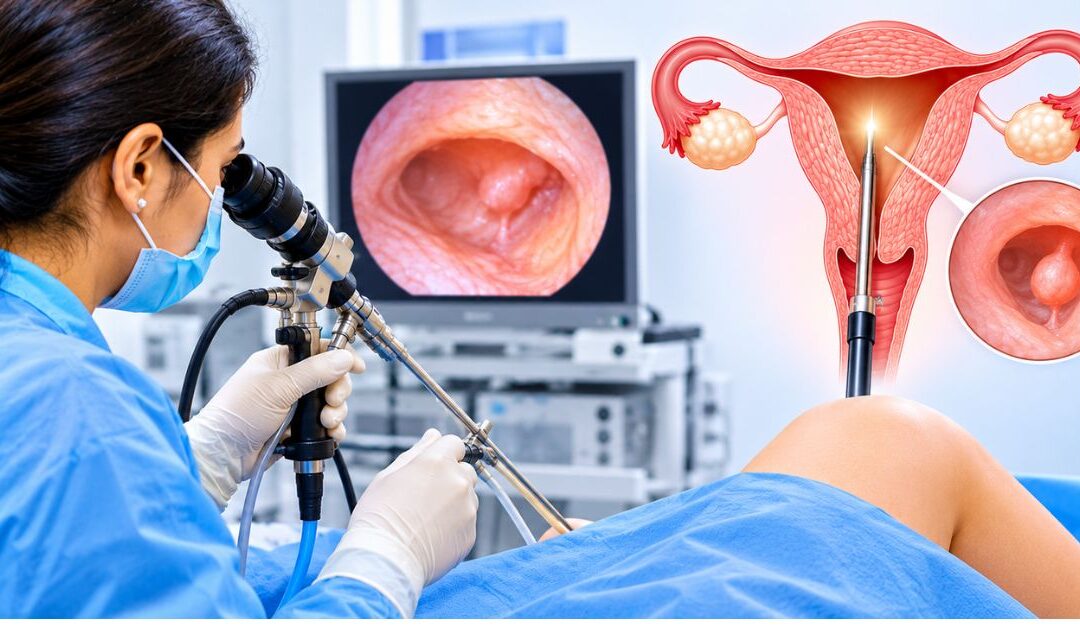
In a hysteroscopy the doctor can look directly inside the uterine cavity. A thin tube with a light and a camera is passed through the vagina and cervix, so no cuts are needed on the abdomen. The images are displayed on a monitor for a clear view in real time. Many women ask about hysteroscopy in Indore, if scans suggest unclear findings inside the womb.
So, what does it test for? The doctor examines the lining of the uterus, the shape of the cavity, and the openings of the fallopian tubes. Common findings include endometrial polyps, small fibroids pushing into the cavity, intrauterine adhesions, a septum (a wall dividing the cavity) and sometimes retained tissue after a miscarriage. Several of these can be treated at the same procedure saving the patient for a second surgery.
The test is advised when a woman has repeated failed IVF cycles, recurrent miscarriages, abnormal bleeding or a suspicious ultrasound or HSG report. Couples looking for hysteroscopy for infertility in Indore are often in this exact situation, wanting a closer look before moving to the next treatment.
Timing is usually just after a period ends when the lining is thin, and the view is best. Some patients require only light sedation or light anesthesia. It is normal to experience cramping like period pain and a little spotting for a day or two. Most women return to their normal jobs soon.
Complications are rare, but your doctor should tell you what they are and what will happen if a problem occurs. Because the procedure answers a very specific question about the uterus, it can help the team plan treatment with more confidence and take the guesswork out.