Oct 7, 2026 | Gynecologist
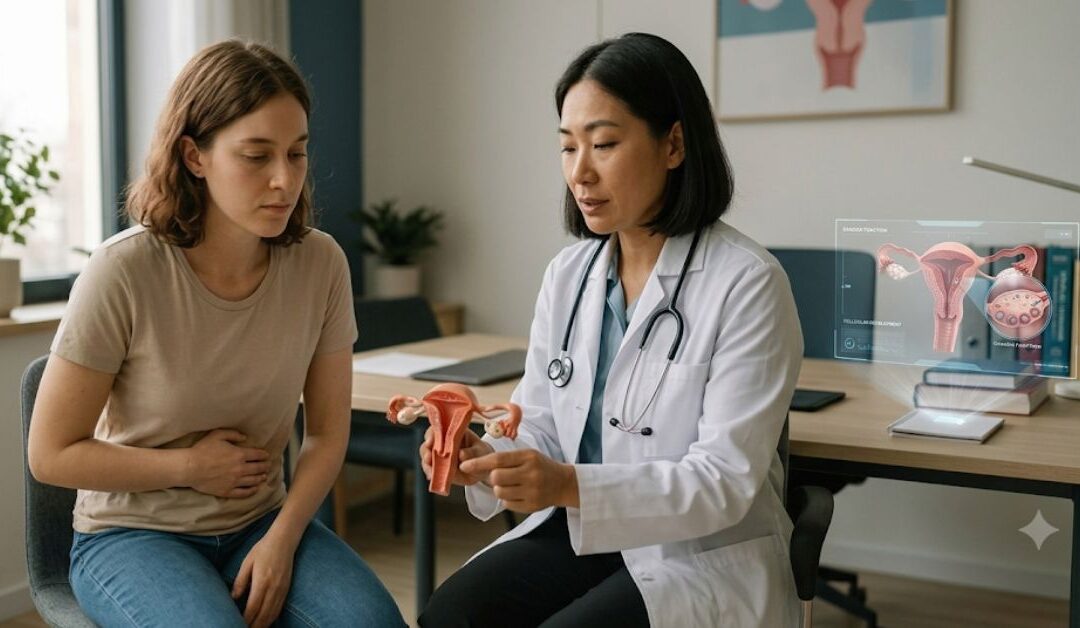
An ovarian cyst diagnosis can be a worry for many women who want to be mothers. The good news is that most cysts don’t affect fertility. However, some types can interfere with ovulation or damage ovarian tissue, so it is important to know the difference.
Harmless cysts
Functional cysts, which are a normal part of ovulation, seldom cause lasting problems. They generally go away after a few cycles and don’t reduce your chances of getting pregnant.
Cysts that may affect fertility
Endometriomas from endometriosis can affect egg quality or quantity and alter pelvic anatomy. Large cysts may press on the fallopian tubes or ovary and interfere with the release and movement of the egg. Women with PCOS often have many small follicles and irregular ovulation, which can make conception more difficult, but is usually treatable.
Can surgery reduce fertility?
This is a legitimate concern. Careful technique is essential because a cystectomy may remove a small amount of healthy ovarian tissue. Ovarian preservation is a specialty of a surgeon who can help you protect your ovarian reserve. Doctors may sometimes suggest testing fertility before surgery.
If you seek early consultation for ovarian cyst treatment in Indore, you will be able to decide whether to observe, medicate or operate keeping in mind your plans for pregnancy.
Signs to discuss with your doctor.
- Irregular or missed periods
- Painful periods or intercourse
- Difficulty conceiving after a year of trying
- Known history of Endometriosis OR PCOS
Helpful tests
An ultrasound, hormone profile and an AMH test, which estimates ovarian reserve, give a better picture of your fertility potential.
Supporting Your Fertility
Control your weight. Reduce stress. Do not smoke. Treatment for underlying hormonal disorders. If you are above 35 years of age, don’t wait for advice as timing is more important.
The bottom line.
Having a cyst doesn’t mean you can’t get pregnant. Many women with treated cysts have healthy pregnancies. “What’s important is a correct diagnosis, the right treatment and regular check-ups.”
If you are planning a family and you have a cyst diagnosis, consult a gynecologist for ovarian cyst in Indore who can combine treatment decisions with fertility guidance and design a plan that safeguards your reproductive future.
Oct 5, 2026 | Gynecologist
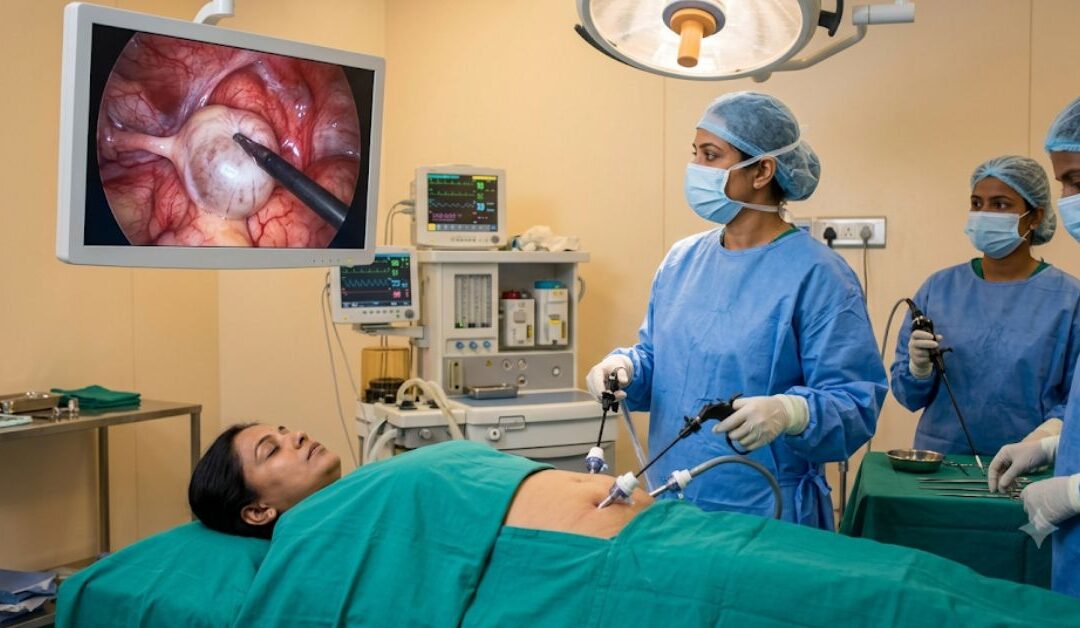
When ovarian cysts are large, cause pain, or do not go away, surgery may be the best treatment. Many of these procedures are now performed laparoscopically, which means smaller incisions, less invasive recovery, and a better chance to preserve healthy ovarian tissue.
The procedure step by step
You are given general anesthetic, so you will feel nothing during the operation. The surgeon will make two or three small incisions near the navel and lower abdomen. Gas is then slowly injected to create room to work, and a camera shows a magnified image of the pelvis. Using fine instruments, the surgeon separates the cyst from the ovary, attempting to save as much healthy tissue as possible. The cyst is then safely removed (usually in a protective bag) to prevent leakage.
Choosing laparoscopic ovarian cyst surgery in Indore gives many women the chance to avoid a large abdominal cut while still receiving a thorough and careful treatment.
Big benefits
- Reduced pain after surgery
- The hospital stay is shorter. Usually, it is a day or two
- Reduced risk of wound complications
- Faster return to normal activities
- Better preservation of ovarian function if done correctly
Timeline for recovery
It is common to have mild shoulder pain or bloating for a day or two from the gas used during surgery, and this resolves quickly. A week later, most women are back at their desks. Usually, heavy exercise and lifting are avoided for several weeks. drink plenty of water, keep walking, eat light and fibrous food and turn up for your follow-up appointment
When to see your doctor
If you develop a high fever, increase pain, heavy bleeding, redness or discharge from the wounds or persistent vomiting, please contact the hospital.
Does the cyst return?
Some types, such as endometriomas, can recur and therefore you may need long-term follow-up. The tissue that is removed is usually examined to confirm the diagnosis.
Preparing yourself
Ask about fasting, meds to stop, length of stay and costs. Inform the surgeon of any pregnancy plans, so that he/she can plan ovarian preservation.
Choose well; there is much that depends upon skill and experience. The well-known ovarian cyst surgeon in Indore will go through your scans, explain if keyhole surgery is the right option for you and will be there with you at every step to ensure you are well informed and relaxed before the procedure.
Oct 3, 2026 | Gynecologist
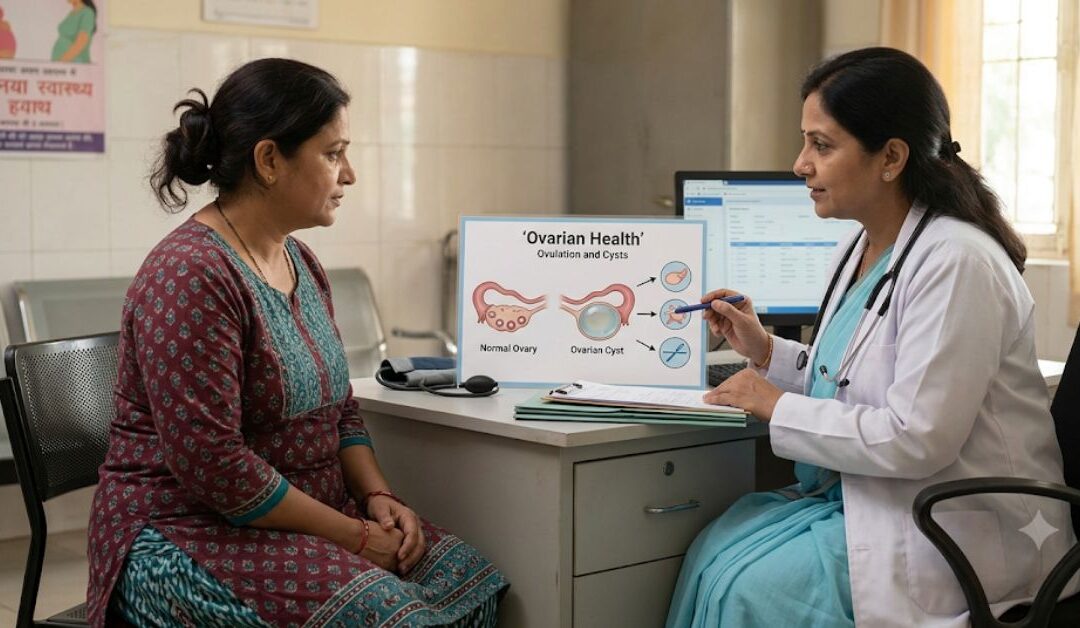
Hearing the word “cyst” on an ultrasound report can be frightening, but most ovarian cysts are benign. They are fluid-filled sacs that develop on or in an ovary. Many go away on their own without treatment.
Common types
Functional cysts are the most common type and develop as part of the normal cycle of the menstrual cycle. Other types include dermoid cysts, endometriomas from endometriosis, and cystadenomas. They each behave differently. That is why a good diagnosis is important.
Symptoms to watch for
There is nothing for many women. A dull ache in the lower abdomen, bloating, pain during periods or intercourse, a feeling of fullness or frequent urination are some of the symptoms. If you have severe pain suddenly, with nausea or fever, you need to see a doctor urgently, as this could be a sign of the cyst twisting or rupturing.
When is treatment needed?
Doctors usually look at a few factors:
- Size of cyst, especially if over about five centimeters
- Persistence for more than a few menstrual cycles
- Persistent pain or pressure
- Abnormal ultrasound appearance
- Menopause – new cysts require more careful examination
Small, painless functional cysts are often simply observed with a repeat scan in 6 to 8 weeks.
If your symptoms continue or the cyst keeps on growing, consulting a doctor for ovarian cyst treatment in Indore helps you understand whether medicines, monitoring or surgery is the right path. In some cases, hormonal medication can be used but does not dissolve all kinds of cysts.
Diagnosis
The main test is an ultrasound of the pelvis. If the cyst looks complex, blood tests including tumor markers in selected cases or an MRI may be recommended.
Living with an ovarian cyst
Keep a diary of your symptoms, have follow-up scans, and don’t ignore sudden changes in pain. A healthy lifestyle can help keep your hormones balanced overall, but it can’t guarantee that cysts won’t develop.
Do not panic
Most cysts are benign. Early review leads to better outcomes. But don’t self-medicate or rely solely on home remedies if symptoms continue.
If you have a cyst diagnosis or suspect, an experienced ovarian cyst specialist in Indore can interpret your reports, tell you your risk level, and recommend a plan that protects both your health and your future fertility.
Oct 1, 2026 | Gynecologist
Not all women with fibroids want their uterus removed. Myomectomy is often the preferred option for those who want to preserve fertility or just want to keep their uterus. When done laparoscopically, it combines the benefits of keyhole surgery with the removal of fibroids.
What is a myomectomy?
It’s a procedure that only removes the fibroids and leaves the uterus intact. This is not a hysterectomy, which is the removal of the entire uterus.
When should it be given?
Doctors often think about it in these situations:
- Severe bleeding that has not responded to drugs
- Pelvic pain or pressure that disrupts daily activities
- Fibroids pressing on the bladder or bowel
- Fibroids and difficulty getting pregnant or recurrent miscarriages
- A desire to keep the uterus strongly
Very small fibroids that do not cause any symptoms do not usually need surgery.
What does the laparoscopic technique involve?
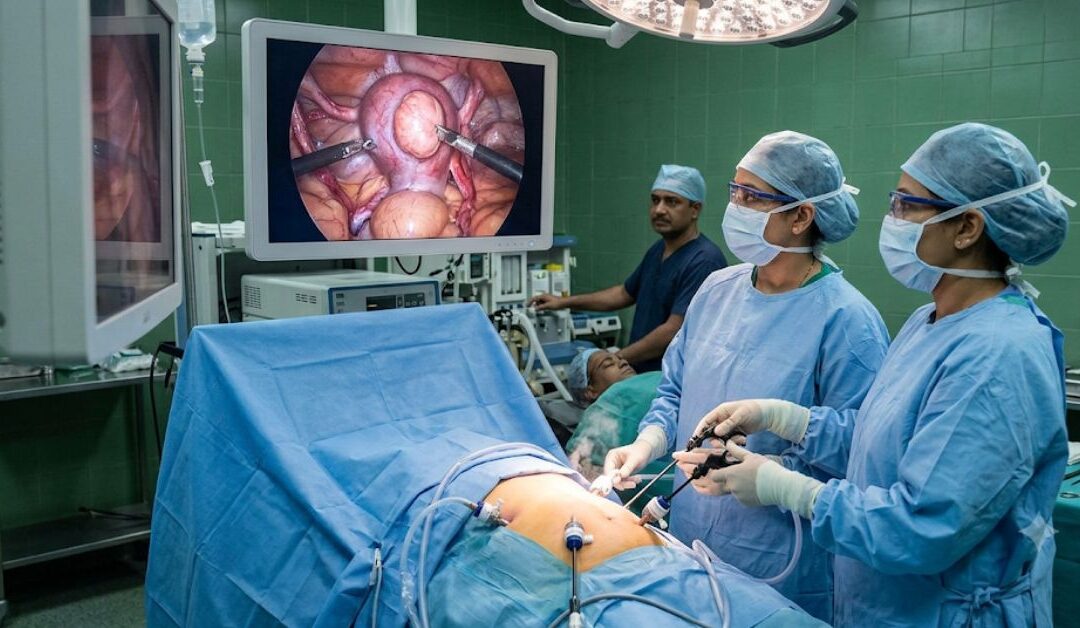
The operation is performed under general anesthetics. Small incisions are made in the abdomen. The surgeon removes the fibroids and stitches the uterine wall back together. The removed tissue is pulled out in small pieces through a protected channel.
If you are considering laparoscopic myomectomy in Indore, you need to talk about the number and position of your fibroids as these factors determine whether keyhole surgery is the safest option for you.
Advantages.
Patients usually have less bleeding, smaller scars, less pain, and faster healing than with open surgery. Many are sent home within a day or two.
What you need to know
In some women the fibroids may grow back and therefore follow-up scans are useful. If you are planning a pregnancy, your doctor will advise on how long to wait after surgery, often a few months, so that the uterus heals well. If the fibroid extended deep into the wall of the uterus, a cesarean delivery may be advised in future.
Questions to ask your surgeon
- How many laparoscopic myomectomies have you done?
- How long should recovery take?
- How will this affect my chances of getting pregnant?
- What are the other options?
Truthful answers give you the confidence to decide. If you are considering fibroid surgery in Indore, the best approach is to choose one based on your age, symptoms and family goals, clearly explained by a doctor you trust.
Sep 29, 2026 | Gynecologist
The thought of a big abdominal cut can be scary if you have been told you need fibroid surgery. The good news is that in many instances fibroids can be removed by laparoscopy, which means small cuts instead of one big incision.
What is laparoscopic surgery?
The surgeon makes a few small incisions in the abdomen, usually half a centimeter to one centimeter. A thin camera called a laparoscope is inserted, and the magnified view is displayed on a monitor. The fibroids are then removed with precision using slender instruments.
Who would be a good candidate?
How many fibroids you have, their size and location will determine the answer. Women with a reasonable number of not very large fibroids may be eligible. In some cases, large or multiple fibroids will need a different approach. Your doctor will normally review ultrasound or MRI reports before recommending the safest route.
Why do women love it?
- Smaller scars and less visible markings
- Shorter hospital stays, usually one to two days
- Faster return to normal activities
- Decreased risk of wound infection
The recovery is smoother in general compared to traditional open surgery which is a big advantage for working women and house running mothers.
If you are searching for laparoscopic fibroid surgery in Indore, ask about the surgeon experience, the equipment you have, and what the recovery timeline is for your case.
What about the risks?
As with any surgery, there is a risk of bleeding, infection, or injury to other organs. These are rare, but these are the reasons you need to choose a trained and experienced team. If complications occur, the surgeon may have to switch to open surgery. A good doctor will discuss this possibility ahead of time.
Anticipated recovery: Most women walk the same day, are up to light work within a week or two and avoid heavy lifting or strenuous exercise for about four to six weeks (depending on advice). Follow-up visits help to confirm healing
Preparing for the surgery: Give your entire medical history. Ask about any fasting directions. Explain how the procedure might affect plans for future pregnancy.
Remember, fibroids can recur, so regular follow-ups are still important. Consult a skilled fibroid surgeon in Indore who can review your reports and explain every step clearly before you decide to plan the right treatment.
Sep 25, 2026 | Gynecologist
Many women hold off until the problem is unbearable to see the doctor. Often, they think that pain, irregular periods, or discomfort are just “normal”. Though some of the symptoms are harmless, others are your way of asking for attention.
Heavy or long periods, unusual. If you are burning through pads, passing large clots or bleeding for longer than 7 days, you deserve evaluation. Heavy bleeding can cause anemia and can be a sign of fibroids or a hormonal imbalance.
Sharp pelvic or period pain. Mild cramps are common, but pain that stops your working, studying or sleeping is not to suffer in silence.
Bleeding between periods or after sex. Spotting outside your cycle or bleeding after sex should always be investigated.
Missed or irregular periods. Thyroid problems, PCOS, stress, or other treatable conditions can cause irregular or absent periods for months at a time.
If you notice any of these signs, it is better to go for a visit to a gynecologist in Indore rather than waiting for them to subside on their own. Early diagnosis often means easier treatment and faster recovery.
Any unusual or persistent discharge or itching. A change in color, smell, or texture that does not get better may mean an infection that needs proper medication.
Unbelievable. If you have been trying to get pregnant for a year (or six months if you are over 35) and have not succeeded, then a fertility workup is a reasonable next step.
Dyspareunia This happens more often than people will admit and often has a treatable cause.
A lump or swelling in the lower belly. If you have ongoing bloating or a sensation of pressure, you should get it checked out.”
Concerns related to menopause. The right help can often help ease hot flushes, mood swings, and sleep problems.
But routine visits matter too. A yearly check-up and regular Pap smears after the appropriate age can detect problems early, even if there are no symptoms.
Don’t postpone care due to embarrassment or a busy schedule. When you are ready to visit a gynecologist doctor in Indore, write down your symptoms, your last periods dates and any medicines you are taking. With a bit of preparation, your doctor will be able to understand your concerns quickly and plan the right tests for you.