
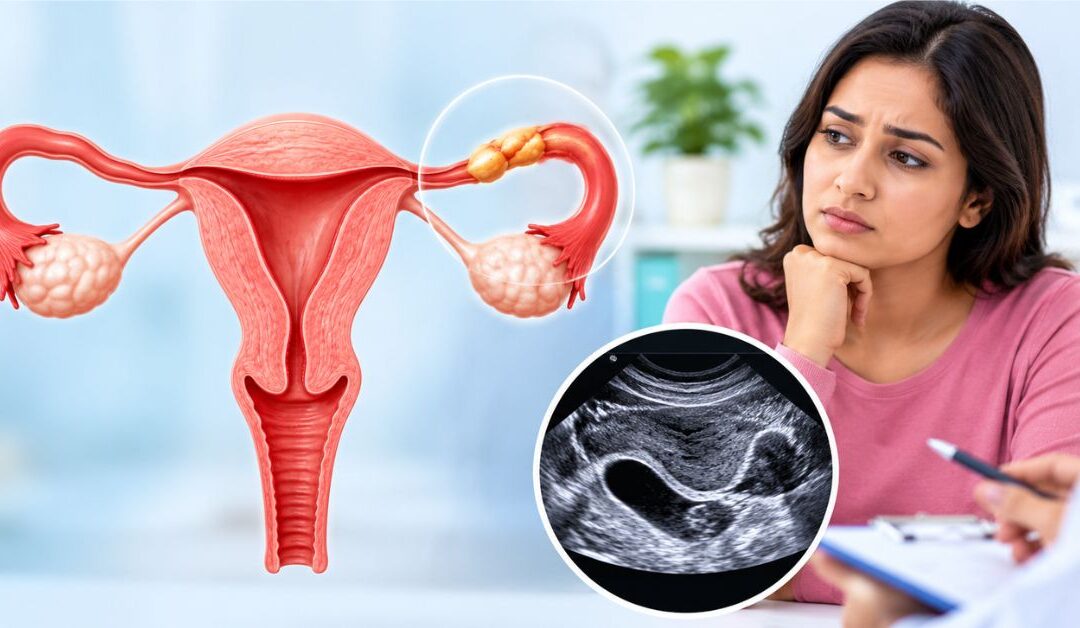
Each month an egg will travel down a fallopian tube, meet a sperm there, and then move on to the uterus. If the tube is blocked the meeting just can’t happen. Many women don’t find out until they have been trying for months, because a blockage rarely gives obvious symptoms.
It can be caused by a number of things. Common causes include previous pelvic infection, genital tract tuberculosis, endometriosis, previous abdominal or pelvic surgery, and previous ectopic pregnancy. Sometimes one tube is affected, sometimes both, and the prognosis accordingly.
The diagnosis usually begins with a test called an HSG, where dye is run through the uterus and X-ray images are taken. There is also a sonography-based version. If the results are unclear, or the doctor wants to see the pelvis in person, a keyhole examination with a dye check may follow. Women, who are concerned about a possible blockage, often search for blocked fallopian tubes treatment in Indore after an HSG report says “non-spillage” of dye.
Treatment depends on where the blockage is and how damaged the tube is. Sometimes a gentle flush technique can clear a small blockage near the uterus. Laparoscopy can be used to release the adhesions around the tube. Doctors might suggest removing or sealing off a closed and swollen tube end, since fluid may decrease chances of IVF success if it stays in the tube. IVF is often the most practical option if the tubes are severely damaged, as it bypasses them altogether.
The fallopian tube blockage doctor in Indore you choose should be a doctor who explains these possibilities without trying to push you in one direction. The plan is influenced by age, ovarian reserve, your partner’s reports, and how long you have been trying.
One important point is that if you ever have sudden one-sided pelvic pain or irregular bleeding with a positive pregnancy test, seek medical attention immediately, as damaged tubes raise the risk of ectopic pregnancy.