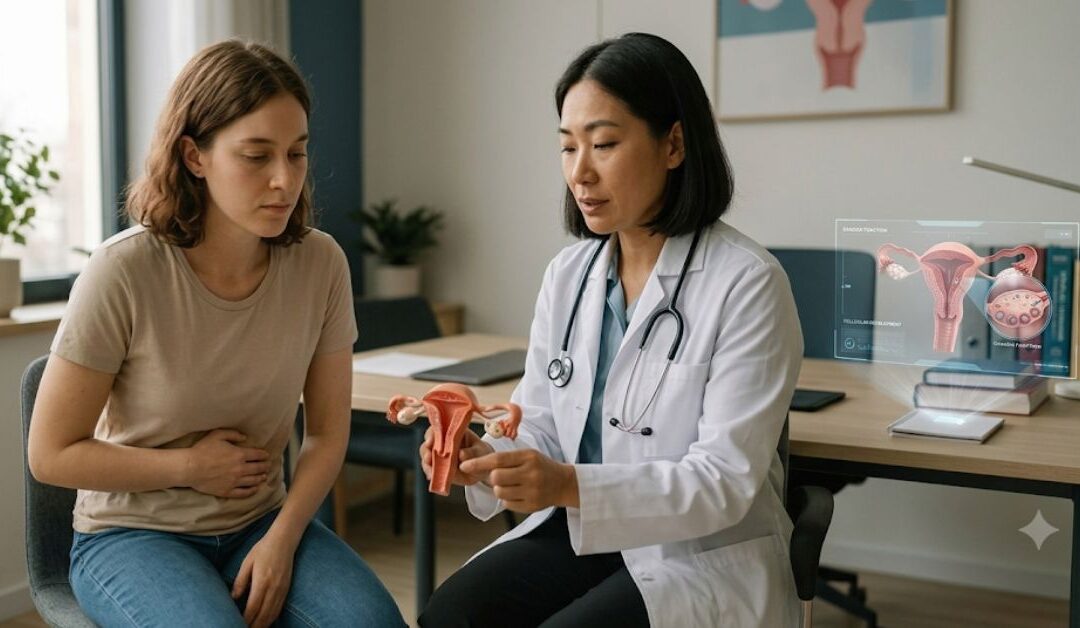
Oct 15, 2026 | Laparoscopic Hysterectomy
Hysterectomy is the removal of the uterus and for many women it is a life-changing decision. It’s not the first choice for every problem, but it does provide long-lasting relief in some situations when other treatments have failed.
Conditions That May Result in Hysterectomy
Doctors may recommend it for:
- Large or multiple fibroids that cause bleeding or pressure.
- Adenomyosis and severe pain
- Advanced endometriosis not responding to other treatments
- Uterine prolapse: the uterus slips down into the vagina
- Chronic pelvic pain with no other alternatives
- Changes in the uterus, cervix or ovary that are precancerous or cancerous
Who Usually Makes a Good Candidate?
Women who are done with childbearing, have symptoms that affect their daily life, and have failed medications or less invasive options are generally considered. It’s not age that counts; it’s the reason for the surgery that counts more.
Why Laparoscopic Route?
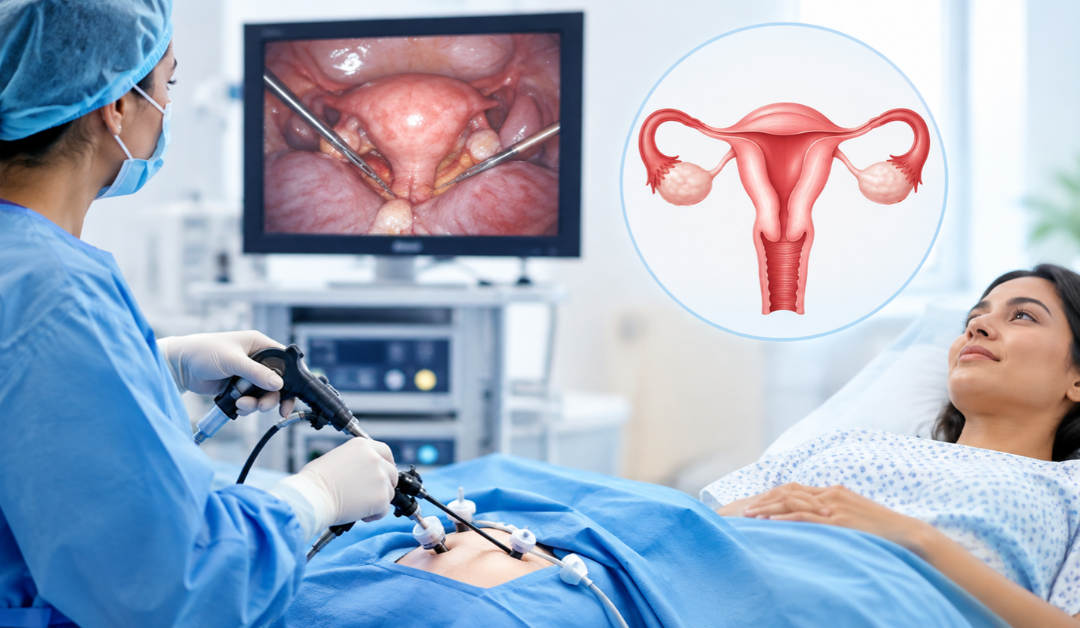
Keyhole surgery is surgery with small cuts and a camera. This usually means less pain, less scarring, a lower risk of infection, and a faster return to everyday life than having a big cut in the belly.
If you are looking for laparoscopic hysterectomy surgery in Indore, ask if your uterus size and medical history make you a good candidate for this approach.
Different types of hysterectomy
- Total: Hysterectomy, Cervix Removed
- Subtotal: Removal of the uterus but not the cervix
- If a salpingo-oophorectomy is done: The tubes and ovaries are also removed
The type depends on your diagnosis and your age and removing the ovaries causes menopause, so this needs to be discussed carefully.
First Things to Know
You can’t get pregnant after a hysterectomy and periods stop for good. This can be emotionally important even if the decision is medically right, so take time to ask questions and get a second opinion if you need to.
Other Options to Talk About
Some may be better suited to hormonal therapy, uterus-preserving surgery such as myomectomy or other procedures. A good doctor will explain all the options clearly.
Selecting the Appropriate Doctor
This is a major surgery, so experience is important. Consulting a good hysterectomy surgeon in Indore helps to get the right diagnosis, an honest suggestion and meticulous surgical treatment as per your needs.
Oct 13, 2026 | Gynecologist
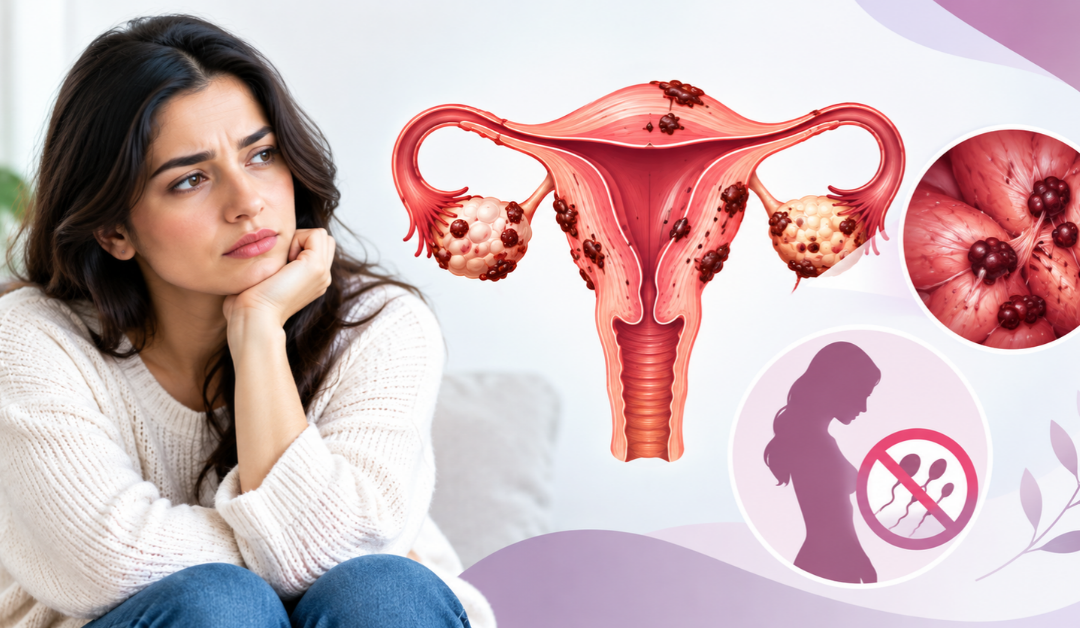
Many women with endometriosis worry about getting pregnant, and they should. The condition is related to problems conceiving but does not necessarily mean pregnancy is impossible.
How Common is the Problem?
Many women with endometriosis have trouble getting pregnant. But many do get pregnant without help. The effect varies from woman to woman, depending on how far the disease has spread and where it is located.
Ways Endometriosis Can Affect Fertility
- Your Fertility Scarring and adhesions can distort the pelvis and block the fallopian tubes.
- Ovarian endometriomas can reduce the number and quality of eggs.
- Pelvic inflammation can interfere with the release, fertilization, and implantation of eggs.
- In some women, ovulation can be disrupted by hormonal imbalance.
Important Signals
If you have painful periods, painful intercourse, and have not become pregnant after a year of trying, it is worth an evaluation. Women over 35 should be counseled at 6 months.
Assistive Tests
Pelvic ultrasound, MRI and a blood test for AMH can show ovarian reserve and show cysts. Laparoscopy is still the most direct way to see the extent of the disease.
Early endometriosis treatment in Indore means more options for you, as fertility declines with age and progression of disease.
Treatment Paths for When You Want a Baby
Hormonal medications work by stopping ovulation, so they aren’t typically used when you’re actively trying to get pregnant. Instead, doctors might recommend:
- Laparoscopy can remove cysts and deposits, which can improve the chances of natural conception.
- Mild disease: Ovulation induction with timed intercourse or IUI.
- IVF when the tubes are damaged, the ovarian reserve is low or other methods have not worked.
Safeguarding Your Fertility
If the symptoms are serious, don’t wait. Don’t smoke, keep healthy weight, and talk about egg freezing if you are going to have surgery or have advanced disease that threatens your ovarian reserve.
The Hope is Still High
Most women with endometriosis have successful pregnancies. The secret is timely, customized guidance. A good endometriosis specialist in Indore will go over your reports, discuss your fertility chances honestly and come up with a plan that will give you the most pain relief without losing the desire for motherhood.
Oct 11, 2026 | Laparoscopic Hysterectomy
Medication and pain management are often used to treat endometriosis, but for some women that is no longer enough. In these instances, keyhole surgery offers a clearer diagnosis and longer-lasting relief.
Why sometimes surgery is considered
Medications can help relieve symptoms, but cannot dissolve any deposits, cysts, or scar tissue that may already be present. Surgery is a serious option, if treatment doesn’t control the pain, if large endometriomas develop on the ovaries or if it interferes with conception. It may also be recommended if the disease is affecting the bowel, bladder, or fallopian tubes.
What is done in the procedure?
The surgeon makes several small cuts in the abdomen and puts a camera in to directly see the pelvis under general anesthesia. Visible deposits are carefully excised or treated, adhesions released and cysts removed with protection of the healthy tissue. The area is magnified by the camera, so even small lesions missed on scans can be found.
A procedure that diagnoses and treats simultaneously
Another major advantage is that the same procedure both confirms the diagnosis and treats the problem. Samples of the tissue may be sent out to be examined to confirm the findings.
If you are a woman considering laparoscopic endometriosis surgery in Indore, be sure to ask what percentage of the disease can realistically be removed and what the plan will be afterward to keep the symptoms under control.
Advantages of Open Surgery
The smaller the incision, the less pain and scarring and the shorter the hospital stay, which is usually one to two days. Most women are back to light activity in a week or two and the magnified view allows the surgeon to work more precisely around delicate organs.
Questions to Ask Yourself Before Deciding
- Really, is it an operation, or can we just keep medicating?
- What will this do to my fertility plans?
- What is the risk for recurrence?
- “What does recovery look like with my type of disease?”
Keep Moving Forward
The best surgery for endometriosis is tailored to your symptoms, age and family goals. An in-depth consultation with a skilled endometriosis surgeon in Indore can help you decide whether surgery is appropriate for you and what you can expect as an outcome.
Oct 9, 2026 | Gynecologist
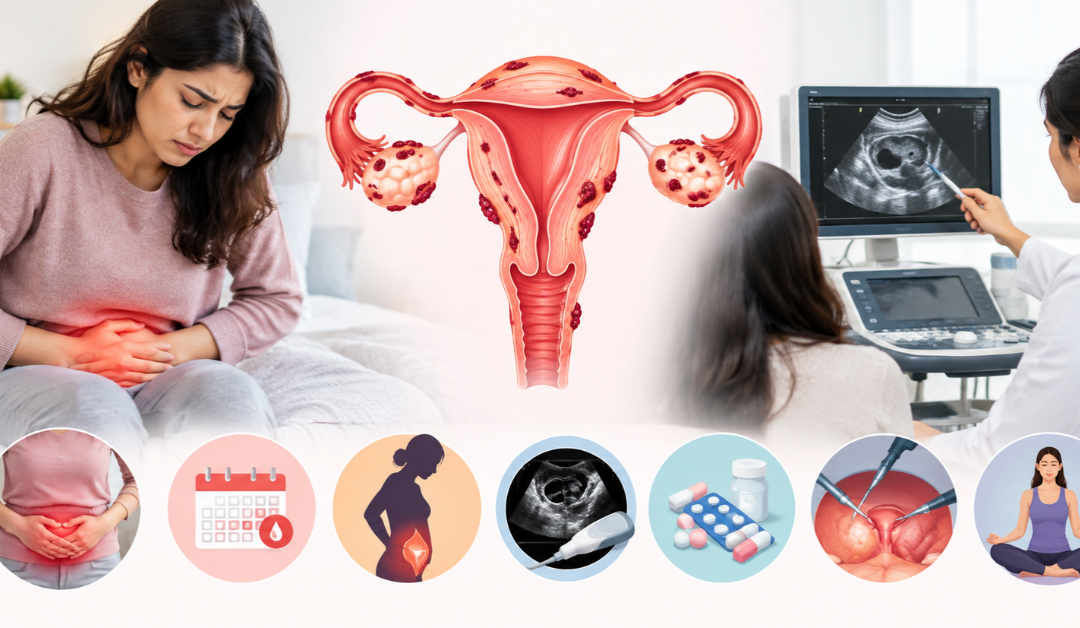
Endometriosis is when tissue like the lining of the uterus grows outside the uterus, most commonly on the ovaries, fallopian tubes, and the lining of the pelvis. This tissue reacts every month to hormones causing inflammation, scarring, and pain. It affects many women but is frequently diagnosed years late as painful periods are misdiagnosed as normal.
Common symptoms
- Severe menstrual cramps that worsen with time
- Chronic pelvic pain: pain between periods
- Pain during or after sexual intercourse
- Painful bowel movements or urination, especially during menses
- Bleeding that is heavy or irregular
The pain may be mild or severe, but this does not necessarily relate to the severity of the disease. There are women with mild endometriosis who suffer terribly, and women with extensive disease who have few symptoms.
Why does it happen?
Why this is so is not known. Theories include retrograde menstruation, immune system differences, hormonal influences and genetics. Having a relative with endometriosis increases your risk.
How is it diagnosed?
Your doctor will start with your history and a pelvic exam. Ultrasound or MRI can find cysts associated with endometriosis, but small deposits may not appear. Laparoscopy allows direct visualization of the pelvis and, if necessary, a tissue sample for confirmation.
Treatment Options
The plan will depend on symptoms, age and fertility goals so there isn’t a universally applicable answer:
- Pain relief medicines to help with cramps
- Hormone therapy to halt growth and lessen bleeding
- Laparoscopic surgery to remove deposits, cysts and scar tissue
- Fertility treatments Getting pregnant is the priority
The best long-term relief for women seeking endometriosis treatment in Indore is often achieved by combining medical management and surgery when needed.
Selfcare. Apart from medical treatment, heat packs, gentle exercise, proper sleep and balanced nutrition can relieve discomfort. Chronic pain can also take a toll on mental health, and family support, and counseling can help.
Long term outlook. Endometriosis is a chronic disease, so it is important to have regular follow up. Symptoms may come back. But with proper care, most women experience significant relief and can lead active lives.
Don’t accept debilitating pain as normal. If periods are interfering with your work, relationships or happiness, you should consult an endometriosis specialist in Indore, who can diagnose the reason, discuss all possible options openly and chalk out a treatment plan that fits your body and objectives.
Oct 7, 2026 | Gynecologist
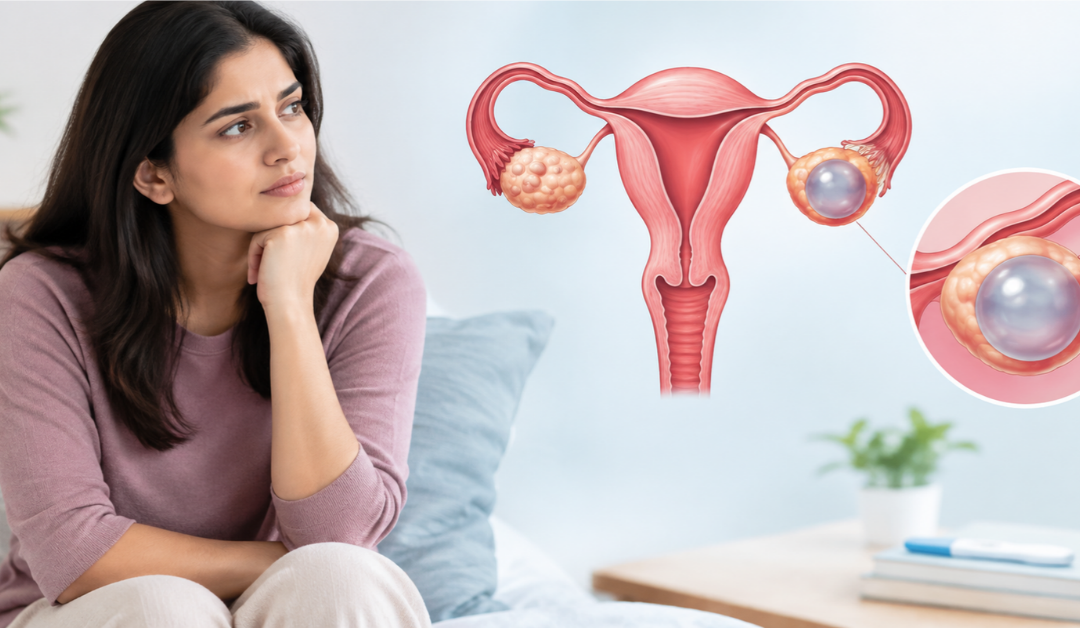
An ovarian cyst diagnosis can be a worry for many women who want to be mothers. The good news is that most cysts don’t affect fertility. However, some types can interfere with ovulation or damage ovarian tissue, so it is important to know the difference.
Harmless cysts
Functional cysts, which are a normal part of ovulation, seldom cause lasting problems. They generally go away after a few cycles and don’t reduce your chances of getting pregnant.
Cysts that may affect fertility
Endometriomas from endometriosis can affect egg quality or quantity and alter pelvic anatomy. Large cysts may press on the fallopian tubes or ovary and interfere with the release and movement of the egg. Women with PCOS often have many small follicles and irregular ovulation, which can make conception more difficult, but is usually treatable.
Can surgery reduce fertility?
This is a legitimate concern. Careful technique is essential because a cystectomy may remove a small amount of healthy ovarian tissue. Ovarian preservation is a specialty of a surgeon who can help you protect your ovarian reserve. Doctors may sometimes suggest testing fertility before surgery.
If you seek early consultation for ovarian cyst treatment in Indore, you will be able to decide whether to observe, medicate or operate keeping in mind your plans for pregnancy.
Signs to discuss with your doctor.
- Irregular or missed periods
- Painful periods or intercourse
- Difficulty conceiving after a year of trying
- Known history of Endometriosis OR PCOS
Helpful tests
An ultrasound, hormone profile and an AMH test, which estimates ovarian reserve, give a better picture of your fertility potential.
Supporting Your Fertility
Control your weight. Reduce stress. Do not smoke. Treatment for underlying hormonal disorders. If you are above 35 years of age, don’t wait for advice as timing is more important.
The bottom line.
Having a cyst doesn’t mean you can’t get pregnant. Many women with treated cysts have healthy pregnancies. “What’s important is a correct diagnosis, the right treatment and regular check-ups.”
If you are planning a family and you have a cyst diagnosis, consult a gynecologist for ovarian cyst in Indore who can combine treatment decisions with fertility guidance and design a plan that safeguards your reproductive future.