Sep 23, 2026 | Gynecologist
Picking a gynecologist is one of the most personal healthcare decisions a woman makes. This is the doctor you might trust with your menstrual health, your pregnancy, your contraception and your long-term wellbeing, so the choice deserves some thought rather than a last-minute search.
Training and qualifications. Start with the basics: a recognized MBBS degree, and an MD or MS in obstetrics and gynecology. If you have a specific condition, such as fibroids or endometriosis, ask whether the doctor has additional training in minimally invasive or laparoscopic procedures.
Experience with your concerns. A doctor who sees pregnancy care every day may not be the most experienced choice for complex surgical problems, and vice versa. Ask how often they see the condition you have.
Communication style. You should be free to pose awkward questions. A good doctor listens to you without rushing you, explains the diagnosis in simple language and does not make you feel embarrassed. It’s worth noting if you leave a consultation more confused than you went in.
When you start searching for gynecologist in Indore it is also useful to consider the practical aspect. Is the clinic conveniently located from your home/workplace? Are the appointment times okay? Is the doctor attached to a hospital with full diagnostic and emergency backup? These little things are more important than they seem if you have to do regular follow-ups.
Philosophy of treatment. Some doctors will recommend surgery right away while others will try medicines and changes in lifestyle first. Neither method is necessarily correct, but you deserve to know all the options, the benefits and risks of each, before you decide.
Respect and privacy. Your medical history is confidential. The clinic should have a private room for examination, and staff must keep your details private
Patient Testimonials. Online reviews and recommendations from friends or family can help but balance it out by reading it. Don’t just look for one glowing or angry review, but patterns in the reviews, such as repeated comments about patience or clear explanations.
It’s common to get a second opinion. If a doctor recommends a major procedure, get a second opinion—you’ll have a good doctor if they don’t mind.
Finally, follow your intuition. You need medical competence, but it’s feeling heard and respected that keeps you coming back for regular checkups. Women wait because they are afraid of being judged, and the right doctor takes that fear away.
Ask questions and compare your options. Shop around. If you are searching for the best gynecologist in Indore, look for the right blend of skill, empathy, and straightforward communication. That is what makes long-term care comfortable and reassuring.
Sep 3, 2026 | ovarian cyst treatment
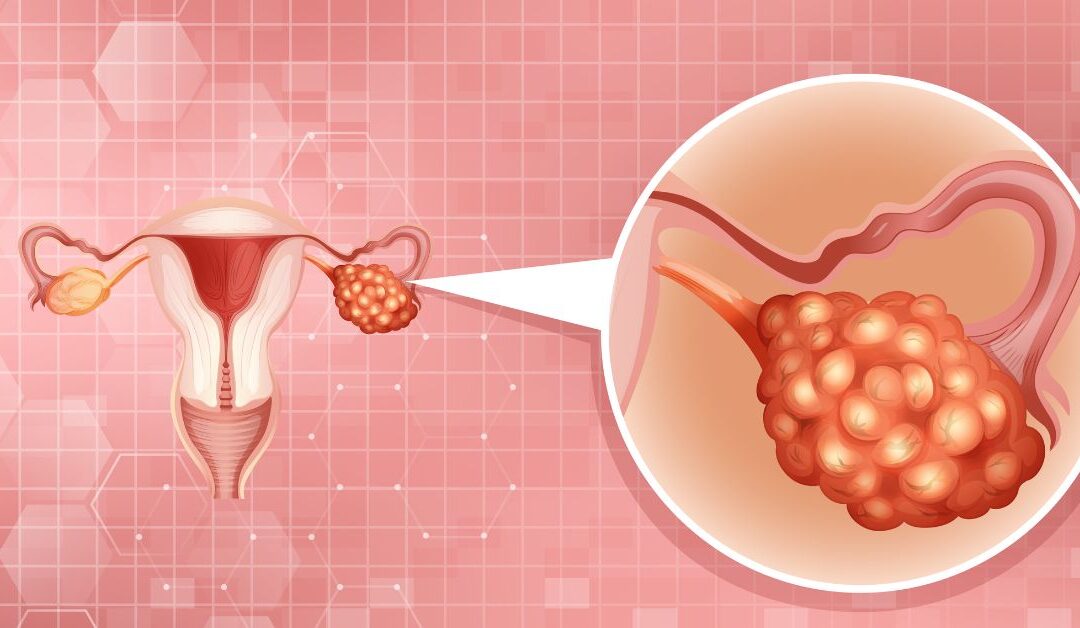
Older women are no longer the only people who encounter ovarian cysts. In today’s world, women in their 20s and 30s are often diagnosed when they have irregular periods, pelvic pain, or trouble getting pregnant. Early gyneconcologic treatment in Indore issues will help to identify the cause and prevent future issues, in Indore.
What is causing the increase in the occurrence of ovarian cysts?
While not all ovarian cysts are harmful, some can get worse if they are not dealt with. Treatment, or monitoring, may be necessary for some cysts, while others may resolve on their own.
There are some common reasons why the number of ovarian cyst cases is rising:
- Hormonal imbalance
- Polycystic Ovary Syndrome (PCOS)
- Delayed pregnancy planning
- Obesity and lack of activity.
- Family history of ovarian disorders
- Irregular ovulation
Early diagnosis helps doctors determine if further treatment is needed, if medication is needed, or if the child doesn’t need to be treated.
The symptoms listed below are signs of a serious problem that should not be ignored
Some ovarian cysts may grow without symptoms, while others lead to symptoms, such as: Pelvic pain, bloating, painful periods, frequent urination, or pain during sex. Talking to the best gynec in Indore at an early stage can help detect the cause and start early treatment.
If diagnosed early, most ovarian cysts can be treated successfully. Medical delay could lead to more complications, like intense pain, ovarian torsion, or fertility problems. Any change in the nature or duration of your periods or pain in the pelvis that’s unusual for you should warrant gyneconcologic treatment right away. The gynec and an experienced gynecologist in Indore can provide the best option and help assure the long-term reproductive health.
FAQs
1. When should I seek gyneconcologic treatment in Indore for ovarian cysts?
You should seek gyneconcologic treatment in Indore if you have persistent pelvic pain, irregular periods, bloating, or ovarian cysts detected during an ultrasound.
2. Can the best gynec in Indore treat ovarian cysts without surgery?
Yes. Many ovarian cysts can be managed with medication, hormonal treatment, or regular monitoring depending on their type and size.
3. Can a gynecologist in Indore diagnose ovarian cysts during a routine check-up?
Yes. A gynecologist in Indore can diagnose ovarian cysts through a pelvic examination and ultrasound if required.
4. Are ovarian cysts common in young women?
Yes. Hormonal changes, PCOS, and lifestyle factors have made ovarian cysts increasingly common among women in their 20s and 30s.
5. Do ovarian cysts always affect fertility?
No. Most ovarian cysts do not affect fertility, but certain types may require treatment to avoid future reproductive complications.
Aug 14, 2026 | Gynecologist
It is supposed to be a standard check, and then it writes something that’s not expected—a mass, an abnormal growth, or thickening that is not normal. So, a regular visit to the doctor suddenly starts to feel serious and most of the women’s gut instinct automatically leads them to search for a gynecological doctor in Indore before they know what that is.
This is the time when the Conversation moves into specialized care
If at the outset it is suspected that there may be something more serious than a common gynecologic problem, then the discussion moves beyond the routine problem and into gyneconcologic treatment in Indore, not because they assume at the beginning that there is something worse going on, but because it is the appropriate next step to determine if there is indeed something more.
The specialists will make all the difference when it comes to getting the best results
Not every case requires a level of expertise that is equal. If the findings raise a genuine concern, it is the best onco surgeon in Indore who will be able to make sure that the diagnosis is accurate and, if necessary, treatment planning is done in a way best suited to issues of gynecological cancer rather than just diagnosis.
The scan result is an unsettling though not definitive diagnosis. A gynecological doctor in Indore can provide a proper evaluation in a much shorter time than waiting around and assuming the worst and putting off the first appointment.
FAQs
1. What does it mean if my gynecological scan shows something unusual?
It typically means further investigation is needed, not necessarily anything serious. A gynecological doctor in Indore can determine the appropriate next steps based on the finding.
2. Does an abnormal finding always require gyneconcologic treatment?
No, many abnormal findings are benign and resolve with monitoring or simple treatment. Gyneconcologic treatment in Indore becomes relevant only when further evaluation confirms it’s necessary.
3. When should I see a specialized cancer surgeon instead of a general gynecologist?
If initial tests suggest a genuine concern requiring specialized care, a best onco surgeon in Indore is better equipped to handle diagnosis and treatment planning.
4. How long does it typically take to get clarity after an unusual scan result?
This varies depending on follow-up tests needed, but most cases receive clearer answers within a few weeks through proper evaluation.
5. Is it common for gynecological scans to show findings that turn out to be harmless?
Yes, very common. Many unusual findings are benign, which is why proper evaluation matters more than assuming the worst immediately.
Aug 1, 2026 | Laparoscopic Hysterectomy
When a woman becomes aware that a hysterectomy may be required, her first thought is likely to be of large incisions, weeks in bed and weeks of recovery. This is why many women fail to seek the right diagnosis, and the first step is to know if minimally invasive laparoscopic hysterectomy in Indore is an option for them, before assuming the worst.
This is what recovery truly looks like these days
An open surgery will usually require a longer hospital stay, scarring will be more noticeable and it will take a few weeks before the person can return to normal activities. A good laparoscopic surgery doctor in Indore can frequently do the same surgery with less pain, without much of a scar and quicker return to the normal way of life.
Questions Worth Asking Before Deciding
- If I have a condition is laparoscopy the right surgery?
- How long will I need to recover from my specific condition?
- Are there alternative non-invasive solutions that can be investigated first?
- Does the surgeon have experience performing this procedure?
The importance of experience with this technique
Not all cases are simple and not all surgeons are equally experienced in laparoscopic surgery. Having a laparoscopy specialist in Indore who has an in-depth understanding of the procedure generally entails a more comfortable and quicker recovery process compared to a broader surgical procedure.
If a hysterectomy is truly needed, then it isn’t a recovery that is long and painful as many women are still assuming. Sometimes, undergoing a proper evaluation for laparoscopic hysterectomy in Indore is likely to find options less invasive and far more manageable than the initial worry.
FAQs
1. Do I really need open surgery for my uterus problem?
Not always. Many cases are suitable for laparoscopic hysterectomy in Indore, which offers similar effectiveness with significantly less recovery time than open surgery.
2. Can laparoscopic surgery always replace traditional open hysterectomy?
For many conditions, yes. A laparoscopy specialist in Indore can determine if your specific case is suitable for this less invasive approach.
3. How much faster is recovery with laparoscopic hysterectomy compared to open surgery?
Recovery is typically significantly quicker, with many patients’ resuming light activity within a couple of weeks rather than the extended recovery open surgery requires.
4. How do I know if my surgeon has enough experience with laparoscopic procedures?
Ask directly about their laparoscopic case volume and specific experience with your condition. A laparoscopic surgery doctor in Indore should be transparent about this.
5. Is laparoscopic hysterectomy suitable for all uterine conditions?
Not always, it depends on the specific diagnosis and uterine size. A laparoscopy specialist in Indore can assess suitability during proper consultation.
Jul 24, 2026 | Gynecologist
Many women make appointments with a physician when symptoms start to become too prevalent to ignore. But women are more likely to now opt for preventive healthcare for early detection. Women who get their gynecological care in Indore are able to detect hormonal changes, infections, and abnormalities in the cervix as well as other reproductive issues before it becomes serious.
It’s better to prevent than to treat later
There are several gynecological conditions that do not produce any symptoms. These issues such as PCOS, fibroids, changes in the cervix, thyroid and problems with menstruation can remain undetected. These problems can be identified before they become a health or fertility risk with regular screening. Regardless of whether they are anticipating pregnancy, experiencing menopause, or just wanting to ensure good reproductive health, women of all ages can benefit from preventive care.
Don’t pass over minor changes in health
Women have been known to disregard their irregular periods, discomfort in the pelvis, discharge, or repeated urinary infections, because they don’t seem that serious. But early consultation helps in early detection and management of these conditions before they develop to chronic and reproductive health consequences. Together, these steps of exercising regularly, eating a well-balanced diet, managing stress and having regular health screenings provide a solid base for a lifetime of health.
Preventative health care is not just about treating illness it’s about healthy living at all life stages. By opting for a regular gynecological checkup, women can keep themselves informed about their reproductive health and get the medical advice when needed. If a woman has skipped her routine examination, she should consult the best gynec in Indore to avoid the small issues turning into serious health issues in the future.
FAQs
1. Why is gynecological care in Indore important even without symptoms?
Regular gynecological care in Indore helps detect health issues early, often before noticeable symptoms develop.
2. How often should I visit the best gynec in Indore for a routine check-up?
Most women benefit from an annual visit, although the frequency depends on age, medical history, and individual health needs.
3. When should I consult a gynecologist in Indore for preventive care?
You should consult a gynecologist in Indore for annual examinations, pregnancy planning, menstrual concerns, or menopause-related guidance.
4. What conditions can routine women’s health screenings detect?
Preventive screenings may identify cervical abnormalities, hormonal disorders, fibroids, infections, and other reproductive health concerns.
5. Can preventive gynecological check-ups improve future fertility?
Yes. Early diagnosis and treatment of reproductive health conditions can help protect fertility and support healthier pregnancy planning.