Nov 20, 2026 | Gynecologic treatment
For many women the word “surgery” is a source of anxiety, especially when the problem is inside the uterus. The good news is that most polyps can now be treated without a single cut on the abdomen.
Hysteroscopy is a procedure that involves looking inside the uterus using a hysteroscope, a thin telescope-like instrument.
A hysteroscope is a small tube with a camera and light at the end. It goes through the vagina and cervix into the uterus so the doctor can see the cavity on the screen. You don’t have to cut it.
Why It Is Good for Polyps
Polyps are not visible in the uterine cavity and can be missed or poorly measured by ultrasound. The doctor can see straight and confirm the size and location and remove the growth at the same time.
Getting ready for
You may be told not to eat for several hours.
The best time to schedule the procedure is just after your period ends, when the lining is thin.
If you are taking blood thinners or have any allergies, tell your doctor.
The Process
The level of anesthesia can range from light sedation to general depending upon the case and your comfort. It usually takes between fifteen and thirty minutes. The polyp is cut or shaved off with fine instruments, and the tissue is sent for testing.
Recovery
Most women go home the same day. A few days of mild cramping and light spotting is normal. Rest for a day, avoid intercourse and tampons for about a week, and call your doctor if you notice fever, heavy bleeding or foul discharge.
Pros and Cons
Advantages include no visible scar, rapid recovery, improved patterns of bleeding, and fertility. The risks are rare and include infection, bleeding, and very rarely a small tear in the wall of the uterus.
Deciding Where to Go
If you are considering hysteroscopy in Indore, ask the surgeon how many of these procedures he does and what equipment he uses.
For women needing hysteroscopic polyp removal in Indore, the day-care visit is short and well planned, and most women are back to regular activity within two days.
Nov 18, 2026 | Gynecologic treatment
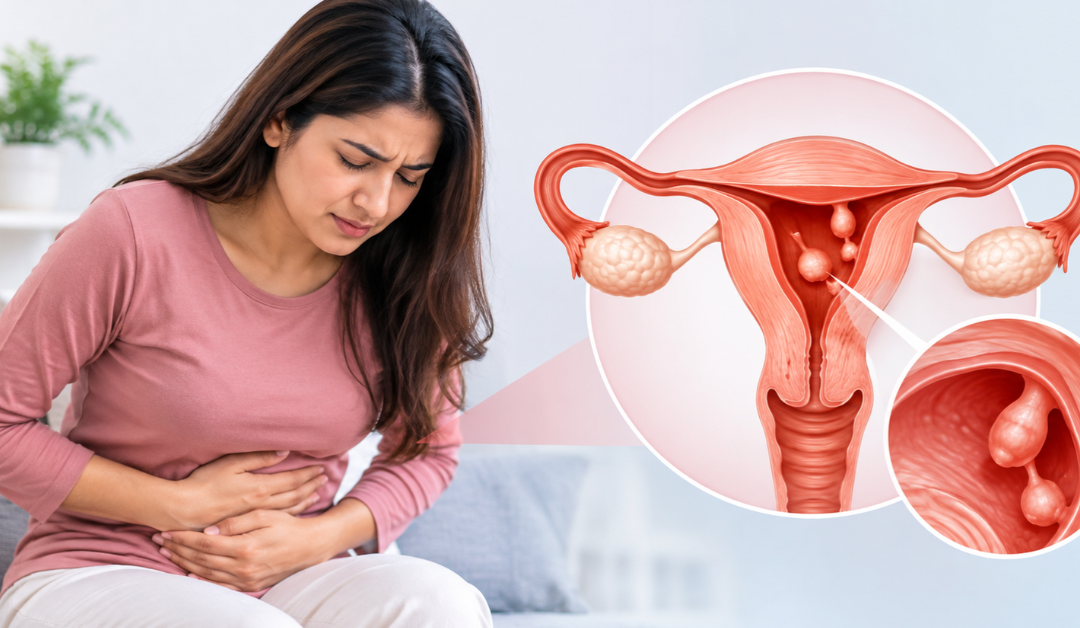
Bleeding between periods or after menopause can be worrying. The cause is usually harmless, but it should never be ignored. One of the more common and treatable causes is a small growth within the uterus.
What is a Polyp of the Uterus?
Polyp is soft growth attached to the inner wall of the uterus. It is when the lining grows out of control in one area. Polyps can be the size of a seed or a lemon, and a woman can have one or several.
Symptoms to Look Out For
- Heavy periods or irregular periods
- Bleeding following intercourse
Many polyps are found during routine scans and cause no symptoms.
Who is more likely to have them?
Polyps are more common in women between the ages of forty and fifty. High levels of estrogen, obesity, high blood pressure, and some medications for breast cancer can increase the chance.
How Doctors Identify Them
Usually, the first step is a transvaginal ultrasound.” We can do a saline-assisted scan for a better view of the cavity. The most accurate way is to use a small camera to look inside the uterus, which also allows for treatment at the same visit.
Treatment Options
Small asymptomatic polyps may be observed. Medications can stop the bleeding temporarily but will not get rid of the growth. The only definitive treatment is surgical removal, and the sample is sent to the lab to confirm its benignity.
For treatment of uterine polyp in Indore, select a center which has imaging and day-care surgery, so that diagnosis and removal can be done without long delays.
If you have unexplained bleeding, then you should visit a uterine polyp specialist in Indore and understand if the growth needs removal. Polyps rarely become cancerous, but it’s best to get them checked out.
Nov 16, 2026 | Gynecologic treatment
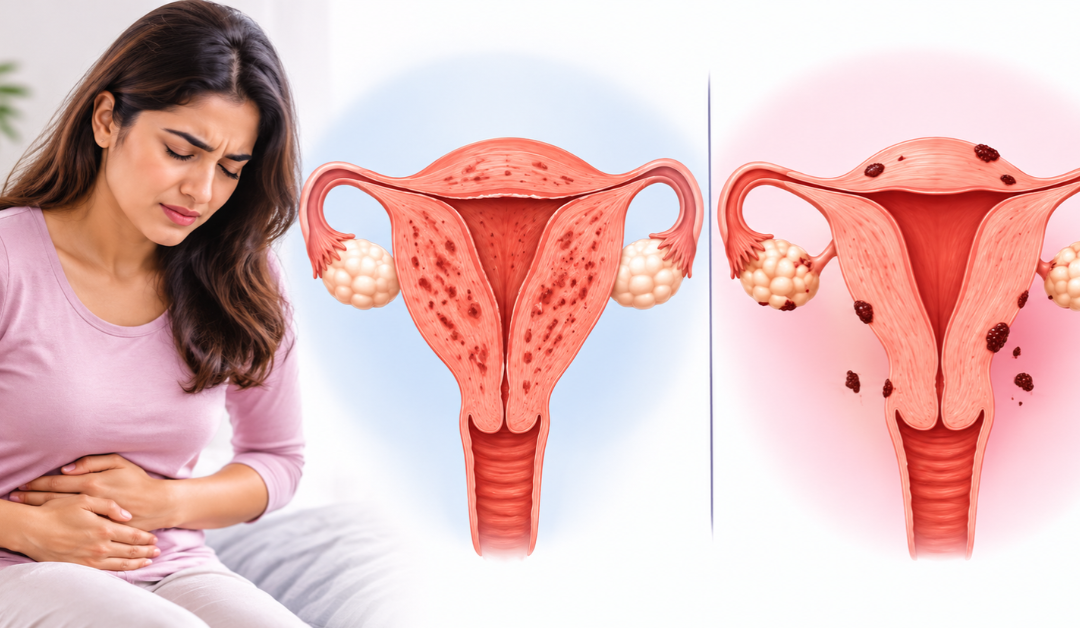
Both conditions cause painful periods, pelvic pain, and worry. The symptoms overlap so much that women are often told they have one when they have the other, or sometimes both.
What Makes the Core Different
The simplest way to distinguish them is by location. In adenomyosis, tissue that is like the lining grows in the muscle of the uterus. In endometriosis, similar tissue grows outside the uterus on the ovaries, fallopian tubes, bowels, or pelvic wall.
Where the symptoms differ
- Feature Adenomyosis Endometriosis
- Heavy periods Very common side effect.
- Pain pattern Enlarged uterus with cramping
- Deep pelvic pain, sometimes pain in the bowel or bladder
- Effect on fertility Often a big concern
How Confusion Is Made
Both can cause pain during sex, fatigue and cycles that feel unbearable. Or they may both appear at once. Only imaging and sometimes a laparoscopic examination can clearly differentiate them.
How They’re Diagnosed
Ultrasound or MRI will demonstrate ovarian cysts or changes in the uterine wall. A keyhole procedure allows the doctor to see the deposits and take a small piece if endometriosis is suspected.
Differences in Treatment
Both are treated with medicines, but the surgery is different. With endometriosis, removal of deposits and cysts is often required. Adenomyosis may require treatment of the uterine wall itself. Fertility plans play a big part in the decision.
Finding the Right Opinion
If you are comparing adenomyosis vs endometriosis, remember that the right answer lies in your own scans and history and not in a general list of symptoms.
If you already suspect the second condition, you can investigate endometriosis treatment in Indore, which ranges from hormonal therapy to laparoscopic surgery. A diagnosis is the first step to lasting relief.
Nov 14, 2026 | Gynecologic treatment
Periods in women in their 30s and 40s are often heavier and more painful than they used to be. They blame it on stress or age and move on. In some cases, the condition on the wall of the uterus is the silent culprit.
Understand the condition
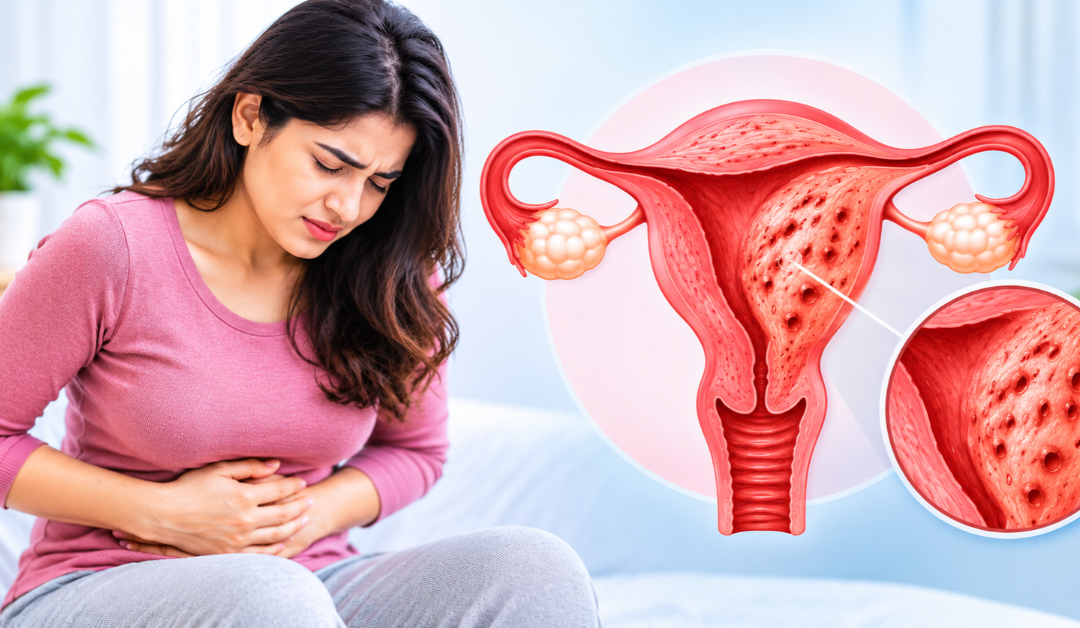
Adenomyosis is when the tissue that normally lines the uterus grows into the muscular wall of the uterus. This tissue thickens and bleeds with every cycle, but there is nowhere to go. The uterus gets bigger, becomes sore and crampy.
Common Symptoms
- Very long or extended periods of time
- Severe cramps that get worse over time
- A sensation of fullness or bloating in the lower abdomen
Some women have no symptoms at all, and the condition is found by accident on a scan.
How Is It Diagnosed
Usually, a transvaginal ultrasound is enough to suggest the diagnosis. If the picture is not clear, an MRI provides a finer detail of the uterine wall. Your doctor may also rule out fibroids, polyps and hormonal problems, which can look similar.
Therapeutic Possibilities
Treatment is selected according to your age, symptoms, and if you wish to have children.
- Medicines: Tablets to reduce inflammation can make pain better and hormonal options can reduce bleeding.
- Hormonal IUD: This can make your periods much lighter.
- Procedures: Some patients may benefit from uterine artery embolization or removal of the affected tissue.
- Hysterectomy: This is the last resort for women who have finished childbearing and have not found relief otherwise.
How to Find Help
Women seeking adenomyosis treatment in Indore should opt for a clinic that has good imaging facilities and experience in both medical and surgical management.
Also, it helps to consult an adenomyosis specialist in Indore who explains each option honestly and does not rush toward surgery. The long-term outcome is much better with careful individual planning.
Apr 18, 2026 | Gynecologic treatment
Most women still endure the heavy bleeding, pelvic pain or pain that may last long without seeking early attention. These concerns can be initially manageable, but eventually they start influencing the routine and energy levels. With increased awareness, there are a lot of people that search for laparoscopic hysterectomy in Indore to know whether there are any advanced treatments that can grant permanent relief.
The reason why decisions about treatment are delayed
The fear of surgery and confusion regarding modern surgery are often the causes of procrastinating decision making. Most people think that surgical care means prolonged recovery or significant change of lifestyle. But with the development of medical care, alternatives have become more comfortable and less time consuming. Gynecologic treatment in Indore assists in determining whether the disorder is to be treated by medication or a more formal method of treatment.
Symptoms that can suggest a need for advanced care
Some of these symptoms cannot be left long and in fact, when they start to influence the quality of life, it ought not to be overlooked. Identifying such trends aids in timely and informed decision-making.
Common signs noticed:
- Heavy or prolonged flow of menstruation.
- Constant pain in the lower abdomen.
- Common fatigue is a result of blood loss.
- Not responding to treatment with medication.
This prevents complications and enhances overall comfort.
Women are now more enlightened and receptive to learn their treatment choices. Many are opting to have timely assessments to prevent long term discomfort than delaying care. The study of laparoscopic hysterectomy as a component of gynecologic treatment in Indore will enable people to make better decisions and achieve a better health balance with assurance.
Frequently Asked Questions
Q. When should someone consider laparoscopic hysterectomy in Indore? Ans. Laparoscopic hysterectomy in Indore is considered when symptoms affect daily comfort.
Q. Can gynecologic treatment in Indore help avoid surgery? Ans. Gyneconcologic treatment in Indore helps evaluate suitable treatment options.
Q. Why do people consult gynec in Indore for uterus related concerns? Ans. Gynec in Indore helps assess condition and guide treatment.
Q. Is laparoscopic hysterectomy in Indore a safe option today? Ans. Laparoscopic hysterectomy in Indore is preferred due to minimal recovery time.
Q. How does gyneconcologic treatment in Indore support better outcomes? Ans. Gyneconcologic treatment in Indore helps manage symptoms effectively.