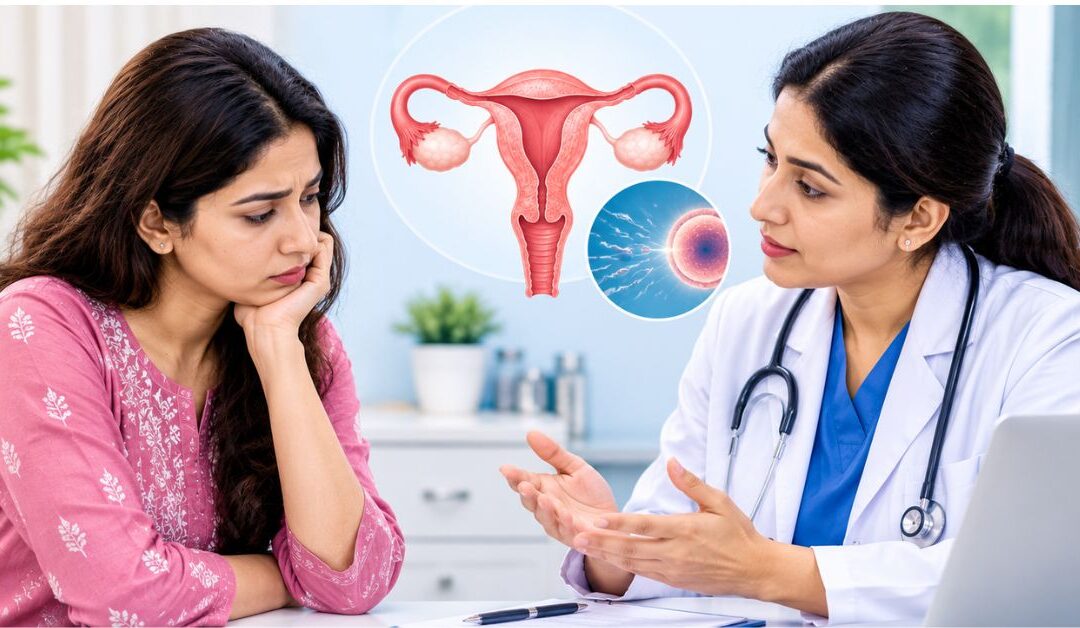
Nov 12, 2026 | Gynecologist
Many women get used to the pain that comes and goes in the lower abdomen. They think it is a heavy period or a bout of indigestion. Sometimes it is . But if the pain returns and makes it hard to work or to be comfortable with intimacy, your body is usually asking to be paid attention to.
What is Pelvic Pain?
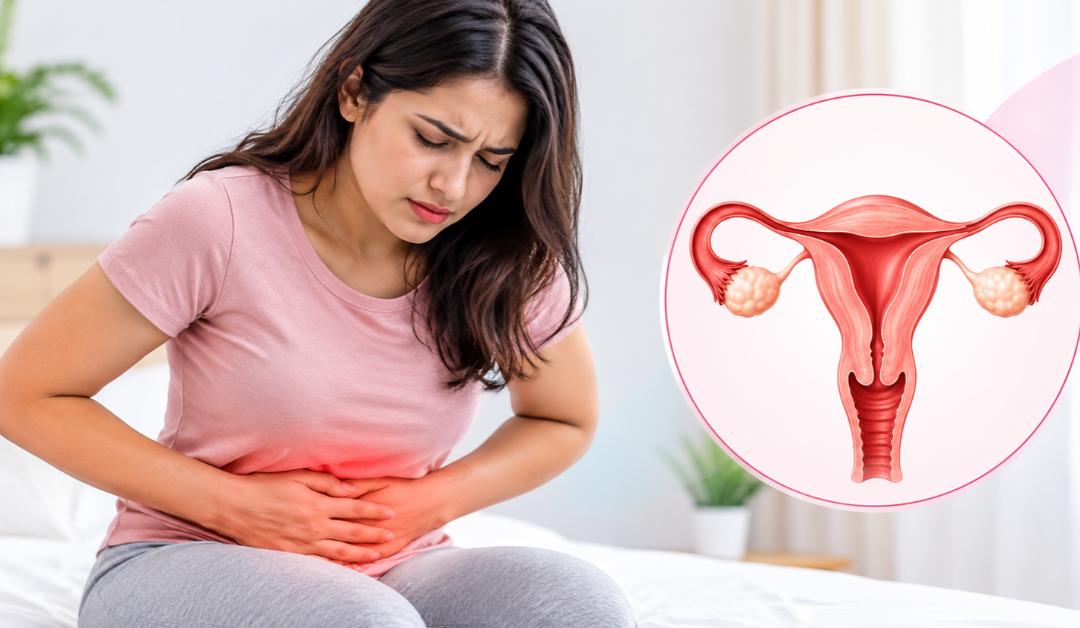
Pelvic pain is any pain you feel below your belly button and between your hips. The pain can radiate to the lower back or thighs. It can be sharp or dull and constant, or intermittent. Chronic pelvic pain is pain that continues for more than six months.
Common Gynecological Factors
- Endometriosis: Tissue like the lining of the uterus growing outside the uterus, causing painful periods and deep pelvic ache.
- Adenomyosis: When the uterus lining grows into the muscular wall, the uterus becomes tender and heavy.
- Fibroids and cysts: Fibroids and cysts can press on nearby organs, or twist and cause pressure or acute pain.
- Pelvic inflammatory disease: An infection of the reproductive organs that can cause a fever or an abnormal discharge.
- Pelvic adhesions: Scar tissue strings that pull the organs out of their normal position. They usually are due to surgery or infection.
Signs of Warning
Seek immediate medical attention if you experience sudden severe pain, pain with fever, vomiting or fainting, or heavy bleeding between periods. Also look for pain during sex, painful urination and bloating that persists.
Detection of the Cause of
The doctor will take a history and examine your pelvis. Usually, the first test is an ultrasound scan. Some women need an MRI, blood tests or a minimally invasive look inside the pelvis to confirm the diagnosis.
Getting The Proper Treatment
The cause will direct the treatment. Some women do well with medications and lifestyle changes, but others require a minor procedure. If you are a woman and looking for pelvic pain treatment in Indore, then you must choose a clinic which will investigate the reason for your pain and not just give you painkillers.
In case the pain lasts for months, you should get a Gynecologist consultation in Indore for pelvic pain. Early detection usually means easier treatment and faster relief.
Nov 10, 2026 | Gynecologist
Painful periods are often dismissed as “normal”, and many women endure them for years. Severe cramps, pain during sex or trouble getting pregnant? Together they may mean something more specific is going on. One possibility is endometriosis.
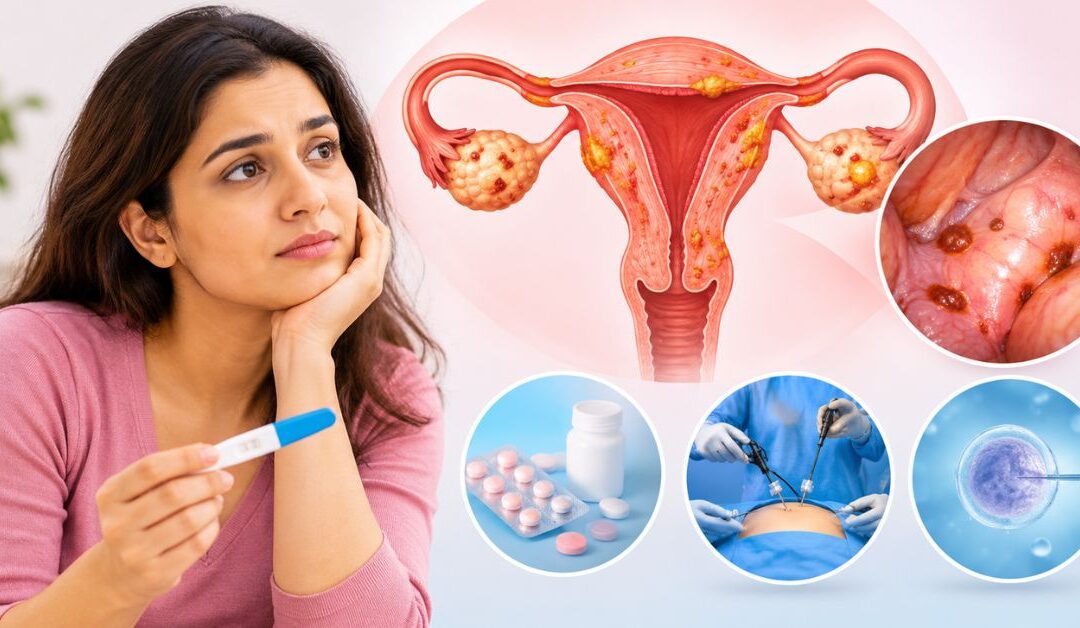
In this condition, tissue similar to the uterine lining grows outside the uterus, usually on the ovaries, tubes, and pelvic surfaces. It reacts to hormones every month and causes inflammation, scarring, and sometimes cysts. These changes can disturb the pelvic anatomy and affect the quality of the eggs and implantation, which is why it is associated with difficulty in conceiving.
Diagnosis involves history and physical exams, followed by ultrasound or MRI. The best way to confirm the disease and stage is keyhole operation. If you are looking for endometriosis treatment Indore, the first thing to understand is that there isn’t one size fits all approach.
Hormonal medicines can reduce pain and slow the disease in women who do not intend to have children soon. But they do not help conception and are usually stopped when a woman wants to try. If you are trying to conceive, surgical removal of the deposits and cysts may be an option. This can improve natural chances in mild to moderate disease. Alternatively, assisted methods may be considered such as IUI or IVF. Large ovarian cysts need careful management, as too much surgery can affect the ovarian reserve.
A doctor for endometriosis and infertility in Indore will consider your age, symptoms, egg reserve and duration of trying before recommending a course. Some think a brief period of trying naturally after surgery is reasonable, while others think moving straight to IVF saves precious time.
Daily life can be made easier by pain management, healthy eating habits, gentle exercise, good sleep, and medical care. Support for your partner and family is also important.
“It is a long-term condition, but it can be managed.” With the right plan, many women go on to conceive and have healthy pregnancies.
Nov 8, 2026 | Gynecologist
Each month an egg will travel down a fallopian tube, meet a sperm there, and then move on to the uterus. If the tube is blocked the meeting just can’t happen. Many women don’t find out until they have been trying for months, because a blockage rarely gives obvious symptoms.
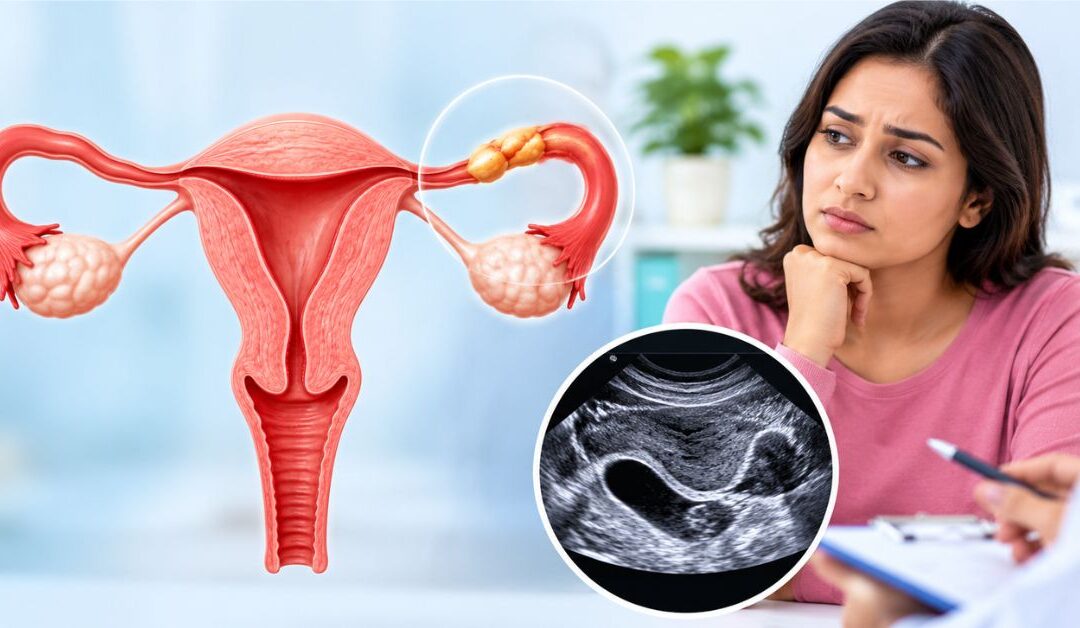
It can be caused by a number of things. Common causes include previous pelvic infection, genital tract tuberculosis, endometriosis, previous abdominal or pelvic surgery, and previous ectopic pregnancy. Sometimes one tube is affected, sometimes both, and the prognosis accordingly.
The diagnosis usually begins with a test called an HSG, where dye is run through the uterus and X-ray images are taken. There is also a sonography-based version. If the results are unclear, or the doctor wants to see the pelvis in person, a keyhole examination with a dye check may follow. Women, who are concerned about a possible blockage, often search for blocked fallopian tubes treatment in Indore after an HSG report says “non-spillage” of dye.
Treatment depends on where the blockage is and how damaged the tube is. Sometimes a gentle flush technique can clear a small blockage near the uterus. Laparoscopy can be used to release the adhesions around the tube. Doctors might suggest removing or sealing off a closed and swollen tube end, since fluid may decrease chances of IVF success if it stays in the tube. IVF is often the most practical option if the tubes are severely damaged, as it bypasses them altogether.
The fallopian tube blockage doctor in Indore you choose should be a doctor who explains these possibilities without trying to push you in one direction. The plan is influenced by age, ovarian reserve, your partner’s reports, and how long you have been trying.
One important point is that if you ever have sudden one-sided pelvic pain or irregular bleeding with a positive pregnancy test, seek medical attention immediately, as damaged tubes raise the risk of ectopic pregnancy.
Nov 6, 2026 | Gynecologist
The uterus is where a pregnancy settles and grows, yet it is often overlooked in the early stage of fertility testing. A small growth, a little scar tissue, an odd shape can be silently interfering with implantation, even when ovulation and hormones are perfectly normal.
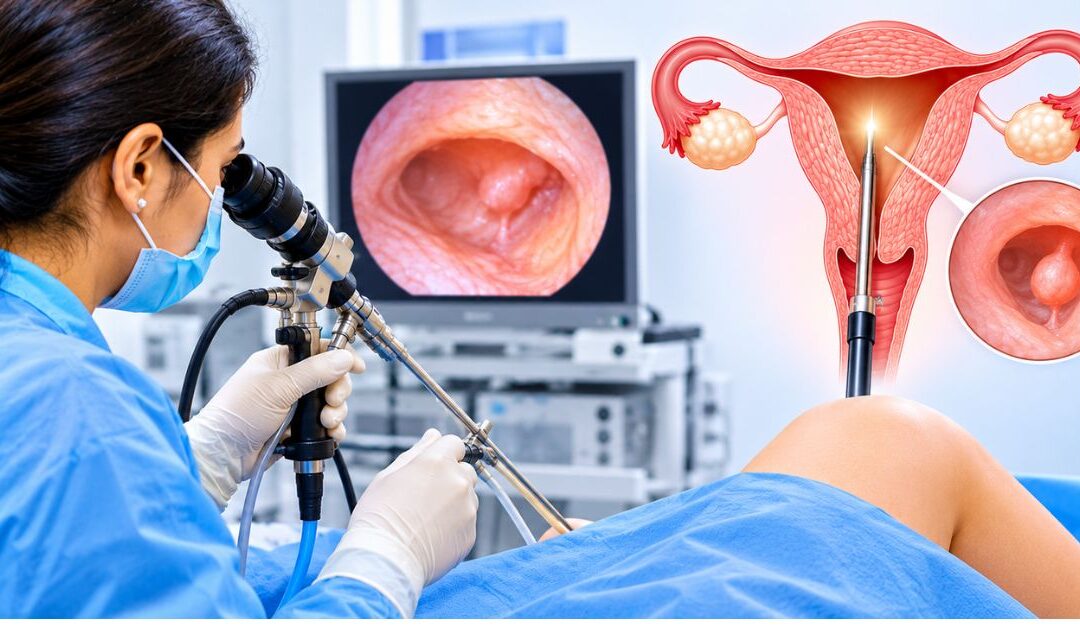
In a hysteroscopy the doctor can look directly inside the uterine cavity. A thin tube with a light and a camera is passed through the vagina and cervix, so no cuts are needed on the abdomen. The images are displayed on a monitor for a clear view in real time. Many women ask about hysteroscopy in Indore, if scans suggest unclear findings inside the womb.
So, what does it test for? The doctor examines the lining of the uterus, the shape of the cavity, and the openings of the fallopian tubes. Common findings include endometrial polyps, small fibroids pushing into the cavity, intrauterine adhesions, a septum (a wall dividing the cavity) and sometimes retained tissue after a miscarriage. Several of these can be treated at the same procedure saving the patient for a second surgery.
The test is advised when a woman has repeated failed IVF cycles, recurrent miscarriages, abnormal bleeding or a suspicious ultrasound or HSG report. Couples looking for hysteroscopy for infertility in Indore are often in this exact situation, wanting a closer look before moving to the next treatment.
Timing is usually just after a period ends when the lining is thin, and the view is best. Some patients require only light sedation or light anesthesia. It is normal to experience cramping like period pain and a little spotting for a day or two. Most women return to their normal jobs soon.
Complications are rare, but your doctor should tell you what they are and what will happen if a problem occurs. Because the procedure answers a very specific question about the uterus, it can help the team plan treatment with more confidence and take the guesswork out.
Nov 2, 2026 | Health
It can be exhausting waiting month after month for a positive pregnancy test. Many women blame themselves. Many couples quietly postpone getting help because they are not sure if their situation is “serious enough.” The truth is that timing is important and asking questions early seldom does any harm.
In general, if a woman is less than 35 years old and has had regular unprotected intercourse for one year and has not become pregnant, she should see a specialist. If you are over 35, six months is a reasonable limit. If you are known to have problems, you shouldn’t wait that long at all. If you have irregular or absent periods, very painful periods, a history of pelvic infection, previous abdominal surgery, thyroid disorders, or repeated miscarriages, book an appointment earlier. In such cases, searching for an infertility doctor in Indore is a sensible step.
The first appointment is mostly a lot of talking about. The doctor will ask about your cycles, medical history, lifestyle, and how long you have been trying to conceive. The usual next steps are a pelvic ultrasound, hormone tests, and checking the uterus and tubes. A semen analysis of your partner is also important, as in about a third of cases the cause is related to the male.
The good news for many couples is that treatment doesn’t always mean something complicated. Ovulation problems can often be corrected with drugs. Thyroid issues, PCOS, and weight fluctuations can be dealt with. If there is a blockage in the tubes or a structural problem in the uterus, a minimally invasive procedure may be suggested. Instead of rushing for costly options, a gynecologist for female infertility in Indore who explains every step, makes the journey less stressful.
Here are some everyday habits that help too: keep track of your periods, avoid smoking and excess caffeine, get enough sleep, and eat a well-rounded diet. They are not substitutes for medical care, but they do support it.
And finally, remember that infertility is a medical condition, not a personal failure. Asking for help is a responsible thing to do. The sooner you find the cause, the more options you will have.”