Nov 24, 2026 | Laparoscopic Hysterectomy
Not every woman with scar tissue in the pelvis requires an operation. Your choice depends on how much the symptoms interfere with everyday life, and on what the tests show.
When surgery is helpful
- Chronic pelvic pain despite medicines and physiotherapy
- Blocked or distorted tubes-related infertility
- Pain during sex affecting relationships and wellbeing
- Recurrence of intestinal obstruction due to bands
- Adhesions associated with endometriosis or cysts
When Waiting Is Just Right
If the adhesions are found incidentally and cause no discomfort, observation is usually adequate. Surgery also has its own risk of creating new scar tissue and is not done without a reason.
How the Procedure is Performed
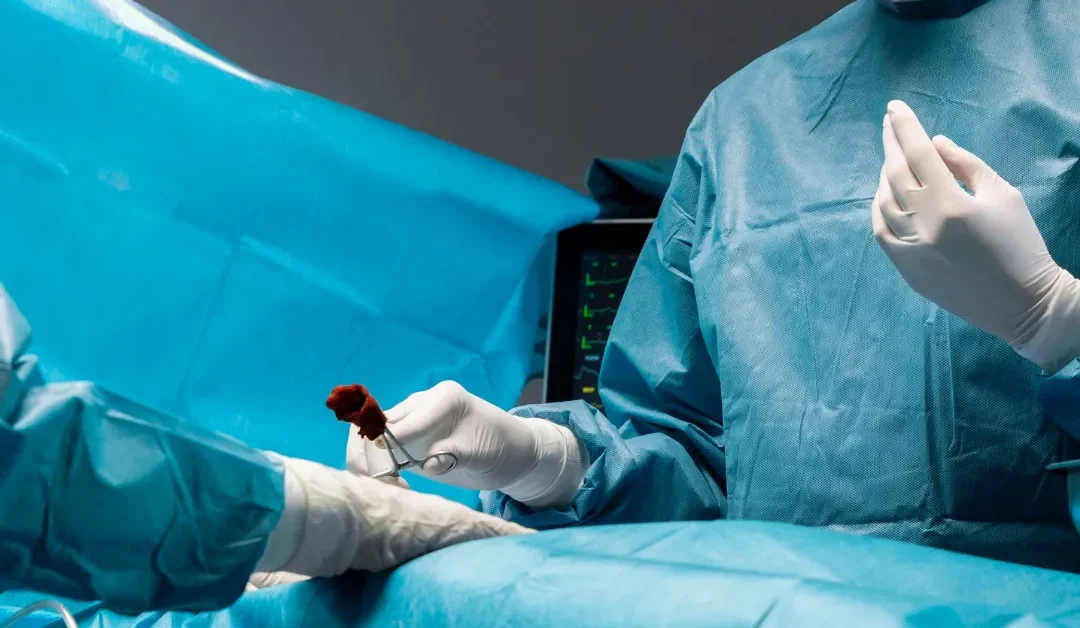
Under general anesthesia, the surgeon makes two to four small cuts of around half a centimeter. Insert camera and delicate instruments. The adhesive bands are cut with scissors or gentle energy, and the organs are carefully separated.
Benefits Compared with Open Surgery
- Hospital stays, typically one or two days
less likely to cause new adhesions in many cases
Expectations for Recovery
Most women walk the same night. The pain from the gas used in surgery usually settles in a day or two. Work in the office can usually be resumed in a week, but you should wait about two to three weeks before lifting heavy objects.
Selecting the Surgeon
Women considering laparoscopic surgery for pelvic adhesions in Indore should ask how often the surgeon does this specific operation.
Many also prefer consulting laparoscopic gynecologists in Indore as keyhole training directly affects safety and results.
Nov 22, 2026 | Gynecologic oncologist
Imagine tissues in your abdomen that are supposed to slide over each other, rather than stick to each other. That sticking is what causes the pulling, dragging pain that a lot of women describe after surgery or infection.
What are Adhesions?
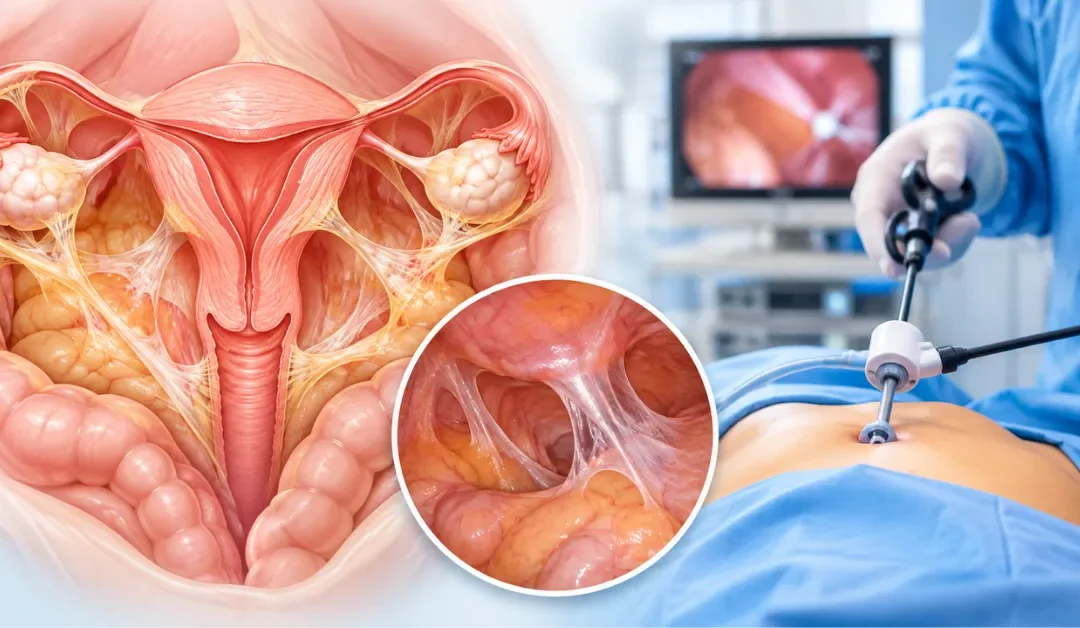
Adhesions are bands of scar tissue that form between organs such as the uterus, ovaries, tubes, and bowels. They can be thin as a film or thick and dense.
Why They Evolve
- Previous abdominal or pelvic surgery including Cesarean Section
- Ruptured appendix or inflammatory bowel disease
Side effects of radiotherapy
Most adhesions are benign. When they do, women notice.
- Chronic pelvic pain that changes with movements or postures
- Difficulty in conception if the tubes or ovaries are involved.
- Bloating, constipation, or, rarely, bowel obstruction Diagnosis
Adhesions are not seen clearly on standard scans. They are suspected by doctors from history and confirmed by camera examination through small cuts in the abdomen.
Management
Painkillers and physiotherapy help temporarily but do not remove bands. The definitive treatment is keyhole surgery to cut the adhesions, called adhesiolysis. It releases the organs; eases pain and can restore fertility.
Seeking Care
Indore has many women who come for treatment of pelvic adhesions, and they need to find a gynecologist in Indore who has handled complicated pelvic cases and who discusses the chances of the bands coming back.
If surgery is recommended, ask about pelvic adhesion surgery in Indore from a center that uses modern laparoscopic equipment and careful techniques to reduce new scarring.
Adhesion is common and manageable. Early assessment can prevent months of unexplained pain.
Nov 20, 2026 | Gynecologic treatment
For many women the word “surgery” is a source of anxiety, especially when the problem is inside the uterus. The good news is that most polyps can now be treated without a single cut on the abdomen.
Hysteroscopy is a procedure that involves looking inside the uterus using a hysteroscope, a thin telescope-like instrument.
A hysteroscope is a small tube with a camera and light at the end. It goes through the vagina and cervix into the uterus so the doctor can see the cavity on the screen. You don’t have to cut it.
Why It Is Good for Polyps
Polyps are not visible in the uterine cavity and can be missed or poorly measured by ultrasound. The doctor can see straight and confirm the size and location and remove the growth at the same time.
Getting ready for
You may be told not to eat for several hours.
The best time to schedule the procedure is just after your period ends, when the lining is thin.
If you are taking blood thinners or have any allergies, tell your doctor.
The Process
The level of anesthesia can range from light sedation to general depending upon the case and your comfort. It usually takes between fifteen and thirty minutes. The polyp is cut or shaved off with fine instruments, and the tissue is sent for testing.
Recovery
Most women go home the same day. A few days of mild cramping and light spotting is normal. Rest for a day, avoid intercourse and tampons for about a week, and call your doctor if you notice fever, heavy bleeding or foul discharge.
Pros and Cons
Advantages include no visible scar, rapid recovery, improved patterns of bleeding, and fertility. The risks are rare and include infection, bleeding, and very rarely a small tear in the wall of the uterus.
Deciding Where to Go
If you are considering hysteroscopy in Indore, ask the surgeon how many of these procedures he does and what equipment he uses.
For women needing hysteroscopic polyp removal in Indore, the day-care visit is short and well planned, and most women are back to regular activity within two days.
Nov 16, 2026 | Gynecologic treatment
Both conditions cause painful periods, pelvic pain, and worry. The symptoms overlap so much that women are often told they have one when they have the other, or sometimes both.
What Makes the Core Different
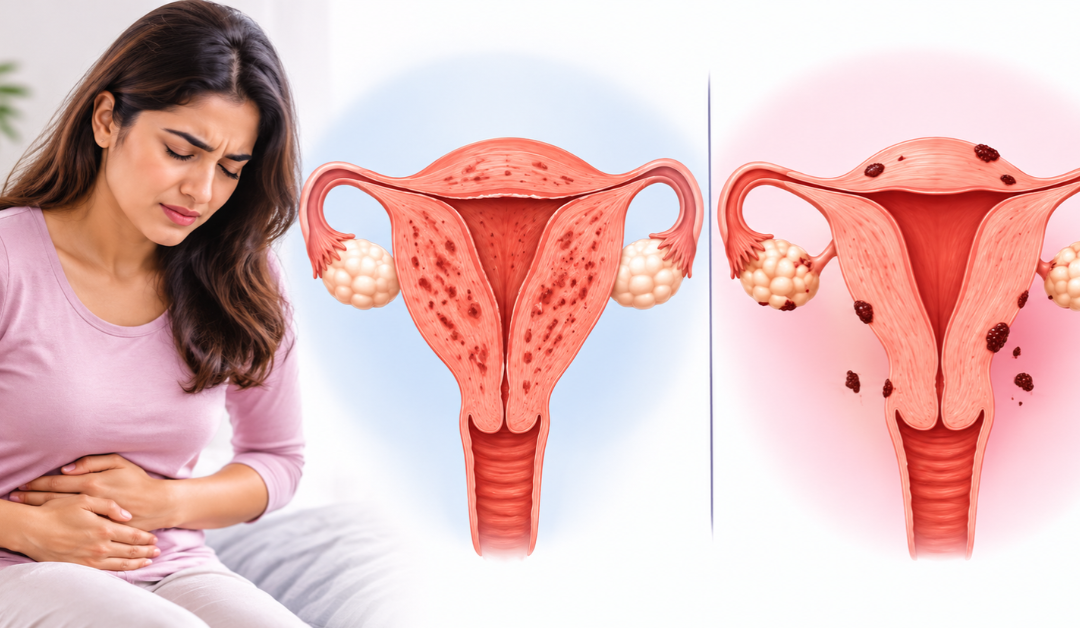
The simplest way to distinguish them is by location. In adenomyosis, tissue that is like the lining grows in the muscle of the uterus. In endometriosis, similar tissue grows outside the uterus on the ovaries, fallopian tubes, bowels, or pelvic wall.
Where the symptoms differ
- Feature Adenomyosis Endometriosis
- Heavy periods Very common side effect.
- Pain pattern Enlarged uterus with cramping
- Deep pelvic pain, sometimes pain in the bowel or bladder
- Effect on fertility Often a big concern
How Confusion Is Made
Both can cause pain during sex, fatigue and cycles that feel unbearable. Or they may both appear at once. Only imaging and sometimes a laparoscopic examination can clearly differentiate them.
How They’re Diagnosed
Ultrasound or MRI will demonstrate ovarian cysts or changes in the uterine wall. A keyhole procedure allows the doctor to see the deposits and take a small piece if endometriosis is suspected.
Differences in Treatment
Both are treated with medicines, but the surgery is different. With endometriosis, removal of deposits and cysts is often required. Adenomyosis may require treatment of the uterine wall itself. Fertility plans play a big part in the decision.
Finding the Right Opinion
If you are comparing adenomyosis vs endometriosis, remember that the right answer lies in your own scans and history and not in a general list of symptoms.
If you already suspect the second condition, you can investigate endometriosis treatment in Indore, which ranges from hormonal therapy to laparoscopic surgery. A diagnosis is the first step to lasting relief.
Nov 14, 2026 | Gynecologic treatment
Periods in women in their 30s and 40s are often heavier and more painful than they used to be. They blame it on stress or age and move on. In some cases, the condition on the wall of the uterus is the silent culprit.
Understand the condition
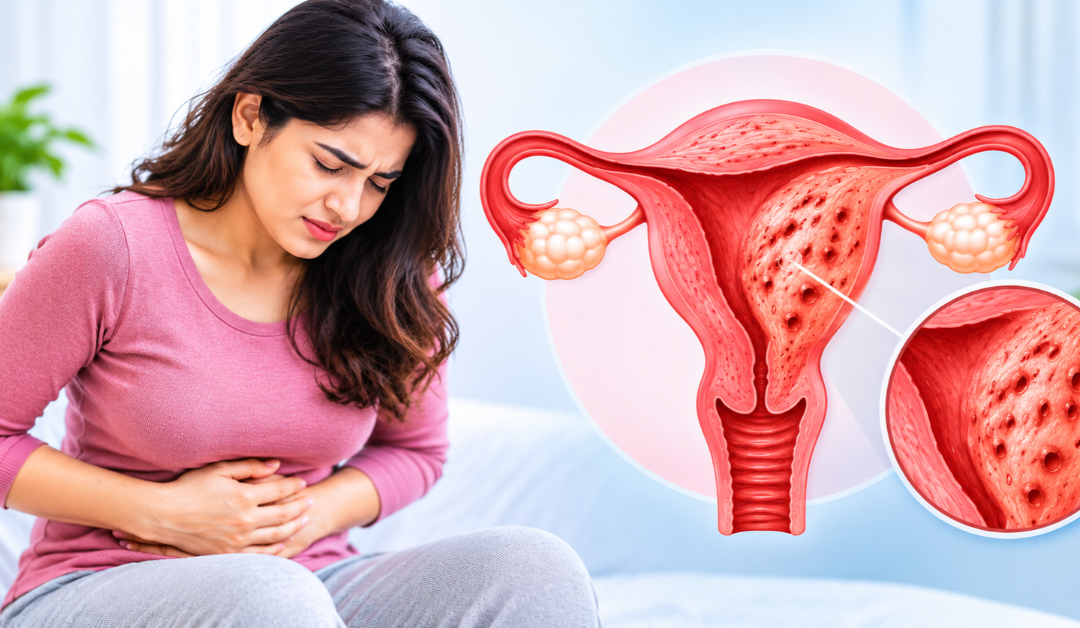
Adenomyosis is when the tissue that normally lines the uterus grows into the muscular wall of the uterus. This tissue thickens and bleeds with every cycle, but there is nowhere to go. The uterus gets bigger, becomes sore and crampy.
Common Symptoms
- Very long or extended periods of time
- Severe cramps that get worse over time
- A sensation of fullness or bloating in the lower abdomen
Some women have no symptoms at all, and the condition is found by accident on a scan.
How Is It Diagnosed
Usually, a transvaginal ultrasound is enough to suggest the diagnosis. If the picture is not clear, an MRI provides a finer detail of the uterine wall. Your doctor may also rule out fibroids, polyps and hormonal problems, which can look similar.
Therapeutic Possibilities
Treatment is selected according to your age, symptoms, and if you wish to have children.
- Medicines: Tablets to reduce inflammation can make pain better and hormonal options can reduce bleeding.
- Hormonal IUD: This can make your periods much lighter.
- Procedures: Some patients may benefit from uterine artery embolization or removal of the affected tissue.
- Hysterectomy: This is the last resort for women who have finished childbearing and have not found relief otherwise.
How to Find Help
Women seeking adenomyosis treatment in Indore should opt for a clinic that has good imaging facilities and experience in both medical and surgical management.
Also, it helps to consult an adenomyosis specialist in Indore who explains each option honestly and does not rush toward surgery. The long-term outcome is much better with careful individual planning.