Oct 29, 2026 | Gynecologist
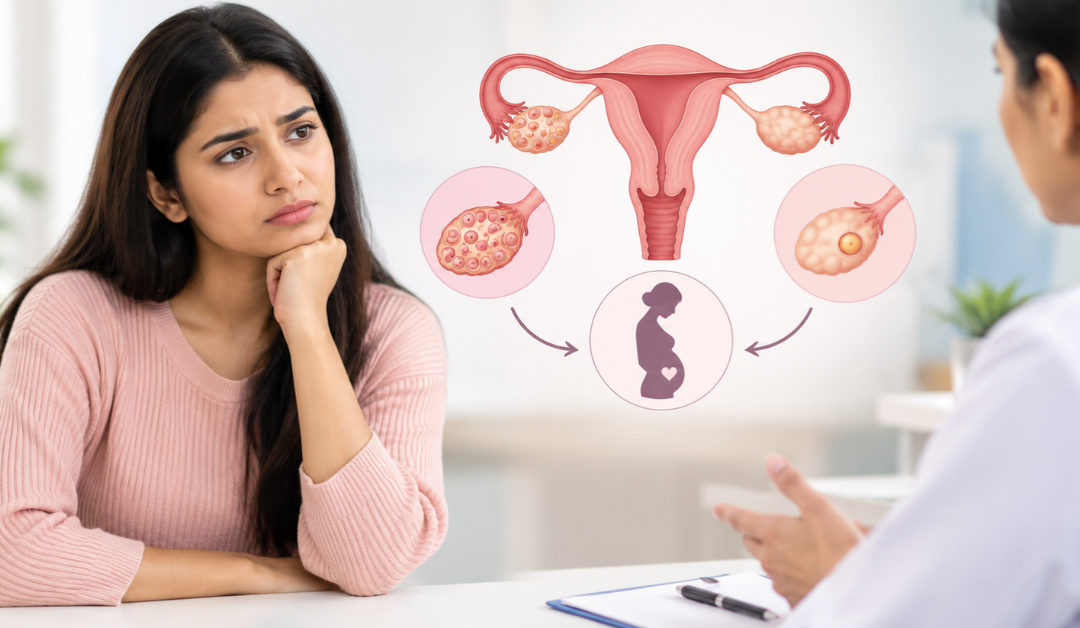
Polycystic Ovary Syndrome (PCOS) is a common hormonal disorder affecting a woman’s menstrual cycle, ovulation and fertility. Women with PCOS may experience irregular periods, acne, extra facial hair or weight changes. But the symptoms and their severity vary from person to person. Proper medical guidance can help many women with PCOS to get pregnant.
How PCOS Affects Fertility?
With PCOS, the ovaries don’t regularly release an egg. This is ovulation, which is necessary for natural conception. If you have irregular ovulation or no ovulation at all, it’s hard to predict your fertile days and you may take longer to get pregnant.
Hormonal imbalances and changes in insulin levels are also thought to cause symptoms of PCOS. But not all women with PCOS have trouble trying to get pregnant and it does not mean that pregnancy is impossible.
When should you see a gynecologist?
If you have missed periods, irregular periods, or have trouble getting pregnant, you might want to consider seeing a gynecologist. This may include menstrual history, blood tests and ultrasound examination when appropriate. These tests help find hormonal problems and decide on treatment.
Instead of self-medicating or using unproven fertility supplements, women trying to become pregnant should discuss their reproductive goals with their doctor.
Treatment for PCOS and Fertility Help
Treatment for PCOS depends on the woman’s symptoms and her desire to become pregnant at this time. Lifestyle modifications including healthy eating, regular physical activity, and weight management if appropriate may help support hormonal and metabolic health.
If you want to get pregnant, a doctor may suggest ovulation-inducing medicine or other fertility treatments, depending on the evaluation. Individualization of all treatment.
Women looking for pcos treatment in Indore can visit a trained gynecologist for assessment and personalized treatment plan. A gynecologist Indore can also help to investigate other possible causes of irregular periods or difficulty conceiving.
In selected cases additional investigation or surgery may be considered. PCOS is not an indication for laparoscopy, but if some other surgical indication is found then a laparoscopic surgeon in Indore can be consulted.
PCOS can affect fertility, mainly by causing irregular ovulation, but many women with PCOS are able to become pregnant with the right treatment. Early diagnosis, accurate diagnosis and a tailored treatment plan can help women make informed choices regarding their reproductive health.
Oct 28, 2026 | breast cancer
एचसीजी कैंसर सेंटर की ब्रेस्ट कैंसर अवेयरनेस पहल
घर की जिम्मेदारियाँ, ऑफिस का काम, परिवार की देखभाल — इन सबके बीच हम महिलाएँ अक्सर सब कुछ याद रखती हैं। लेकिन क्या आपको अपनी सेहत याद है?
आज हम आपसे एक सीधा-सा सवाल पूछ रहे हैं: “लेफ्ट-राइट, चेक किया क्या?”
ब्रेस्ट कैंसर अवेयरनेस का असली मतलब क्या है?
ब्रेस्ट कैंसर अवेयरनेस का मतलब सिर्फ जानकारी रखना नहीं है। इसका मतलब है:
- अपने शरीर में होने वाले बदलावों को पहचानना
- कुछ भी असामान्य लगे तो समय पर डॉक्टर की सलाह लेना
अपने शरीर को सबसे अच्छी तरह आप ही जानती हैं। इसलिए किसी भी बदलाव को सबसे पहले आप ही नोटिस कर सकती हैं।
हर गाँठ कैंसर नहीं होती, लेकिन जाँच जरूरी है
यह बात याद रखना बेहद जरूरी है: हर गाँठ कैंसर की नहीं होती। लेकिन हर नए या संदिग्ध बदलाव की जाँच जरूर होनी चाहिए। डर कर टालने से बेहतर है कि समय पर जाँच करवाकर निश्चिंत हो जाएँ।
इसीलिए अपनी बॉडी के सामान्य रूप को समझना पहला कदम है। जब आपको पता होगा कि “नॉर्मल” क्या है, तभी आप किसी भी बदलाव को तुरंत पहचान पाएँगी।
अर्ली डिटेक्शन क्यों है सबसे अहम?
बीमारी का जल्दी पता चलने पर इलाज के विकल्प ज्यादा होते हैं और नतीजे बेहतर हो सकते हैं। यही वजह है कि अर्ली डिटेक्शन को ब्रेस्ट कैंसर की लड़ाई में सबसे मजबूत हथियार माना जाता है।
सिर्फ सेल्फ-चेकअप पर निर्भर न रहें
सेल्फ-एग्जामिनेशन एक अच्छी आदत है, लेकिन यह अकेला काफी नहीं है। अपनी उम्र और रिस्क फैक्टर्स के अनुसार:
- डॉक्टर से क्लिनिकल एग्जामिनेशन करवाएँ
- डॉक्टर की सलाह से मैमोग्राफी करवाएँ
आपके लिए कब और कितनी बार स्क्रीनिंग सही रहेगी, यह तय करने में आपका डॉक्टर आपकी मदद करेगा।
आज ही उठाइए पहला कदम
अपनी सेहत को प्राथमिकता देना स्वार्थ नहीं है — यह अपने परिवार के प्रति भी आपकी जिम्मेदारी है। आज ही:
- अपने आप से पूछिए: क्या मैंने खुद को चेक किया?
- अपनों से पूछिए: क्या उन्होंने अपनी जाँच करवाई?
- कोई भी बदलाव दिखे तो बिना देर किए डॉक्टर से मिलिए
- अपनी उम्र और रिस्क के अनुसार स्क्रीनिंग के बारे में डॉक्टर से बात कीजिए
एचसीजी कैंसर सेंटर आपको याद दिलाता है कि जागरूकता, समय पर स्क्रीनिंग और शुरुआती मेडिकल सलाह — यही तीनों मिलकर फर्क पैदा करते हैं।
तो आज ही अपनी ब्रेस्ट हेल्थ के लिए कदम उठाइए। और हाँ, लेफ्ट-राइट करना न भूलिए!
डिस्क्लेमर: यह लेख केवल जागरूकता के उद्देश्य से है और चिकित्सकीय सलाह का विकल्प नहीं है। किसी भी चिंता की स्थिति में अपने डॉक्टर से परामर्श करें।
Oct 27, 2026 | pcod treatment
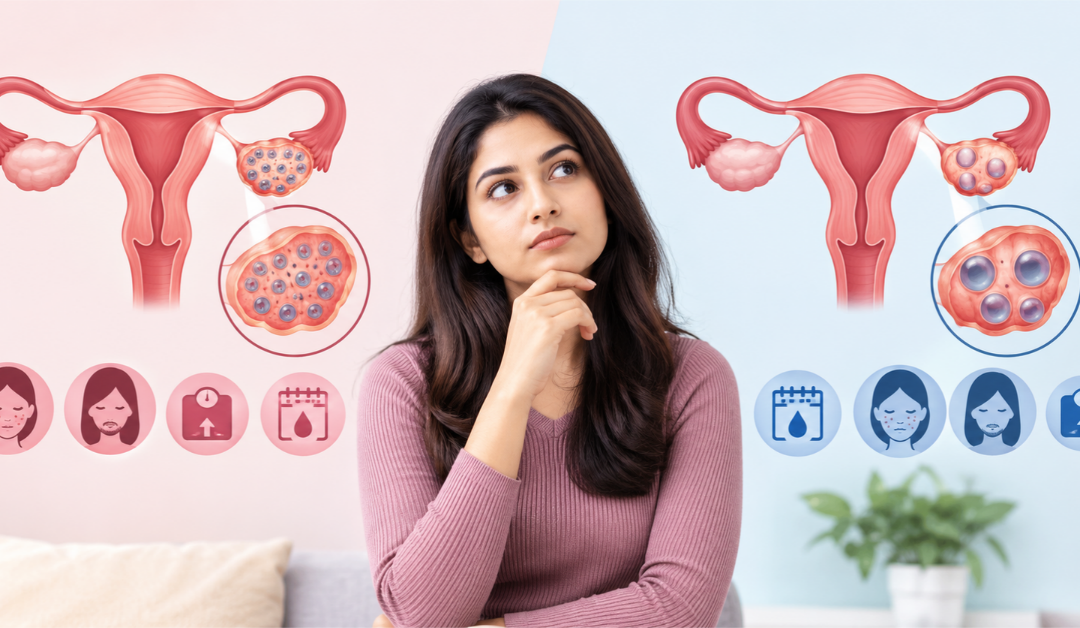
PCOS and PCOD are often used interchangeably but they are not the same. Knowing the differences can help you understand your diagnosis and treatment better.
What is a PCOD?
Polycystic ovarian disease is a condition in which the ovaries release a lot of immature or partially mature eggs which can form cysts. Very common, usually linked to hormonal imbalance, often controllable with lifestyle changes. Fertility is generally less impacted.
What is Polycystic Ovary Syndrome (PCOS)?
Polycystic ovary syndrome is a more complex metabolic and hormonal disorder. It is characterized by high levels of androgens (male hormones), irregular or absent ovulation and frequently insulin resistance. It can affect several systems and is more closely linked to long-term health risks, such as diabetes and heart disease.
The main differences PCOD is common
- PCOS is less common but more serious.
- PCOD is a mild form and can be reversed by lifestyle changes whereas PCOS requires long-term management.
- Pregnancy is usually easier with PCOD; PCOS might need medical help.
Typical Symptoms
Both can lead to irregular periods, weight gain, acne, extra hair on the face or body, thinning hair on the scalp, dark patches of skin, and mood changes.
Diagnosis of disease
The doctor may do ultrasounds, hormone tests, blood sugar and insulin levels, and thyroid tests. Diagnosis usually involves at least two of three things: irregular ovulation, signs of excess androgens and polycystic-appearing ovaries.
Women looking for PCOS treatment in Indore can anticipate a treatment plan which will take care of cycle regulation, skin and hair issues, weight and metabolic health under one roof.
Treatment Choices
- Lifestyle changes: Healthy diet, regular physical activity, and even modest weight loss
- Hormonal pills: Control cycles, decrease effects of androgens
- Metformin: Helps for insulin resistance
- Anti-androgens: Decrease hair growth and acne
- Fertility drugs: When you’re trying to conceive
Helpful Daily Habits
Choose whole grains, protein and veggies, limit sugary foods, sleep well, and manage stress. Even a half hour walks most days make a difference.
Don’t Overlook It.
If left unmanaged, these conditions can affect health in the long run. A qualified PCOS specialist in Indore can confirm which condition you have, clearly explain your risks, and create a personalized program that supports your hormones, your appearance and your long-term health.
Oct 25, 2026 | Gynecologist
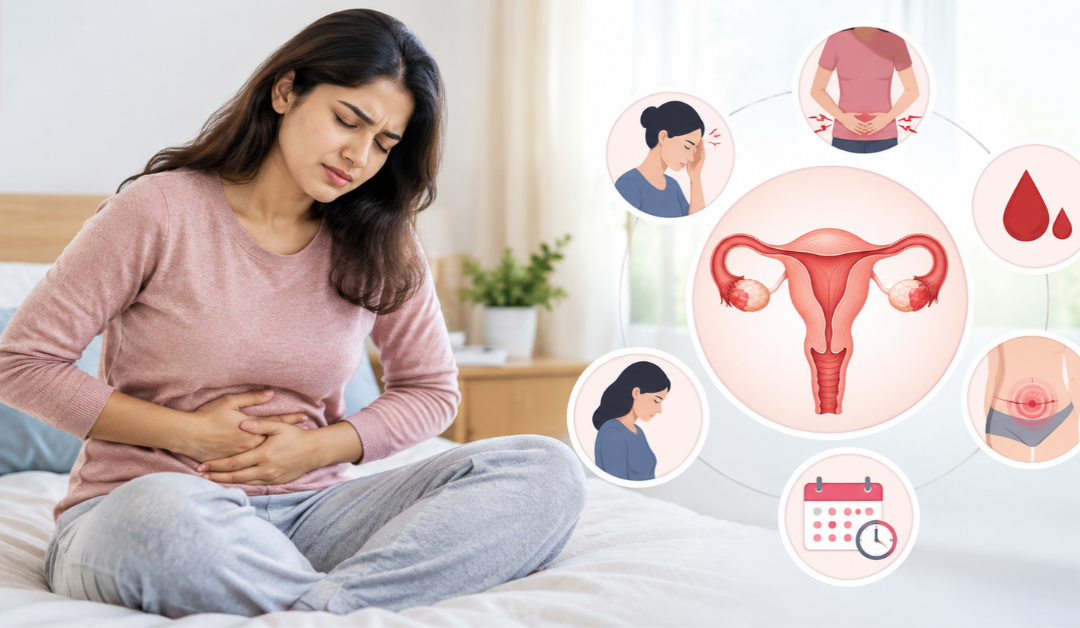
Cramping during your period is normal, but you don’t have to suffer through pain that causes you to miss school, work, or sleep. Knowing the difference can help you act when it matters.
Normal Pain vs Pain that may be Concerning Primary dysmenorrhea is common crampy pain from uterine contractions. It often begins a day or two prior to the bleeding and lasts for several days. Secondary dysmenorrhea is pain caused by an underlying condition and often becomes progressively worse over time or starts later in life.
Conditions Associated with Severe Pain
- Endometriosis Tissue growing outside the uterus
- Adenomyosis: Tissue that grows into the wall of the uterus
- Fibroids are tumors that cause pressure and heavy flow.
- Pelvic inflammatory disease: genital tract infection
- Ovarian cysts – some types cause cyclical pain
Red Flags
If you notice: See your doctor
- Pain that just keeps getting worse every cycle
- Cramps that do not respond to OTC pain relievers
- Bleeding heavily or with large clots Pain
- Pain with intercourse or bowel movements
- Fever or abnormal discharge
If these seem familiar, then you can visit Painful Periods Treatment in Indore and find out the reason instead of hiding it with repeated painkillers.
How Doctors Find the Cause
The evaluation generally includes a detailed history, a pelvic exam, and an ultrasound. If necessary, MRI or diagnostic laparoscopy can provide further information.
Treatment Options For normal cramps, anti-inflammatory drugs, heat therapy and hormone pills are usually effective. If secondary causes are present, treatment is aimed at the underlying problem and may include hormonal therapy or surgery.
Self-care to support relief
Oct 23, 2026 | Gynecologist
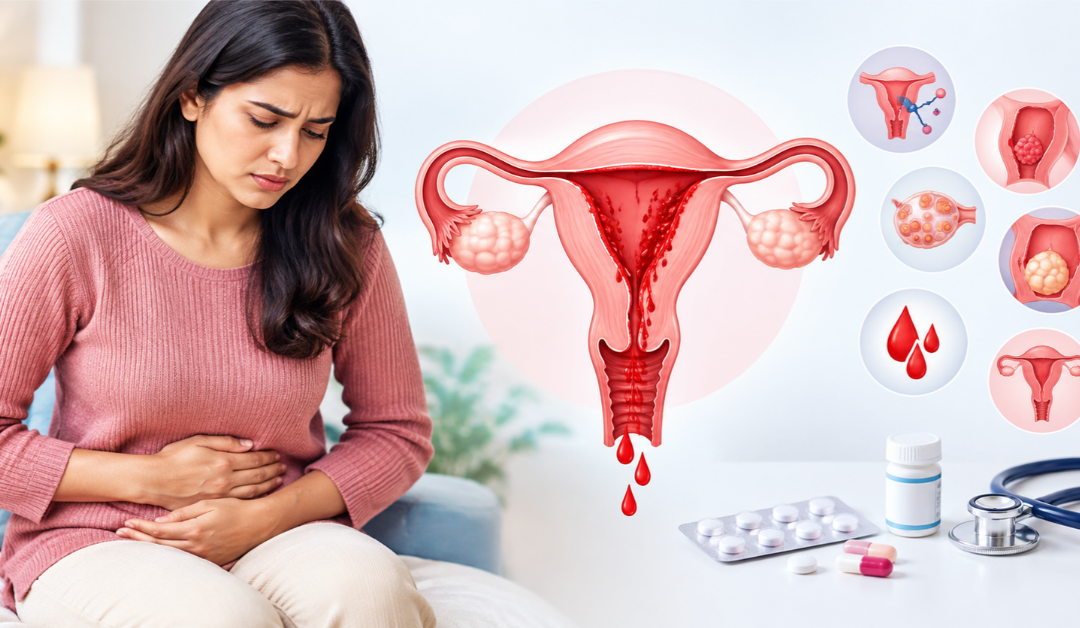
Abnormal uterine bleeding is bleeding from the uterus that is different from your usual pattern in time, amount or length. It’s one of the most common reasons women visit a gynecologist, and in most cases, it can be successfully treated.
What Does It Appear Like?
It can come in a couple of different forms: cycles that are too frequent or not frequent enough, bleeding between cycles, heavy or prolonged bleeding, spotting after intercourse, or any bleeding after menopause.
Structural Causes
Doctors often remember these by the PALM-COEIN classification. Structural issues include polyps, adenomyosis, leiomyomas (fibroids), and malignancy or hyperplasia of the uterine lining.
Non-Structural Causes
- Ovulatory dysfunction, e.g. thyroid disease or PCOS
- Endometrial causes Iatrogenic causes (e.g. drugs, IUD)
- Conditions not yet classified
Stress, rapid weight changes, and perimenopause can also throw cycles off balance.
How Is It Diagnosed?
Assessment may include a pelvic examination, pregnancy test, blood count, hormone testing, ultrasound and occasionally hysteroscopy or an endometrial biopsy, especially in women over 40 or with risk factors.
If symptoms persist, treatment for abnormal uterine bleeding Indore will help treat the underlying cause and not just controlling the bleeding for a temporary period.
Treatment Strategies
Therapy varies with the cause, your age and your plans for pregnancy:
- Hormonal therapy: combined pills, progestin, or hormonal IUD
- Non-hormonal medications: tranexamic acid or anti-inflammatory drugs
- Procedures: hysteroscopic polypectomy, myomectomy or endometrial ablation
- Hysterectomy: Reserved for patients who do not respond to other treatments
Why Timely Care Matters
Continuous bleeding can lead to anemia and at times may indicate alterations in the uterine lining that require early assessment. Refrain from self-medication with hormonal tablets.
Helpful Habits
Get to a healthy weight, manage stress, keep a menstrual diary and follow up as advised.
When to seek urgent medical help
If you are bleeding very heavily and feel dizzy or faint, go to urgent care. If you are still worried, visit a gynecologist in Indore. They can check you, run the tests needed, and recommend a treatment plan to make your cycles normal and keep your health safe.