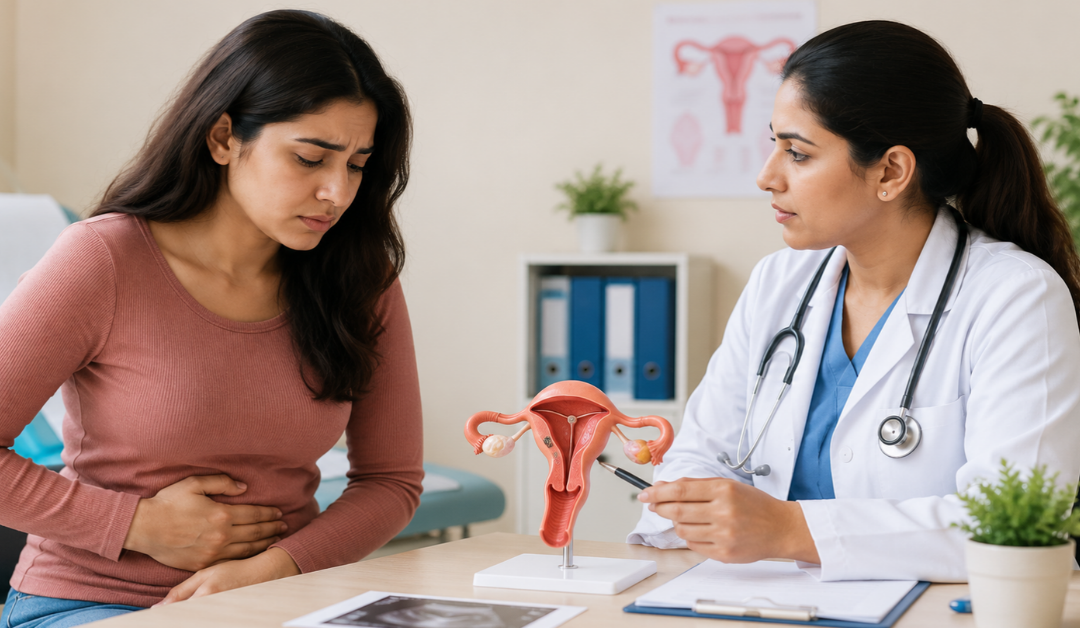
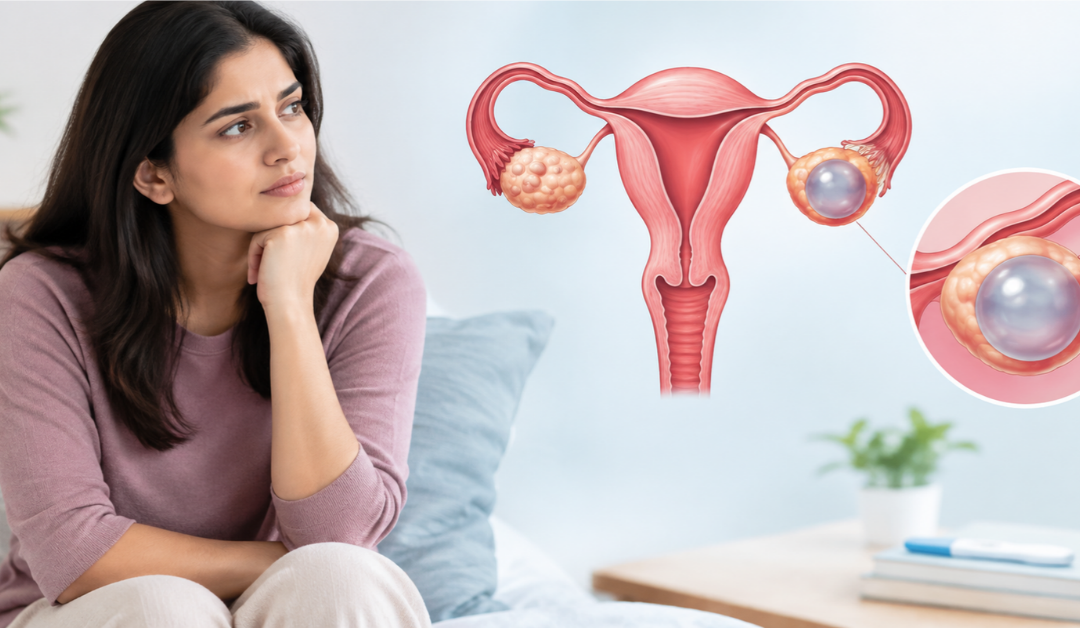
Many women think heavy periods are just their norm and live with them for years. In fact, heavy bleeding can drain your energy, throw your daily routine off course, and sometimes indicate an underlying condition.
How Much Bleeding is Too Much?
Heavy menstrual bleeding is the term doctors use for very heavy periods, or periods that last more than seven days. Common symptoms include soaking through a pad or tampon in 1 to 2 hours, passing clots larger than a coin, needing to change your protection at nite, or avoiding activities due to leakage.
Common Causes
Uterine fibroids and polyps
Hormonal imbalance, such as thyroid issues or PCOS
Adenomyosis or endometriosis
Side Effects of Copper IUD
Coagulation Disorders
Rarely, precancerous changes or cancer Health Effects
Continuous blood loss can lead to iron-deficiency anemia, which can lead to fatigue, dizziness, hair fall, pale skin, and breathlessness. Your quality of life suffers when your life revolves around your period.
When to go to the doctor
Call for an appointment if you have heavy bleeding, feel weak or lightheaded, have a sudden change in your cycle or are bleeding after menopause. If you have bad pain with heavy flow do not wait.
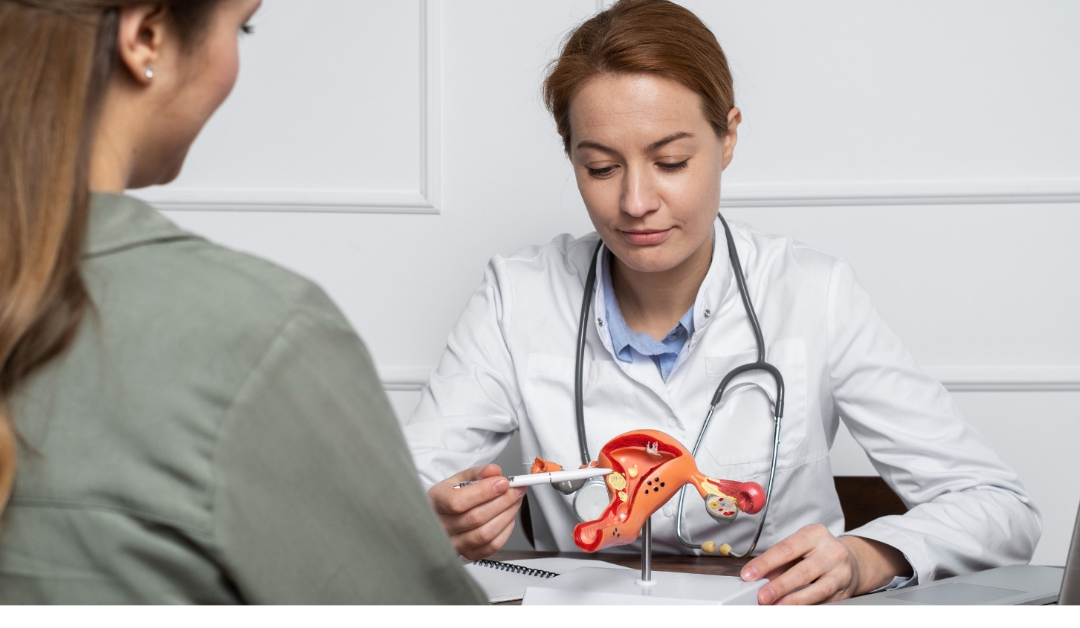
Women with heavy periods will often start with a history, examination, ultrasound and blood tests including hemoglobin and thyroid levels.
Available Treatment Options
Depending on the cause, the options include:
Iron supplements for anemia.
Tranexamic acid to slow flow
Hormone pills or a hormonal IUD
Removal of fibroids/polyps
Endometrial ablation or hysterectomy in selected cases.
What You Can Do at Home
Keep a diary of your cycle. Eat foods high in iron: leafy green vegetables, lentils, etc. Take them with foods high in vitamin C to help your body absorb them. Stay hydrated.
Do Not Normalize It
There is usually a lot of bleeding, and that’s not healthy. Early assessment prevents complications and can bring real relief. A trusted gynecologist in Indorefor heavy periods can diagnose the cause of your symptoms and recommend a treatment plan that is best suited to your age, health and future.
Knowing what recovery looks like can alleviate a lot of the stress of the days after surgery. Every woman heals in her own time. There is a general pattern that they all follow.
The First 24-48 Hours
You will wake up in the recovery room, usually with some soreness in your abdomen, bloating, or shoulder pain from the gas they pumped in during surgery. You are usually encouraged to take a little walk on that day or the next day to get the circulation going. Most women go home in one to two days.
The First Two Weeks
You may feel tired, have some light vaginal bleeding or spotting, and mild cramps. Sleep well but keep the short walks going. Follow the instructions for the prescribed painkillers and don’t lift anything heavy.
When can I go back to work is a question many women looking for laparoscopic hysterectomy recovery in Indore want answered. Most desk jobs can be resumed after two to three weeks, but this depends on your health and the surgeon’s advice.
3-6 weeks
Energy is returning steadily. You can usually do light exercise but avoid heavy activity, heavy lifting, swimming and intercourse until your surgeon says the area has healed, usually around six weeks.
Eating and Bowel Management
Eat light, fiber rich food, drink lots of water and do not strain. Constipation is common after surgery, so ask about a stool softener if necessary.
Care of Wounds
Keep the incision clean and dry. Small cuts heal quickly, but look for redness, swelling or drainage.
Recovery of the Emotions
Mood swings are normal. Some women feel relieved; others feel a sense of loss. If the ovaries are removed the woman may begin to have menopausal symptoms such as hot flushes. Talk to your doctor and family openly.
Symptoms of a Red Flag
Tell your doctor immediately if you notice:
Fever, above 100.4°F
Heavy bleeding that soaks a pad in less than an hour
Increasing or severe pain
Offensive smelling discharge
Swollen legs or difficulty breathing
Simple Healing Guidelines
Follow all instructions, attend follow-up visits, and don’t rush back into demanding tasks. The best guide to your own timeline is a personalized recovery plan based on your surgery and health that yourhysterectomy surgeon in Indore can give you.
If a hysterectomy is recommended, the next question is how it will be performed. Knowing both is helpful as the surgical approach will impact your pain, scarring, hospital stay and recovery.
How Open Hysterectomy Is Performed
The standard method involves a single large incision across the lower abdomen and direct removal of the uterus. Provides a good overview and direct access. Good for tough situations.
How is Laparoscopic Hysterectomy Done?
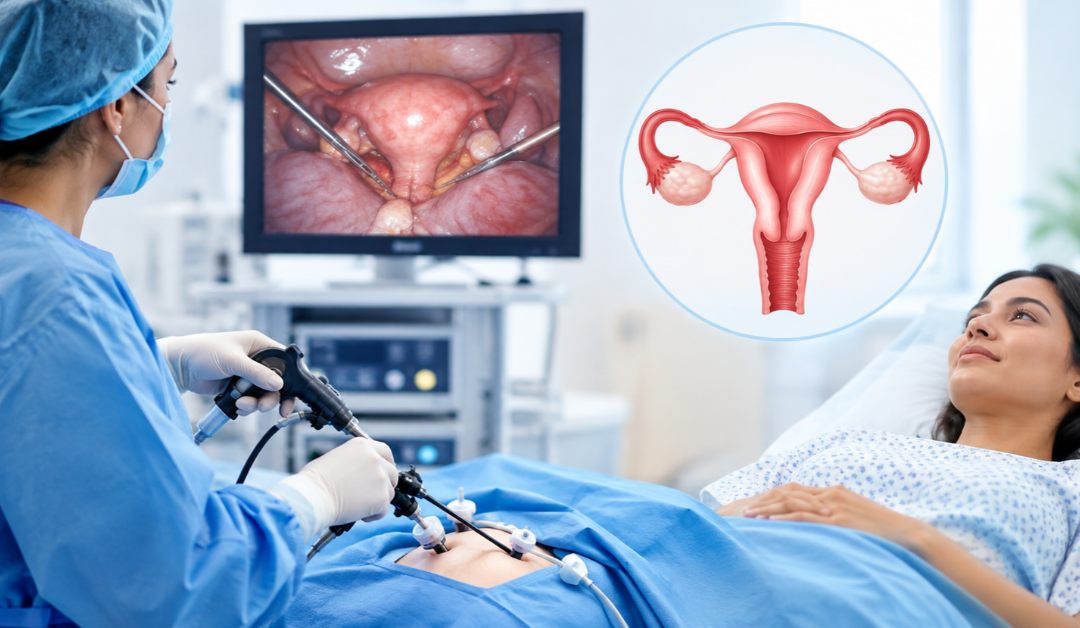
A camera is introduced, and the uterus is detached using slender instruments through a few small incisions. It is then removed in pieces or through the vagina depending on the size.
Comparison of the Two Factor Laparoscopy Open
Factor
Laparoscopic
Open
Incision
Small cuts
One large cut
Pain
Usually less
Usually more
Hospital stay
1–2 days
3–5 days
Scarring
Minimal
Visible scar
Return to routine
Faster
Slower
Infection risk
Lower
Higher
Risk of infection Lower Higher When Open Surgery Is Still Viable
Open surgery is not dead. This may be better if the uterus is very large, if cancer is suspected, if there is dense scarring from previous operations, or if unexpected complications are encountered during a keyhole attempt.
If you are a woman and are considering a hysterectomy in Indore, do not take the recommendation given to you by the surgeon at face value. Ask why a particular method is recommended for you and not a different one.
Practicality and Cost Laparoscopic surgery may cost more initially, due to the special equipment needed, but the shorter hospital stay and quicker recovery time can offset this in the long run. Know what your insurance will cover.
Both Technique and Skill Matter
The result depends more on the surgeon’s experience than on the method. A good open operation is better than a bad keyhole operation.
Questions to consider
Am I a good candidate for the laparoscopic approach?
How likely is conversion to an open procedure?
What recovery to prepare for?
Making Your Choice
There is no technique that is always better. The best option depends on your diagnosis, your anatomy, and your overall health. Through a detailed discussion with an experienced surgeon, you’ll be guided to make a confident choice and prepare well.
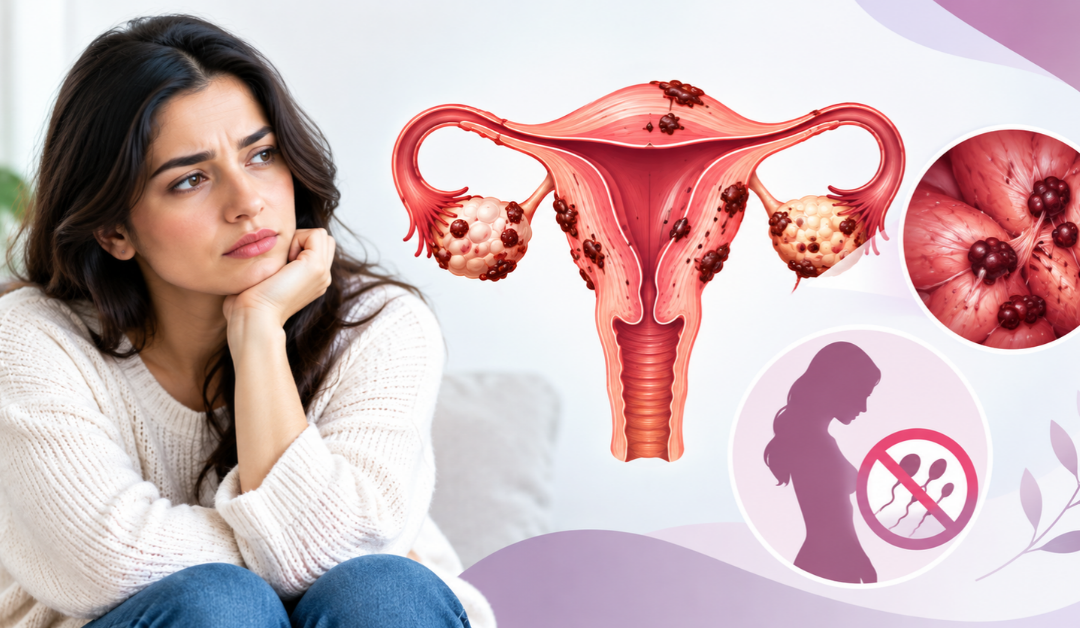
Many women with endometriosis worry about getting pregnant, and they should. The condition is related to problems conceiving but does not necessarily mean pregnancy is impossible.
How Common is the Problem?
Many women with endometriosis have trouble getting pregnant. But many do get pregnant without help. The effect varies from woman to woman, depending on how far the disease has spread and where it is located.
Ways Endometriosis Can Affect Fertility
Your Fertility Scarring and adhesions can distort the pelvis and block the fallopian tubes.
Ovarian endometriomas can reduce the number and quality of eggs.
Pelvic inflammation can interfere with the release, fertilization, and implantation of eggs.
In some women, ovulation can be disrupted by hormonal imbalance.
Important Signals
If you have painful periods, painful intercourse, and have not become pregnant after a year of trying, it is worth an evaluation. Women over 35 should be counseled at 6 months.
Assistive Tests
Pelvic ultrasound, MRI and a blood test for AMH can show ovarian reserve and show cysts. Laparoscopy is still the most direct way to see the extent of the disease.
Early endometriosis treatment in Indore means more options for you, as fertility declines with age and progression of disease.
Treatment Paths for When You Want a Baby
Hormonal medications work by stopping ovulation, so they aren’t typically used when you’re actively trying to get pregnant. Instead, doctors might recommend:
Laparoscopy can remove cysts and deposits, which can improve the chances of natural conception.
Mild disease: Ovulation induction with timed intercourse or IUI.
IVF when the tubes are damaged, the ovarian reserve is low or other methods have not worked.
Safeguarding Your Fertility
If the symptoms are serious, don’t wait. Don’t smoke, keep healthy weight, and talk about egg freezing if you are going to have surgery or have advanced disease that threatens your ovarian reserve.
The Hope is Still High
Most women with endometriosis have successful pregnancies. The secret is timely, customized guidance. A goodendometriosis specialist in Indore will go over your reports, discuss your fertility chances honestly and come up with a plan that will give you the most pain relief without losing the desire for motherhood.
Medication and pain management are often used to treat endometriosis, but for some women that is no longer enough. In these instances, keyhole surgery offers a clearer diagnosis and longer-lasting relief.
Why sometimes surgery is considered
Medications can help relieve symptoms, but cannot dissolve any deposits, cysts, or scar tissue that may already be present. Surgery is a serious option, if treatment doesn’t control the pain, if large endometriomas develop on the ovaries or if it interferes with conception. It may also be recommended if the disease is affecting the bowel, bladder, or fallopian tubes.
What is done in the procedure?
The surgeon makes several small cuts in the abdomen and puts a camera in to directly see the pelvis under general anesthesia. Visible deposits are carefully excised or treated, adhesions released and cysts removed with protection of the healthy tissue. The area is magnified by the camera, so even small lesions missed on scans can be found.
A procedure that diagnoses and treats simultaneously
Another major advantage is that the same procedure both confirms the diagnosis and treats the problem. Samples of the tissue may be sent out to be examined to confirm the findings.
If you are a woman considering laparoscopic endometriosis surgery in Indore, be sure to ask what percentage of the disease can realistically be removed and what the plan will be afterward to keep the symptoms under control.
Advantages of Open Surgery
The smaller the incision, the less pain and scarring and the shorter the hospital stay, which is usually one to two days. Most women are back to light activity in a week or two and the magnified view allows the surgeon to work more precisely around delicate organs.
Questions to Ask Yourself Before Deciding
Really, is it an operation, or can we just keep medicating?
What will this do to my fertility plans?
What is the risk for recurrence?
“What does recovery look like with my type of disease?”
Keep Moving Forward
The best surgery for endometriosis is tailored to your symptoms, age and family goals. An in-depth consultation with a skilled endometriosis surgeon in Indore can help you decide whether surgery is appropriate for you and what you can expect as an outcome.