Oct 9, 2026 | Gynecologist
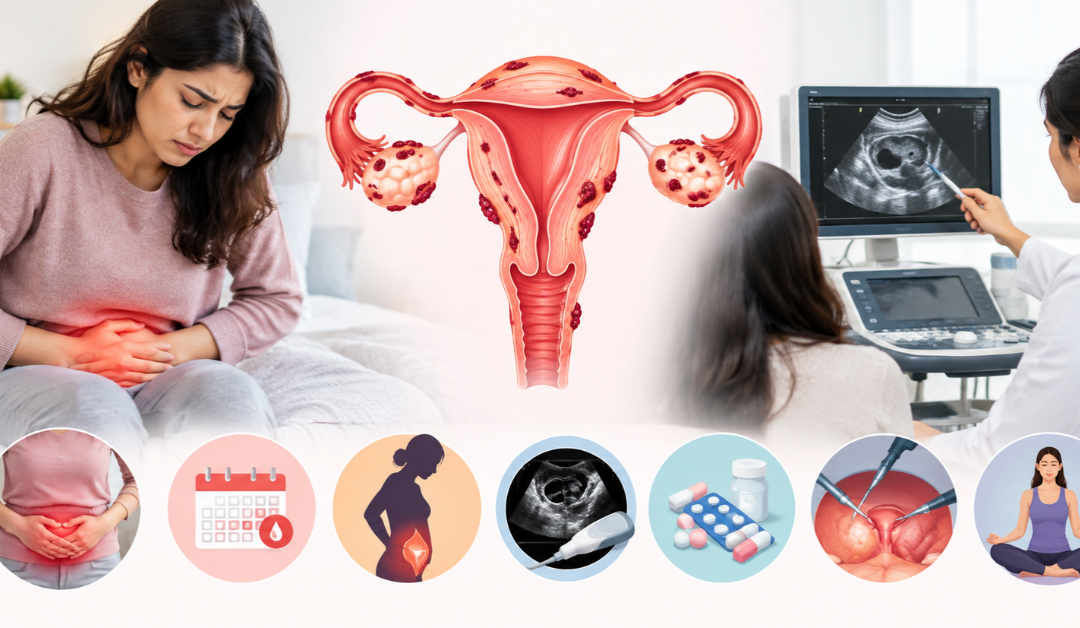
Endometriosis is when tissue like the lining of the uterus grows outside the uterus, most commonly on the ovaries, fallopian tubes, and the lining of the pelvis. This tissue reacts every month to hormones causing inflammation, scarring, and pain. It affects many women but is frequently diagnosed years late as painful periods are misdiagnosed as normal.
Common symptoms
- Severe menstrual cramps that worsen with time
- Chronic pelvic pain: pain between periods
- Pain during or after sexual intercourse
- Painful bowel movements or urination, especially during menses
- Bleeding that is heavy or irregular
The pain may be mild or severe, but this does not necessarily relate to the severity of the disease. There are women with mild endometriosis who suffer terribly, and women with extensive disease who have few symptoms.
Why does it happen?
Why this is so is not known. Theories include retrograde menstruation, immune system differences, hormonal influences and genetics. Having a relative with endometriosis increases your risk.
How is it diagnosed?
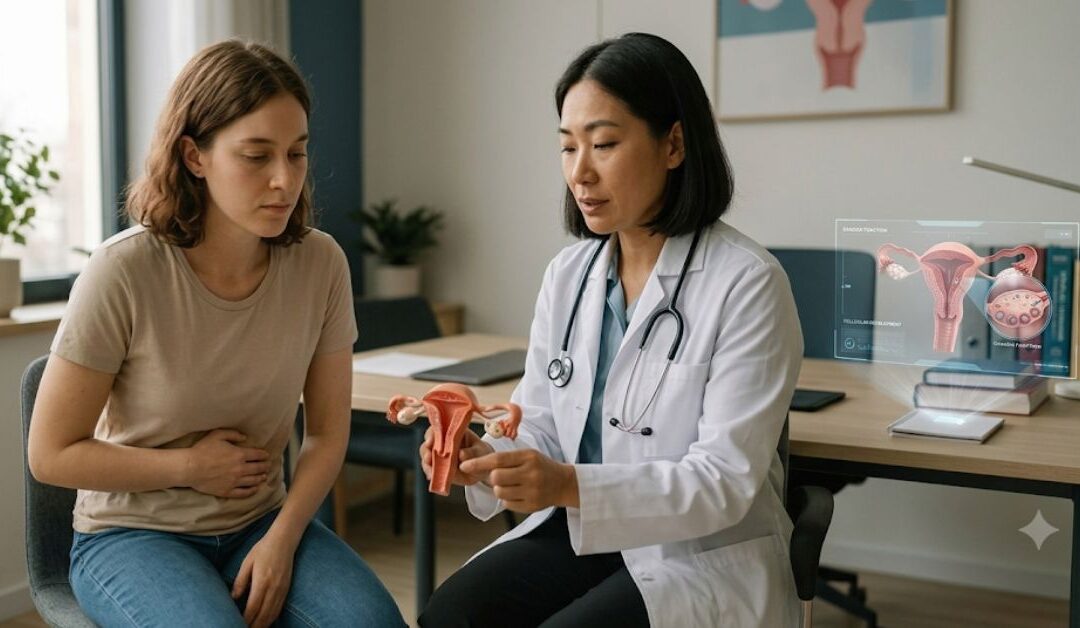
Your doctor will start with your history and a pelvic exam. Ultrasound or MRI can find cysts associated with endometriosis, but small deposits may not appear. Laparoscopy allows direct visualization of the pelvis and, if necessary, a tissue sample for confirmation.
Treatment Options
The plan will depend on symptoms, age and fertility goals so there isn’t a universally applicable answer:
- Pain relief medicines to help with cramps
- Hormone therapy to halt growth and lessen bleeding
- Laparoscopic surgery to remove deposits, cysts and scar tissue
- Fertility treatments Getting pregnant is the priority
The best long-term relief for women seeking endometriosis treatment in Indore is often achieved by combining medical management and surgery when needed.
Selfcare. Apart from medical treatment, heat packs, gentle exercise, proper sleep and balanced nutrition can relieve discomfort. Chronic pain can also take a toll on mental health, and family support, and counseling can help.
Long term outlook. Endometriosis is a chronic disease, so it is important to have regular follow up. Symptoms may come back. But with proper care, most women experience significant relief and can lead active lives.
Don’t accept debilitating pain as normal. If periods are interfering with your work, relationships or happiness, you should consult an endometriosis specialist in Indore, who can diagnose the reason, discuss all possible options openly and chalk out a treatment plan that fits your body and objectives.
Oct 7, 2026 | Gynecologist
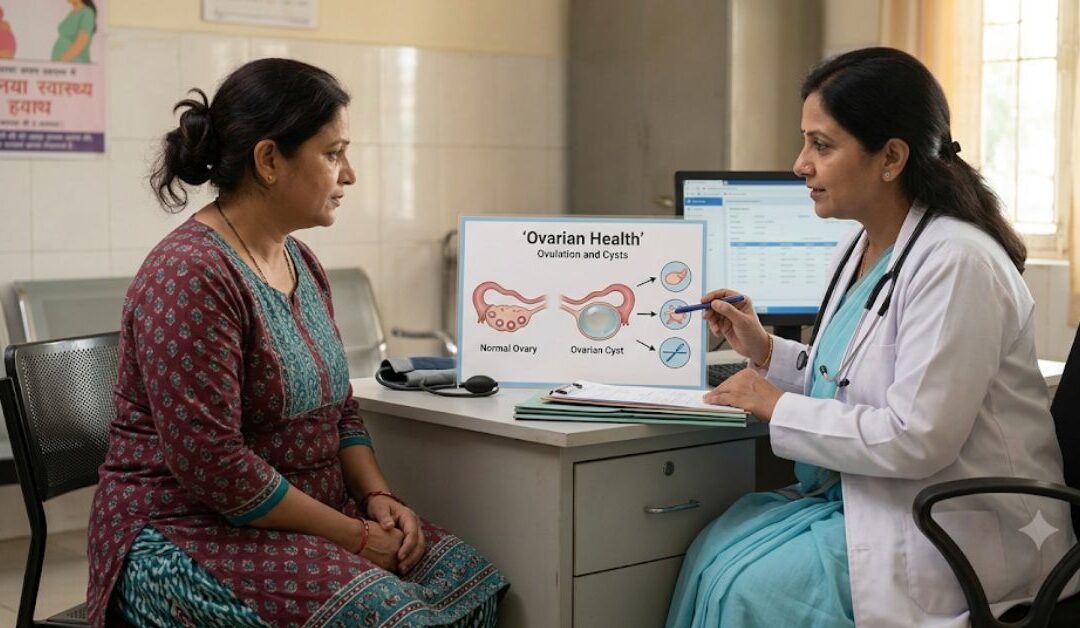
An ovarian cyst diagnosis can be a worry for many women who want to be mothers. The good news is that most cysts don’t affect fertility. However, some types can interfere with ovulation or damage ovarian tissue, so it is important to know the difference.
Harmless cysts
Functional cysts, which are a normal part of ovulation, seldom cause lasting problems. They generally go away after a few cycles and don’t reduce your chances of getting pregnant.
Cysts that may affect fertility
Endometriomas from endometriosis can affect egg quality or quantity and alter pelvic anatomy. Large cysts may press on the fallopian tubes or ovary and interfere with the release and movement of the egg. Women with PCOS often have many small follicles and irregular ovulation, which can make conception more difficult, but is usually treatable.
Can surgery reduce fertility?
This is a legitimate concern. Careful technique is essential because a cystectomy may remove a small amount of healthy ovarian tissue. Ovarian preservation is a specialty of a surgeon who can help you protect your ovarian reserve. Doctors may sometimes suggest testing fertility before surgery.
If you seek early consultation for ovarian cyst treatment in Indore, you will be able to decide whether to observe, medicate or operate keeping in mind your plans for pregnancy.
Signs to discuss with your doctor.
- Irregular or missed periods
- Painful periods or intercourse
- Difficulty conceiving after a year of trying
- Known history of Endometriosis OR PCOS
Helpful tests
An ultrasound, hormone profile and an AMH test, which estimates ovarian reserve, give a better picture of your fertility potential.
Supporting Your Fertility
Control your weight. Reduce stress. Do not smoke. Treatment for underlying hormonal disorders. If you are above 35 years of age, don’t wait for advice as timing is more important.
The bottom line.
Having a cyst doesn’t mean you can’t get pregnant. Many women with treated cysts have healthy pregnancies. “What’s important is a correct diagnosis, the right treatment and regular check-ups.”
If you are planning a family and you have a cyst diagnosis, consult a gynecologist for ovarian cyst in Indore who can combine treatment decisions with fertility guidance and design a plan that safeguards your reproductive future.
Oct 5, 2026 | Gynecologist
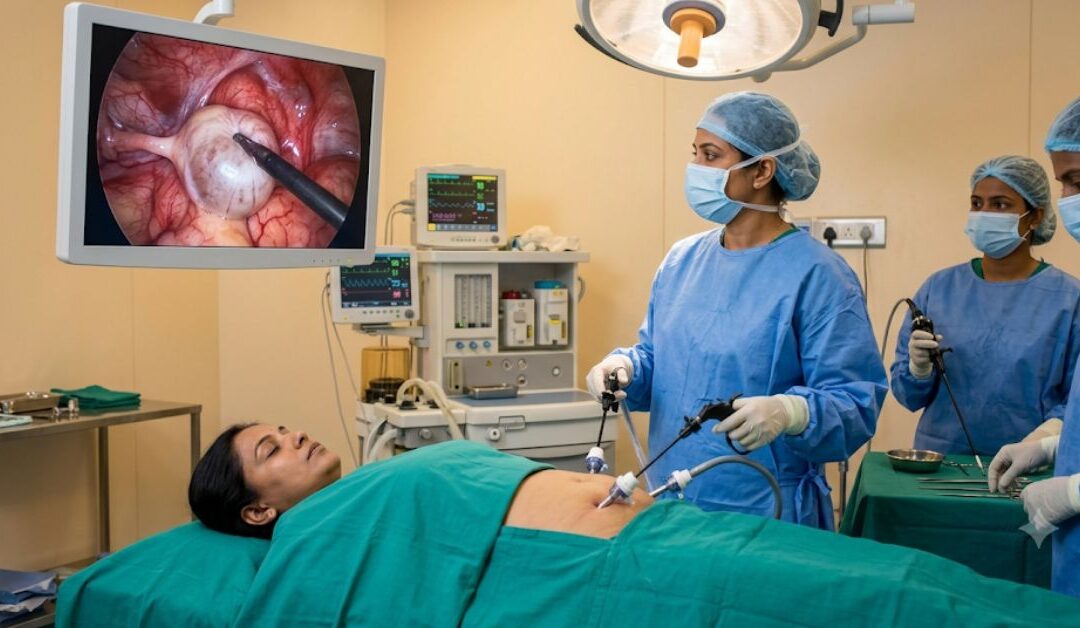
When ovarian cysts are large, cause pain, or do not go away, surgery may be the best treatment. Many of these procedures are now performed laparoscopically, which means smaller incisions, less invasive recovery, and a better chance to preserve healthy ovarian tissue.
The procedure step by step
You are given general anesthetic, so you will feel nothing during the operation. The surgeon will make two or three small incisions near the navel and lower abdomen. Gas is then slowly injected to create room to work, and a camera shows a magnified image of the pelvis. Using fine instruments, the surgeon separates the cyst from the ovary, attempting to save as much healthy tissue as possible. The cyst is then safely removed (usually in a protective bag) to prevent leakage.
Choosing laparoscopic ovarian cyst surgery in Indore gives many women the chance to avoid a large abdominal cut while still receiving a thorough and careful treatment.
Big benefits
- Reduced pain after surgery
- The hospital stay is shorter. Usually, it is a day or two
- Reduced risk of wound complications
- Faster return to normal activities
- Better preservation of ovarian function if done correctly
Timeline for recovery
It is common to have mild shoulder pain or bloating for a day or two from the gas used during surgery, and this resolves quickly. A week later, most women are back at their desks. Usually, heavy exercise and lifting are avoided for several weeks. drink plenty of water, keep walking, eat light and fibrous food and turn up for your follow-up appointment
When to see your doctor
If you develop a high fever, increase pain, heavy bleeding, redness or discharge from the wounds or persistent vomiting, please contact the hospital.
Does the cyst return?
Some types, such as endometriomas, can recur and therefore you may need long-term follow-up. The tissue that is removed is usually examined to confirm the diagnosis.
Preparing yourself
Ask about fasting, meds to stop, length of stay and costs. Inform the surgeon of any pregnancy plans, so that he/she can plan ovarian preservation.
Choose well; there is much that depends upon skill and experience. The well-known ovarian cyst surgeon in Indore will go through your scans, explain if keyhole surgery is the right option for you and will be there with you at every step to ensure you are well informed and relaxed before the procedure.
Oct 3, 2026 | Gynecologist
Hearing the word “cyst” on an ultrasound report can be frightening, but most ovarian cysts are benign. They are fluid-filled sacs that develop on or in an ovary. Many go away on their own without treatment.
Common types
Functional cysts are the most common type and develop as part of the normal cycle of the menstrual cycle. Other types include dermoid cysts, endometriomas from endometriosis, and cystadenomas. They each behave differently. That is why a good diagnosis is important.
Symptoms to watch for
There is nothing for many women. A dull ache in the lower abdomen, bloating, pain during periods or intercourse, a feeling of fullness or frequent urination are some of the symptoms. If you have severe pain suddenly, with nausea or fever, you need to see a doctor urgently, as this could be a sign of the cyst twisting or rupturing.
When is treatment needed?
Doctors usually look at a few factors:
- Size of cyst, especially if over about five centimeters
- Persistence for more than a few menstrual cycles
- Persistent pain or pressure
- Abnormal ultrasound appearance
- Menopause – new cysts require more careful examination
Small, painless functional cysts are often simply observed with a repeat scan in 6 to 8 weeks.
If your symptoms continue or the cyst keeps on growing, consulting a doctor for ovarian cyst treatment in Indore helps you understand whether medicines, monitoring or surgery is the right path. In some cases, hormonal medication can be used but does not dissolve all kinds of cysts.
Diagnosis
The main test is an ultrasound of the pelvis. If the cyst looks complex, blood tests including tumor markers in selected cases or an MRI may be recommended.
Living with an ovarian cyst
Keep a diary of your symptoms, have follow-up scans, and don’t ignore sudden changes in pain. A healthy lifestyle can help keep your hormones balanced overall, but it can’t guarantee that cysts won’t develop.
Do not panic
Most cysts are benign. Early review leads to better outcomes. But don’t self-medicate or rely solely on home remedies if symptoms continue.
If you have a cyst diagnosis or suspect, an experienced ovarian cyst specialist in Indore can interpret your reports, tell you your risk level, and recommend a plan that protects both your health and your future fertility.
Sep 29, 2026 | Gynecologist
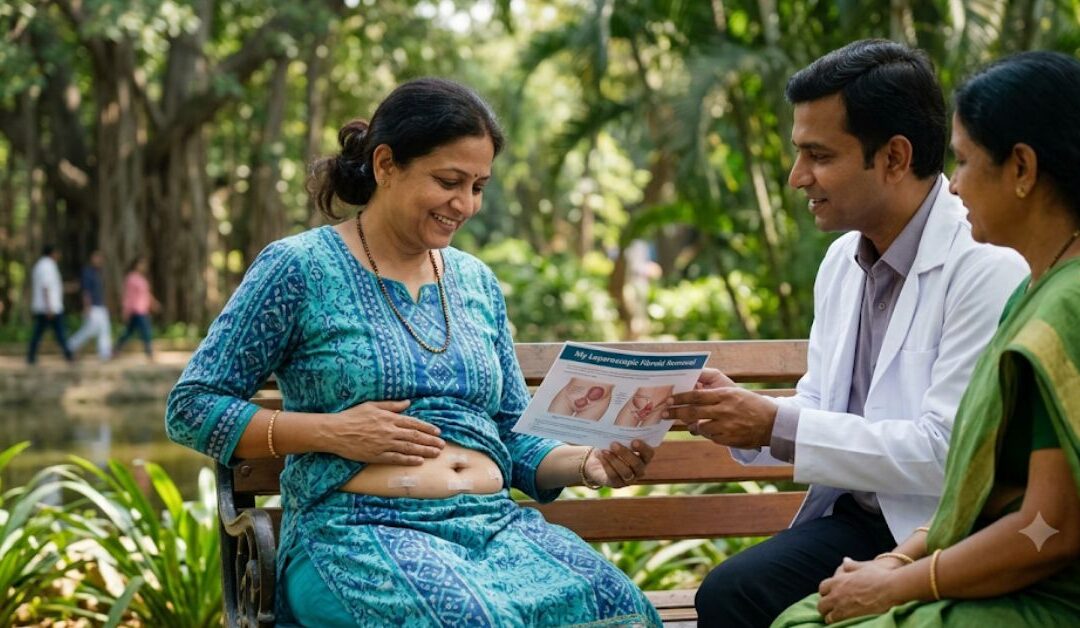
The thought of a big abdominal cut can be scary if you have been told you need fibroid surgery. The good news is that in many instances fibroids can be removed by laparoscopy, which means small cuts instead of one big incision.
What is laparoscopic surgery?
The surgeon makes a few small incisions in the abdomen, usually half a centimeter to one centimeter. A thin camera called a laparoscope is inserted, and the magnified view is displayed on a monitor. The fibroids are then removed with precision using slender instruments.
Who would be a good candidate?
How many fibroids you have, their size and location will determine the answer. Women with a reasonable number of not very large fibroids may be eligible. In some cases, large or multiple fibroids will need a different approach. Your doctor will normally review ultrasound or MRI reports before recommending the safest route.
Why do women love it?
- Smaller scars and less visible markings
- Shorter hospital stays, usually one to two days
- Faster return to normal activities
- Decreased risk of wound infection
The recovery is smoother in general compared to traditional open surgery which is a big advantage for working women and house running mothers.
If you are searching for laparoscopic fibroid surgery in Indore, ask about the surgeon experience, the equipment you have, and what the recovery timeline is for your case.
What about the risks?
As with any surgery, there is a risk of bleeding, infection, or injury to other organs. These are rare, but these are the reasons you need to choose a trained and experienced team. If complications occur, the surgeon may have to switch to open surgery. A good doctor will discuss this possibility ahead of time.
Anticipated recovery: Most women walk the same day, are up to light work within a week or two and avoid heavy lifting or strenuous exercise for about four to six weeks (depending on advice). Follow-up visits help to confirm healing
Preparing for the surgery: Give your entire medical history. Ask about any fasting directions. Explain how the procedure might affect plans for future pregnancy.
Remember, fibroids can recur, so regular follow-ups are still important. Consult a skilled fibroid surgeon in Indore who can review your reports and explain every step clearly before you decide to plan the right treatment.