Nov 10, 2026 | Gynecologist
Painful periods are often dismissed as “normal”, and many women endure them for years. Severe cramps, pain during sex or trouble getting pregnant? Together they may mean something more specific is going on. One possibility is endometriosis.
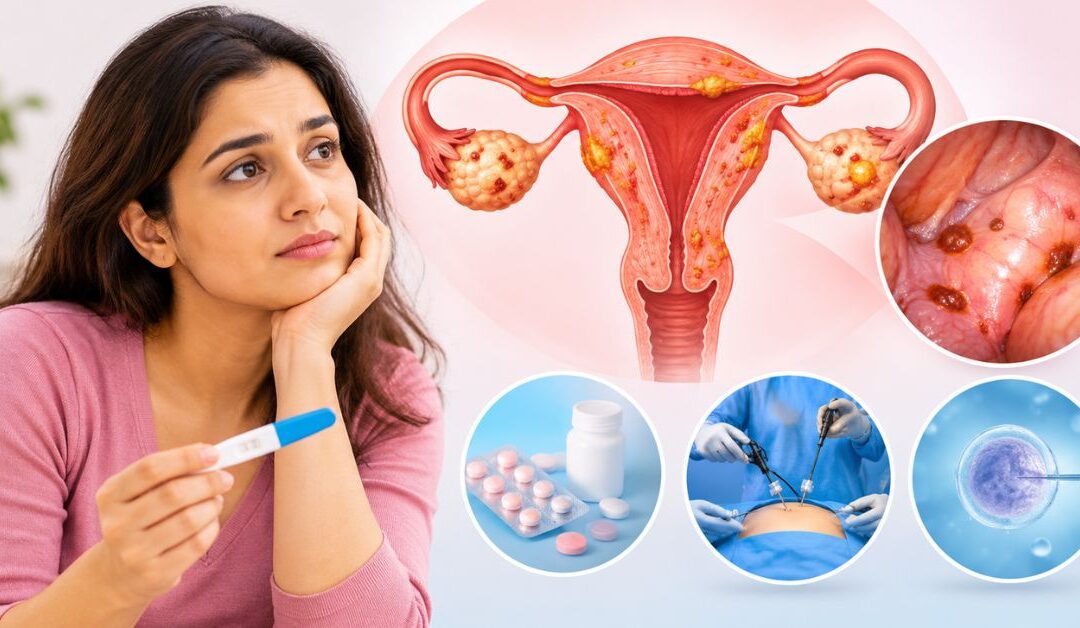
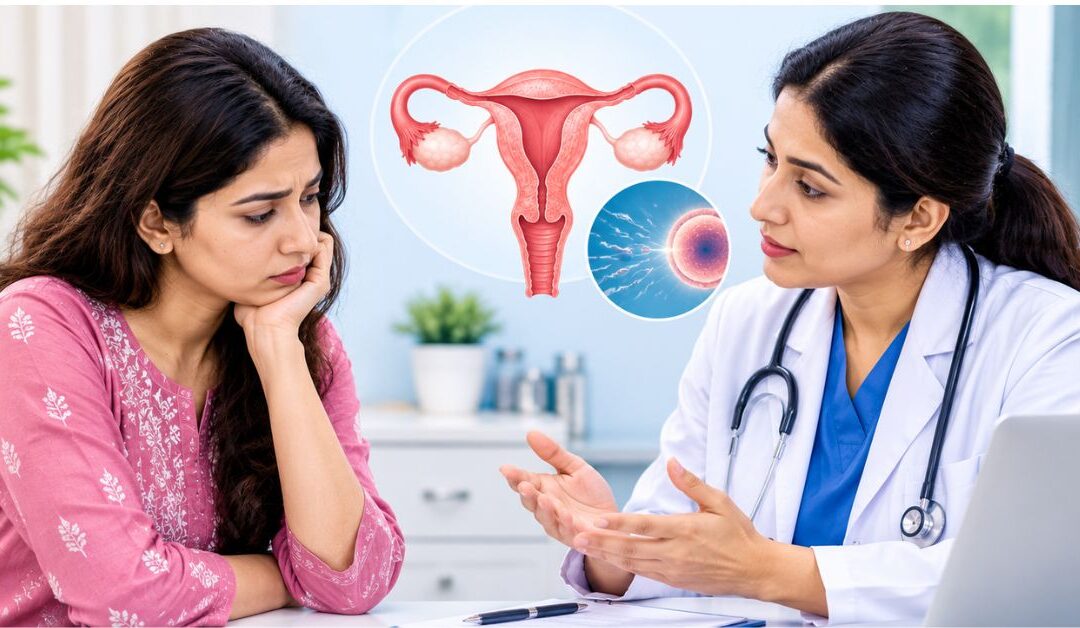
In this condition, tissue similar to the uterine lining grows outside the uterus, usually on the ovaries, tubes, and pelvic surfaces. It reacts to hormones every month and causes inflammation, scarring, and sometimes cysts. These changes can disturb the pelvic anatomy and affect the quality of the eggs and implantation, which is why it is associated with difficulty in conceiving.
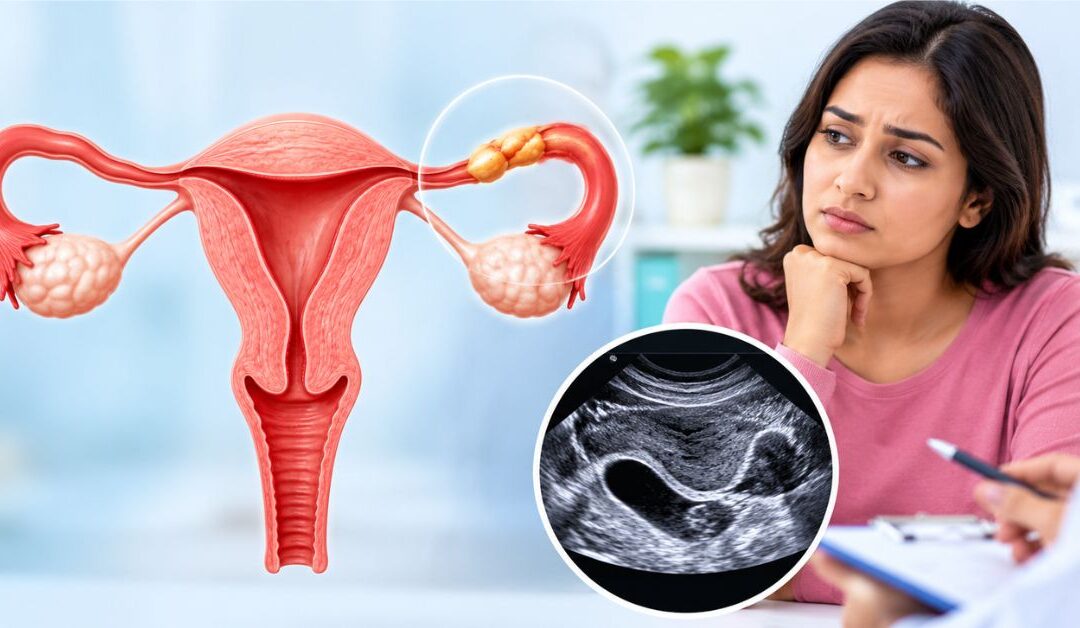
Diagnosis involves history and physical exams, followed by ultrasound or MRI. The best way to confirm the disease and stage is keyhole operation. If you are looking for endometriosis treatment Indore, the first thing to understand is that there isn’t one size fits all approach.
Hormonal medicines can reduce pain and slow the disease in women who do not intend to have children soon. But they do not help conception and are usually stopped when a woman wants to try. If you are trying to conceive, surgical removal of the deposits and cysts may be an option. This can improve natural chances in mild to moderate disease. Alternatively, assisted methods may be considered such as IUI or IVF. Large ovarian cysts need careful management, as too much surgery can affect the ovarian reserve.
A doctor for endometriosis and infertility in Indore will consider your age, symptoms, egg reserve and duration of trying before recommending a course. Some think a brief period of trying naturally after surgery is reasonable, while others think moving straight to IVF saves precious time.
Daily life can be made easier by pain management, healthy eating habits, gentle exercise, good sleep, and medical care. Support for your partner and family is also important.
“It is a long-term condition, but it can be managed.” With the right plan, many women go on to conceive and have healthy pregnancies.
Nov 8, 2026 | Gynecologist
Each month an egg will travel down a fallopian tube, meet a sperm there, and then move on to the uterus. If the tube is blocked the meeting just can’t happen. Many women don’t find out until they have been trying for months, because a blockage rarely gives obvious symptoms.
It can be caused by a number of things. Common causes include previous pelvic infection, genital tract tuberculosis, endometriosis, previous abdominal or pelvic surgery, and previous ectopic pregnancy. Sometimes one tube is affected, sometimes both, and the prognosis accordingly.
The diagnosis usually begins with a test called an HSG, where dye is run through the uterus and X-ray images are taken. There is also a sonography-based version. If the results are unclear, or the doctor wants to see the pelvis in person, a keyhole examination with a dye check may follow. Women, who are concerned about a possible blockage, often search for blocked fallopian tubes treatment in Indore after an HSG report says “non-spillage” of dye.
Treatment depends on where the blockage is and how damaged the tube is. Sometimes a gentle flush technique can clear a small blockage near the uterus. Laparoscopy can be used to release the adhesions around the tube. Doctors might suggest removing or sealing off a closed and swollen tube end, since fluid may decrease chances of IVF success if it stays in the tube. IVF is often the most practical option if the tubes are severely damaged, as it bypasses them altogether.
The fallopian tube blockage doctor in Indore you choose should be a doctor who explains these possibilities without trying to push you in one direction. The plan is influenced by age, ovarian reserve, your partner’s reports, and how long you have been trying.
One important point is that if you ever have sudden one-sided pelvic pain or irregular bleeding with a positive pregnancy test, seek medical attention immediately, as damaged tubes raise the risk of ectopic pregnancy.
Nov 6, 2026 | Gynecologist
The uterus is where a pregnancy settles and grows, yet it is often overlooked in the early stage of fertility testing. A small growth, a little scar tissue, an odd shape can be silently interfering with implantation, even when ovulation and hormones are perfectly normal.
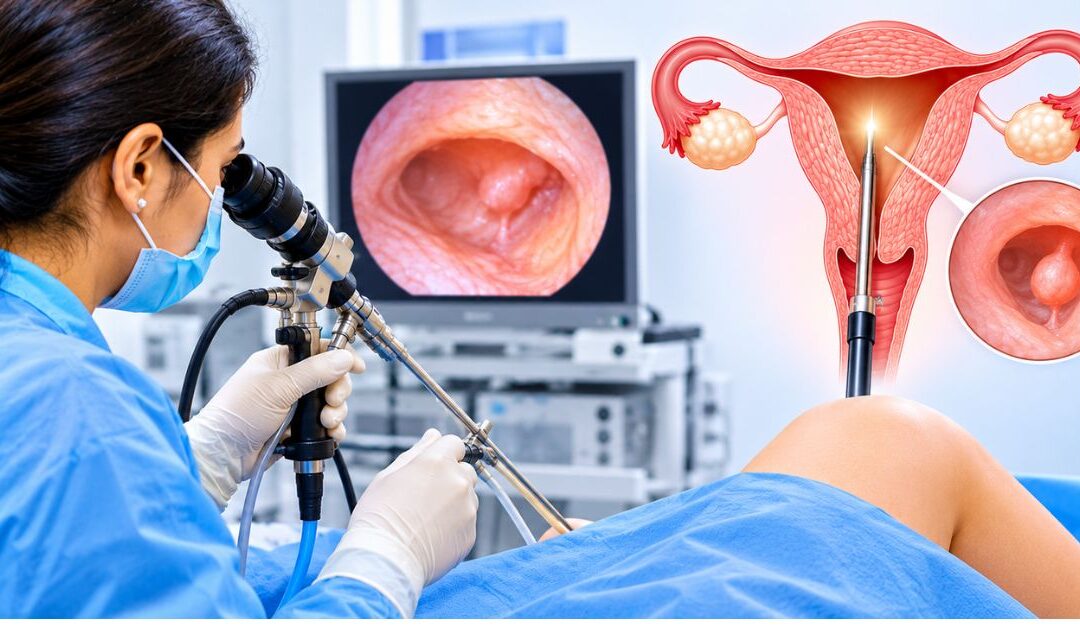
In a hysteroscopy the doctor can look directly inside the uterine cavity. A thin tube with a light and a camera is passed through the vagina and cervix, so no cuts are needed on the abdomen. The images are displayed on a monitor for a clear view in real time. Many women ask about hysteroscopy in Indore, if scans suggest unclear findings inside the womb.
So, what does it test for? The doctor examines the lining of the uterus, the shape of the cavity, and the openings of the fallopian tubes. Common findings include endometrial polyps, small fibroids pushing into the cavity, intrauterine adhesions, a septum (a wall dividing the cavity) and sometimes retained tissue after a miscarriage. Several of these can be treated at the same procedure saving the patient for a second surgery.
The test is advised when a woman has repeated failed IVF cycles, recurrent miscarriages, abnormal bleeding or a suspicious ultrasound or HSG report. Couples looking for hysteroscopy for infertility in Indore are often in this exact situation, wanting a closer look before moving to the next treatment.
Timing is usually just after a period ends when the lining is thin, and the view is best. Some patients require only light sedation or light anesthesia. It is normal to experience cramping like period pain and a little spotting for a day or two. Most women return to their normal jobs soon.
Complications are rare, but your doctor should tell you what they are and what will happen if a problem occurs. Because the procedure answers a very specific question about the uterus, it can help the team plan treatment with more confidence and take the guesswork out.
Nov 4, 2026 | Gynecologist
Not all fertility problems can be found with blood tests or ultrasounds. Sometimes everything is normal on paper and pregnancy does not happen. In these cases, doctors may want to see the pelvic organs directly, and that’s where a camera-based procedure comes in.
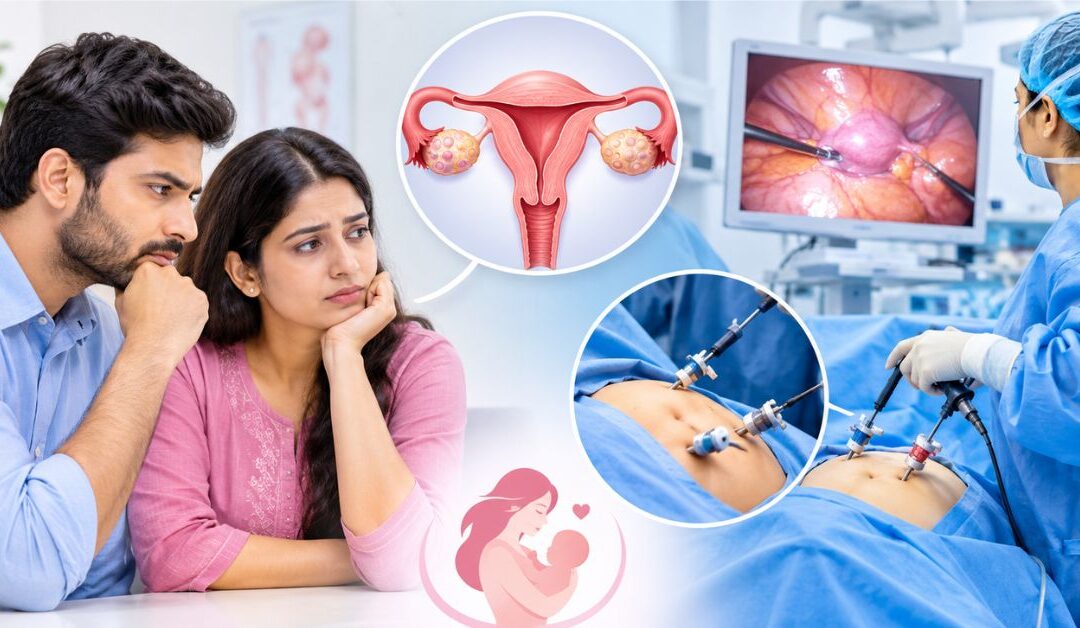
The procedure is a keyhole operation and involves passing a thin telescope through a small cut near the navel, performed under anesthesia. The surgeon views the uterus, ovaries, and fallopian tubes on a screen. A dye test is often done at the same time to see if the tubes are open. Many couples consider infertility laparoscopy in Indore after initial tests have failed to provide definite answers.
It can diagnose and it can be cured. It can spot conditions including endometriosis, pelvic adhesions, hydrosalpinx (fluid-filled tubes), fibroids, and ovarian cysts. In many cases, the problem can be fixed in the same session. Scar tissue can be released, small endometriosis lesions removed, and certain cysts or fibroids treated. Sometimes women with PCOS who don’t respond to tablets may be offered ovarian drilling.
It is not the first test for everybody. Usually, doctors start with basic tests such as hormone levels, ultrasound, and tube assessment. If there is pain, or previous tests indicate a pelvic problem, or if conception has not happened with appropriate treatment, laparoscopy becomes more important. If you are thinking about laparoscopy for infertility treatment in Indore, you should ask the surgeon what he expects to find and what will happen if a problem is discovered during the surgery.
Recovery is usually rapid. “Most women go home the same day or the next morning and are back to light activity within a few days. Mild soreness and shoulder pain from the gas are common and transient. Your doctor may suggest when it is safe to try to conceive and sometimes the months after surgery are considered a good window.
As with any surgery, there are small risks such as infection or bleeding which your surgeon should discuss before the procedure. A clear, honest consultation helps you decide whether this step truly fits your situation.
Nov 2, 2026 | Health
It can be exhausting waiting month after month for a positive pregnancy test. Many women blame themselves. Many couples quietly postpone getting help because they are not sure if their situation is “serious enough.” The truth is that timing is important and asking questions early seldom does any harm.
In general, if a woman is less than 35 years old and has had regular unprotected intercourse for one year and has not become pregnant, she should see a specialist. If you are over 35, six months is a reasonable limit. If you are known to have problems, you shouldn’t wait that long at all. If you have irregular or absent periods, very painful periods, a history of pelvic infection, previous abdominal surgery, thyroid disorders, or repeated miscarriages, book an appointment earlier. In such cases, searching for an infertility doctor in Indore is a sensible step.
The first appointment is mostly a lot of talking about. The doctor will ask about your cycles, medical history, lifestyle, and how long you have been trying to conceive. The usual next steps are a pelvic ultrasound, hormone tests, and checking the uterus and tubes. A semen analysis of your partner is also important, as in about a third of cases the cause is related to the male.
The good news for many couples is that treatment doesn’t always mean something complicated. Ovulation problems can often be corrected with drugs. Thyroid issues, PCOS, and weight fluctuations can be dealt with. If there is a blockage in the tubes or a structural problem in the uterus, a minimally invasive procedure may be suggested. Instead of rushing for costly options, a gynecologist for female infertility in Indore who explains every step, makes the journey less stressful.
Here are some everyday habits that help too: keep track of your periods, avoid smoking and excess caffeine, get enough sleep, and eat a well-rounded diet. They are not substitutes for medical care, but they do support it.
And finally, remember that infertility is a medical condition, not a personal failure. Asking for help is a responsible thing to do. The sooner you find the cause, the more options you will have.”