Nov 2, 2026 | Health
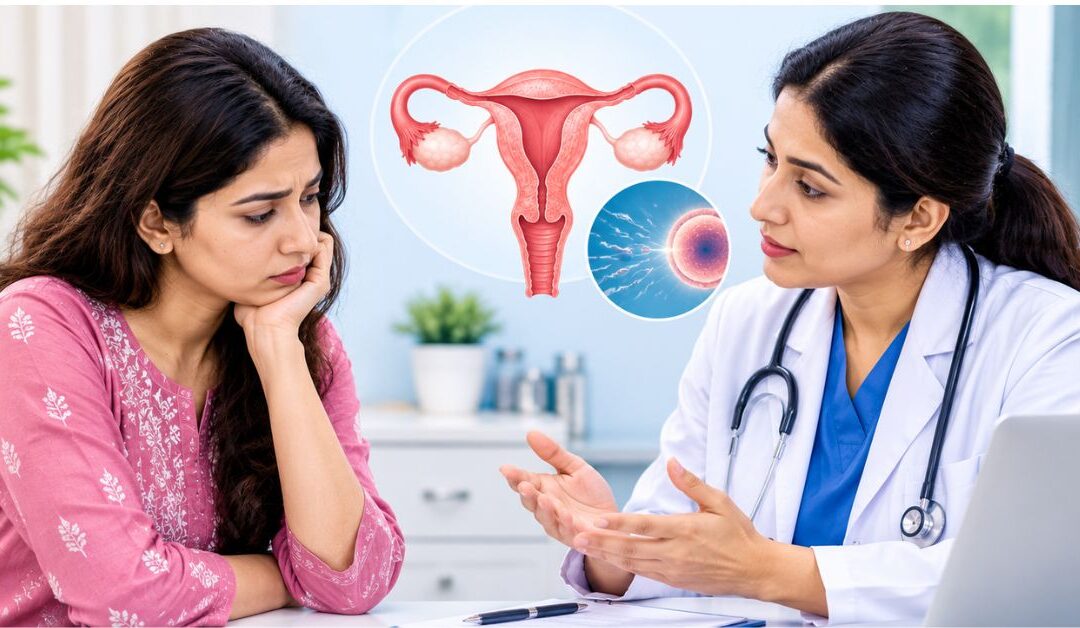
It can be exhausting waiting month after month for a positive pregnancy test. Many women blame themselves. Many couples quietly postpone getting help because they are not sure if their situation is “serious enough.” The truth is that timing is important and asking questions early seldom does any harm.
In general, if a woman is less than 35 years old and has had regular unprotected intercourse for one year and has not become pregnant, she should see a specialist. If you are over 35, six months is a reasonable limit. If you are known to have problems, you shouldn’t wait that long at all. If you have irregular or absent periods, very painful periods, a history of pelvic infection, previous abdominal surgery, thyroid disorders, or repeated miscarriages, book an appointment earlier. In such cases, searching for an infertility doctor in Indore is a sensible step.
The first appointment is mostly a lot of talking about. The doctor will ask about your cycles, medical history, lifestyle, and how long you have been trying to conceive. The usual next steps are a pelvic ultrasound, hormone tests, and checking the uterus and tubes. A semen analysis of your partner is also important, as in about a third of cases the cause is related to the male.
The good news for many couples is that treatment doesn’t always mean something complicated. Ovulation problems can often be corrected with drugs. Thyroid issues, PCOS, and weight fluctuations can be dealt with. If there is a blockage in the tubes or a structural problem in the uterus, a minimally invasive procedure may be suggested. Instead of rushing for costly options, a gynecologist for female infertility in Indore who explains every step, makes the journey less stressful.
Here are some everyday habits that help too: keep track of your periods, avoid smoking and excess caffeine, get enough sleep, and eat a well-rounded diet. They are not substitutes for medical care, but they do support it.
And finally, remember that infertility is a medical condition, not a personal failure. Asking for help is a responsible thing to do. The sooner you find the cause, the more options you will have.”
Oct 31, 2026 | Gynecologist
Hearing the word “surgery” makes most women feel uneasy. Fibroids, ovarian cysts, heavy periods and longstanding pelvic pain are common problems, and sometimes the tablets just aren’t enough. When surgery is the next step, the technique used is nearly as important as the diagnosis itself.
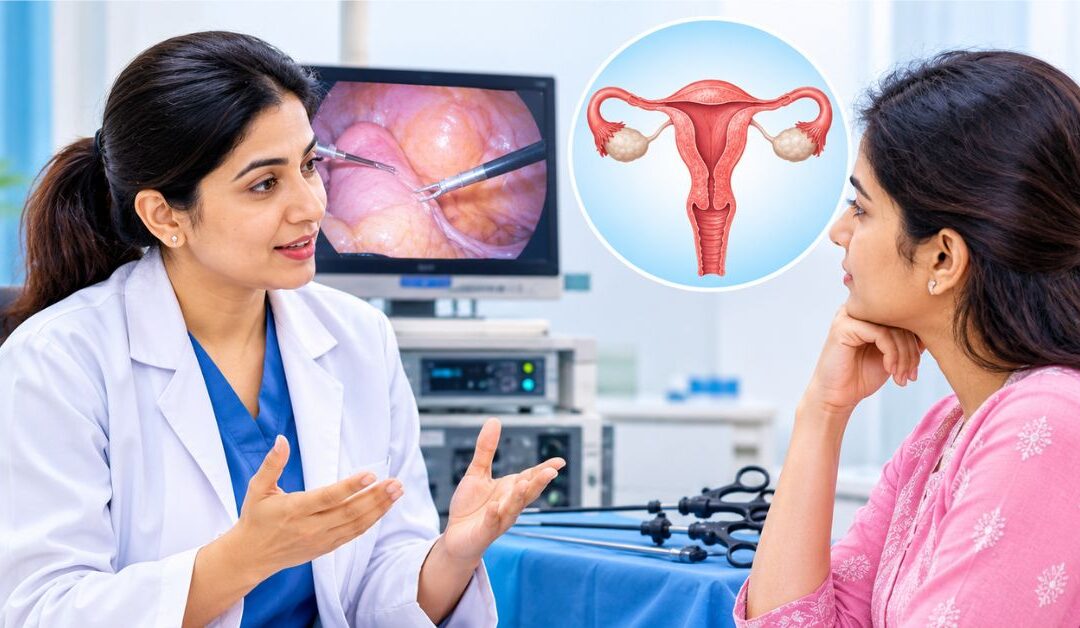
Laparoscopy is also known as keyhole surgery. The surgeon makes a few very small incisions, usually half a centimeter to one centimeter long, and inserts a thin camera and delicate instruments through these incisions. This generally means less pain, smaller scars, a shorter hospital stay, and a quicker return to daily routine than with a traditional open operation. When a scan report shows a cyst, fibroid, or adhesions, many patients start looking for a laparoscopic gynecologist in Indore.
This is a good approach to discuss in a number of situations. They include ovarian cysts that keep growing, fibroids that cause heavy bleeding, endometriosis, a tubal pregnancy, scar tissue from previous surgery, and pelvic pain that tests can’t explain. Also used to look inside the pelvis when a couple has been trying to conceive without success. In selected cases even removal of uterus can be done in this way.
That said, not every problem requires an operation. Some cysts go away on their own and some fibroids just need to be monitored. A good doctor will tell you straight if waiting or medication is the best way to go.
If surgery is advised, ask some practical questions. How many similar surgeries has the surgeon performed? What else is there to do? Is it possible that the surgery will have to be converted to an open surgery and under what conditions? 4. You will be far more comfortable if you pick a gynecologist for laparoscopy in Indore who answers these clearly and works in a hospital with good anesthesia and emergency backup.
Preparation is usually simple – a few blood tests, an ultrasound and fasting for a few hours before the procedure. Most women go home in a day or two and are encouraged to get out for a walk early on. Some shoulder discomfort from the gas used to inflate you during surgery is normal and resolves quickly.
Whatever you choose, don’t put off a consultation if symptoms are impacting your life. An early discussion often facilitates treatment.
Oct 29, 2026 | Gynecologist
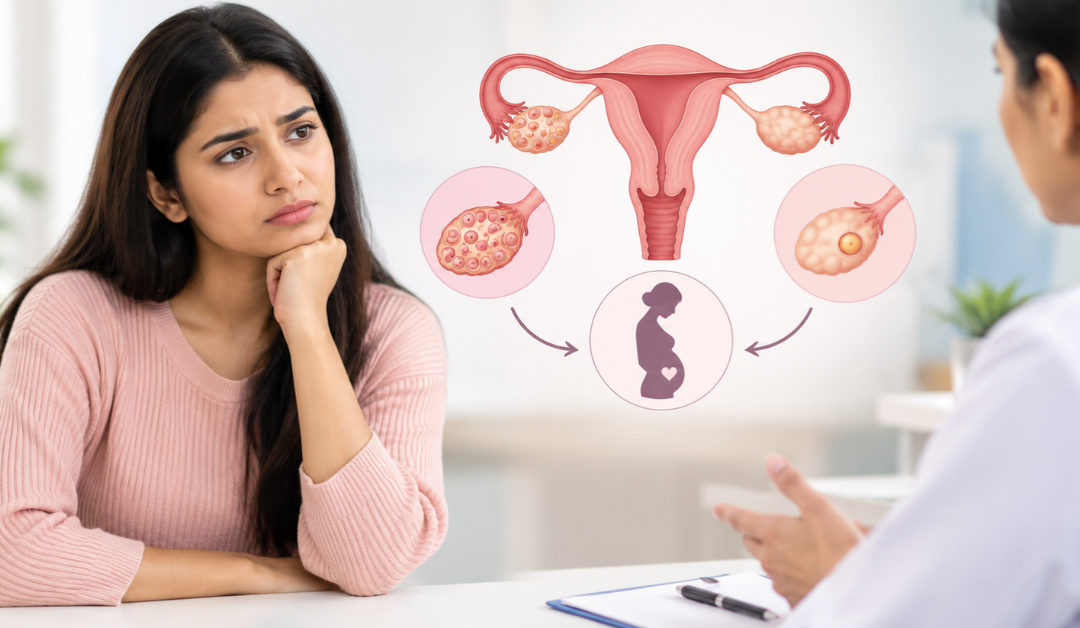
Polycystic Ovary Syndrome (PCOS) is a common hormonal disorder affecting a woman’s menstrual cycle, ovulation and fertility. Women with PCOS may experience irregular periods, acne, extra facial hair or weight changes. But the symptoms and their severity vary from person to person. Proper medical guidance can help many women with PCOS to get pregnant.
How PCOS Affects Fertility?
With PCOS, the ovaries don’t regularly release an egg. This is ovulation, which is necessary for natural conception. If you have irregular ovulation or no ovulation at all, it’s hard to predict your fertile days and you may take longer to get pregnant.
Hormonal imbalances and changes in insulin levels are also thought to cause symptoms of PCOS. But not all women with PCOS have trouble trying to get pregnant and it does not mean that pregnancy is impossible.
When should you see a gynecologist?
If you have missed periods, irregular periods, or have trouble getting pregnant, you might want to consider seeing a gynecologist. This may include menstrual history, blood tests and ultrasound examination when appropriate. These tests help find hormonal problems and decide on treatment.
Instead of self-medicating or using unproven fertility supplements, women trying to become pregnant should discuss their reproductive goals with their doctor.
Treatment for PCOS and Fertility Help
Treatment for PCOS depends on the woman’s symptoms and her desire to become pregnant at this time. Lifestyle modifications including healthy eating, regular physical activity, and weight management if appropriate may help support hormonal and metabolic health.
If you want to get pregnant, a doctor may suggest ovulation-inducing medicine or other fertility treatments, depending on the evaluation. Individualization of all treatment.
Women looking for pcos treatment in Indore can visit a trained gynecologist for assessment and personalized treatment plan. A gynecologist Indore can also help to investigate other possible causes of irregular periods or difficulty conceiving.
In selected cases additional investigation or surgery may be considered. PCOS is not an indication for laparoscopy, but if some other surgical indication is found then a laparoscopic surgeon in Indore can be consulted.
PCOS can affect fertility, mainly by causing irregular ovulation, but many women with PCOS are able to become pregnant with the right treatment. Early diagnosis, accurate diagnosis and a tailored treatment plan can help women make informed choices regarding their reproductive health.
Oct 28, 2026 | breast cancer
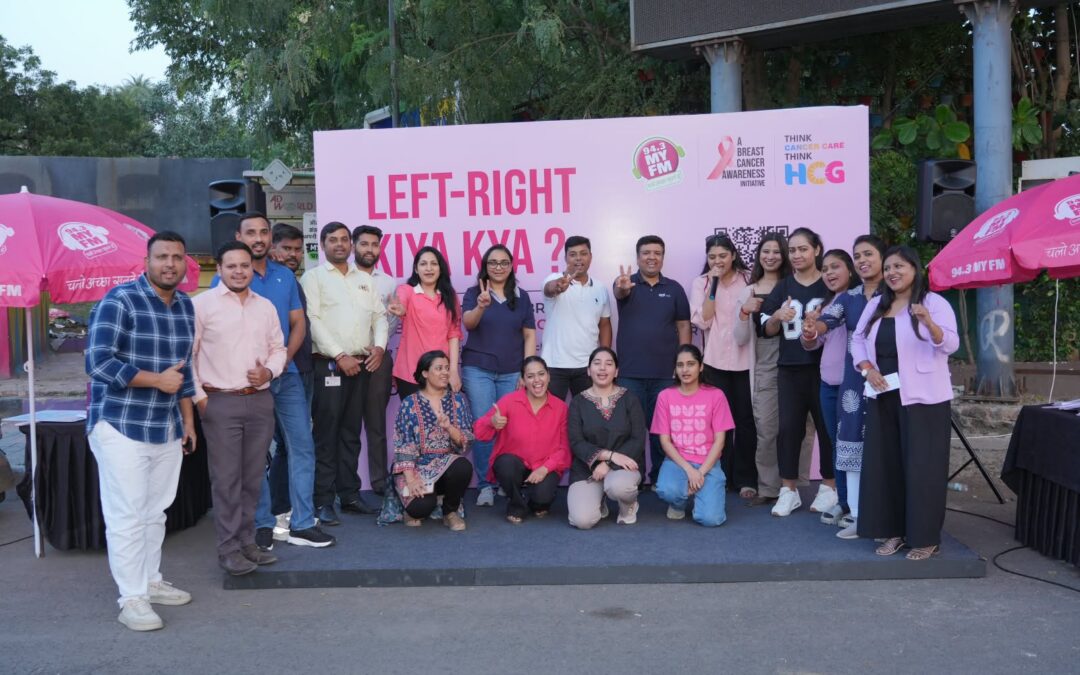
एचसीजी कैंसर सेंटर की ब्रेस्ट कैंसर अवेयरनेस पहल
घर की जिम्मेदारियाँ, ऑफिस का काम, परिवार की देखभाल — इन सबके बीच हम महिलाएँ अक्सर सब कुछ याद रखती हैं। लेकिन क्या आपको अपनी सेहत याद है?
आज हम आपसे एक सीधा-सा सवाल पूछ रहे हैं: “लेफ्ट-राइट, चेक किया क्या?”
ब्रेस्ट कैंसर अवेयरनेस का असली मतलब क्या है?
ब्रेस्ट कैंसर अवेयरनेस का मतलब सिर्फ जानकारी रखना नहीं है। इसका मतलब है:
- अपने शरीर में होने वाले बदलावों को पहचानना
- कुछ भी असामान्य लगे तो समय पर डॉक्टर की सलाह लेना
अपने शरीर को सबसे अच्छी तरह आप ही जानती हैं। इसलिए किसी भी बदलाव को सबसे पहले आप ही नोटिस कर सकती हैं।
हर गाँठ कैंसर नहीं होती, लेकिन जाँच जरूरी है
यह बात याद रखना बेहद जरूरी है: हर गाँठ कैंसर की नहीं होती। लेकिन हर नए या संदिग्ध बदलाव की जाँच जरूर होनी चाहिए। डर कर टालने से बेहतर है कि समय पर जाँच करवाकर निश्चिंत हो जाएँ।
इसीलिए अपनी बॉडी के सामान्य रूप को समझना पहला कदम है। जब आपको पता होगा कि “नॉर्मल” क्या है, तभी आप किसी भी बदलाव को तुरंत पहचान पाएँगी।
अर्ली डिटेक्शन क्यों है सबसे अहम?
बीमारी का जल्दी पता चलने पर इलाज के विकल्प ज्यादा होते हैं और नतीजे बेहतर हो सकते हैं। यही वजह है कि अर्ली डिटेक्शन को ब्रेस्ट कैंसर की लड़ाई में सबसे मजबूत हथियार माना जाता है।
सिर्फ सेल्फ-चेकअप पर निर्भर न रहें
सेल्फ-एग्जामिनेशन एक अच्छी आदत है, लेकिन यह अकेला काफी नहीं है। अपनी उम्र और रिस्क फैक्टर्स के अनुसार:
- डॉक्टर से क्लिनिकल एग्जामिनेशन करवाएँ
- डॉक्टर की सलाह से मैमोग्राफी करवाएँ
आपके लिए कब और कितनी बार स्क्रीनिंग सही रहेगी, यह तय करने में आपका डॉक्टर आपकी मदद करेगा।
आज ही उठाइए पहला कदम
अपनी सेहत को प्राथमिकता देना स्वार्थ नहीं है — यह अपने परिवार के प्रति भी आपकी जिम्मेदारी है। आज ही:
- अपने आप से पूछिए: क्या मैंने खुद को चेक किया?
- अपनों से पूछिए: क्या उन्होंने अपनी जाँच करवाई?
- कोई भी बदलाव दिखे तो बिना देर किए डॉक्टर से मिलिए
- अपनी उम्र और रिस्क के अनुसार स्क्रीनिंग के बारे में डॉक्टर से बात कीजिए
एचसीजी कैंसर सेंटर आपको याद दिलाता है कि जागरूकता, समय पर स्क्रीनिंग और शुरुआती मेडिकल सलाह — यही तीनों मिलकर फर्क पैदा करते हैं।
तो आज ही अपनी ब्रेस्ट हेल्थ के लिए कदम उठाइए। और हाँ, लेफ्ट-राइट करना न भूलिए!
डिस्क्लेमर: यह लेख केवल जागरूकता के उद्देश्य से है और चिकित्सकीय सलाह का विकल्प नहीं है। किसी भी चिंता की स्थिति में अपने डॉक्टर से परामर्श करें।
Oct 27, 2026 | pcod treatment
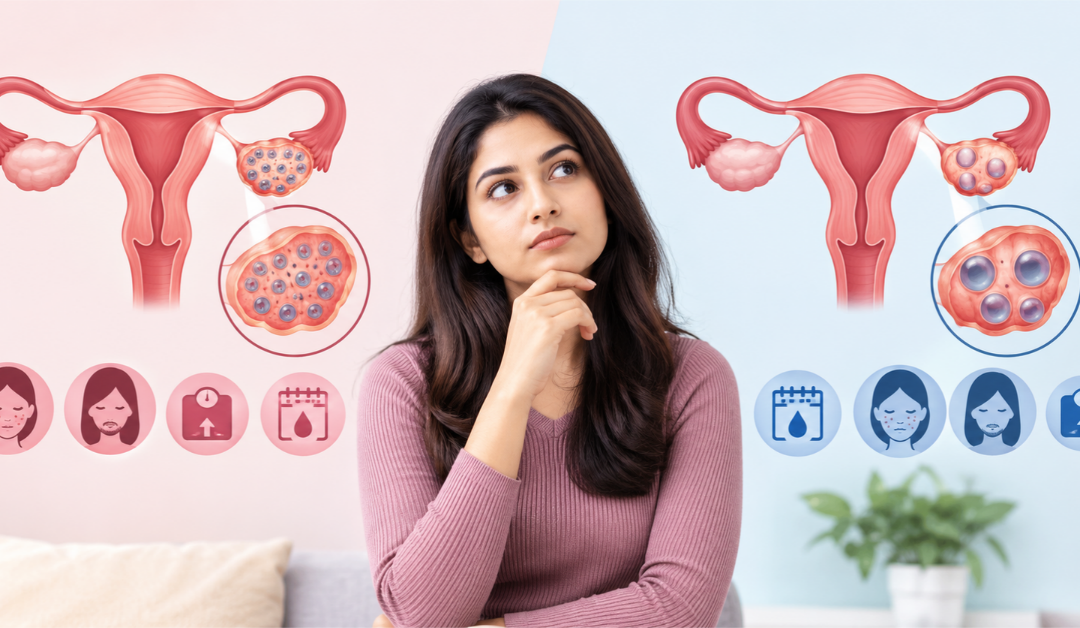
PCOS and PCOD are often used interchangeably but they are not the same. Knowing the differences can help you understand your diagnosis and treatment better.
What is a PCOD?
Polycystic ovarian disease is a condition in which the ovaries release a lot of immature or partially mature eggs which can form cysts. Very common, usually linked to hormonal imbalance, often controllable with lifestyle changes. Fertility is generally less impacted.
What is Polycystic Ovary Syndrome (PCOS)?
Polycystic ovary syndrome is a more complex metabolic and hormonal disorder. It is characterized by high levels of androgens (male hormones), irregular or absent ovulation and frequently insulin resistance. It can affect several systems and is more closely linked to long-term health risks, such as diabetes and heart disease.
The main differences PCOD is common
- PCOS is less common but more serious.
- PCOD is a mild form and can be reversed by lifestyle changes whereas PCOS requires long-term management.
- Pregnancy is usually easier with PCOD; PCOS might need medical help.
Typical Symptoms
Both can lead to irregular periods, weight gain, acne, extra hair on the face or body, thinning hair on the scalp, dark patches of skin, and mood changes.
Diagnosis of disease
The doctor may do ultrasounds, hormone tests, blood sugar and insulin levels, and thyroid tests. Diagnosis usually involves at least two of three things: irregular ovulation, signs of excess androgens and polycystic-appearing ovaries.
Women looking for PCOS treatment in Indore can anticipate a treatment plan which will take care of cycle regulation, skin and hair issues, weight and metabolic health under one roof.
Treatment Choices
- Lifestyle changes: Healthy diet, regular physical activity, and even modest weight loss
- Hormonal pills: Control cycles, decrease effects of androgens
- Metformin: Helps for insulin resistance
- Anti-androgens: Decrease hair growth and acne
- Fertility drugs: When you’re trying to conceive
Helpful Daily Habits
Choose whole grains, protein and veggies, limit sugary foods, sleep well, and manage stress. Even a half hour walks most days make a difference.
Don’t Overlook It.
If left unmanaged, these conditions can affect health in the long run. A qualified PCOS specialist in Indore can confirm which condition you have, clearly explain your risks, and create a personalized program that supports your hormones, your appearance and your long-term health.